
Last updated September 10, 2026
Level 1 sweep and inspection to the NFPA 211 annual standard - flue, crown, cap, and flashing checked and photographed
Chimney sweep logs do not sweep chimneys. They loosen some creosote - which then falls where a brush and vacuum still have to collect it.
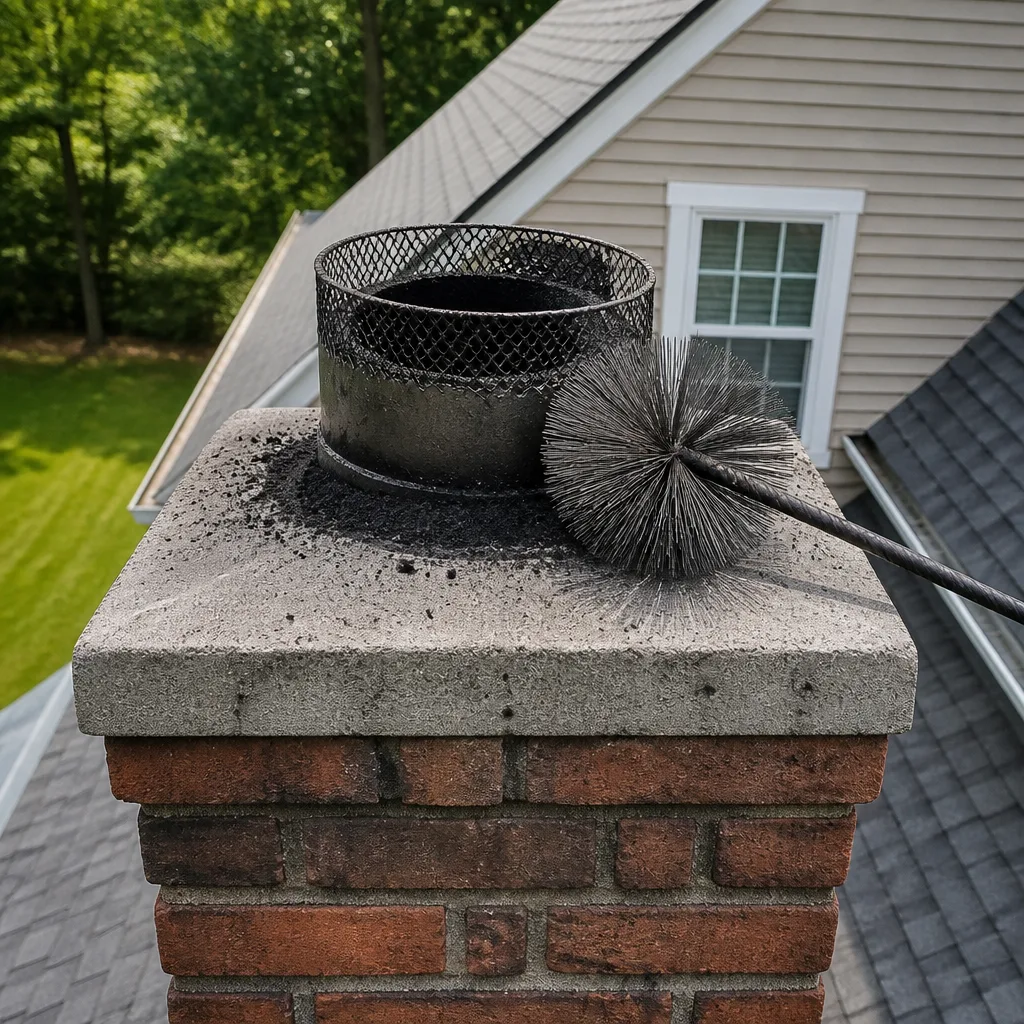
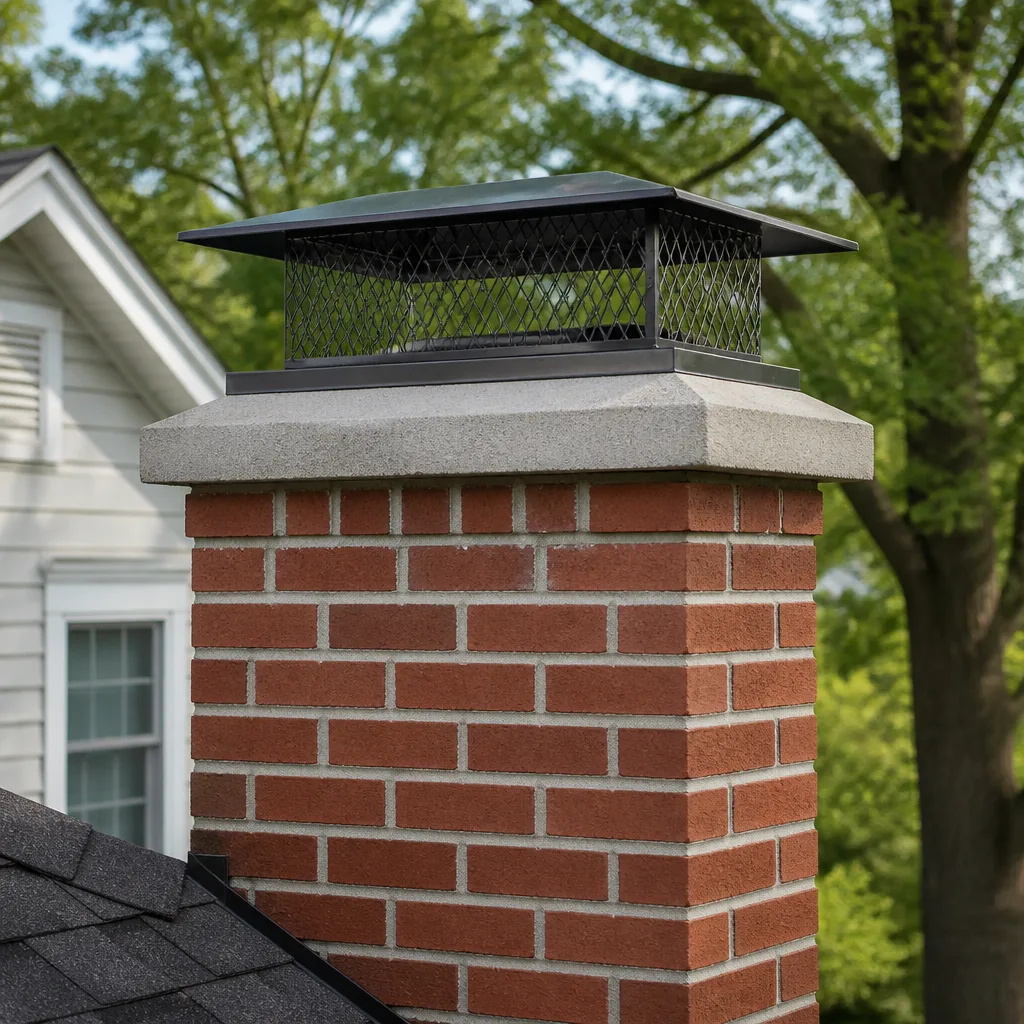
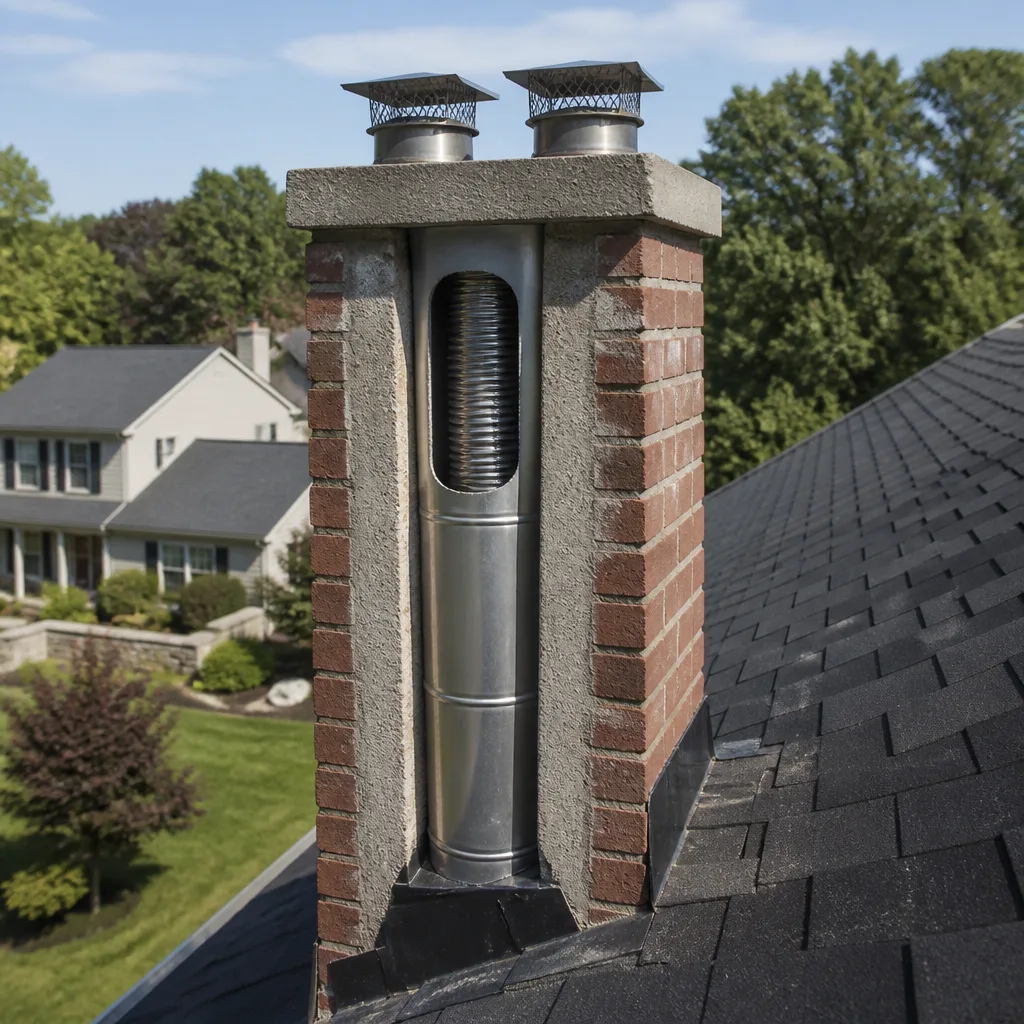
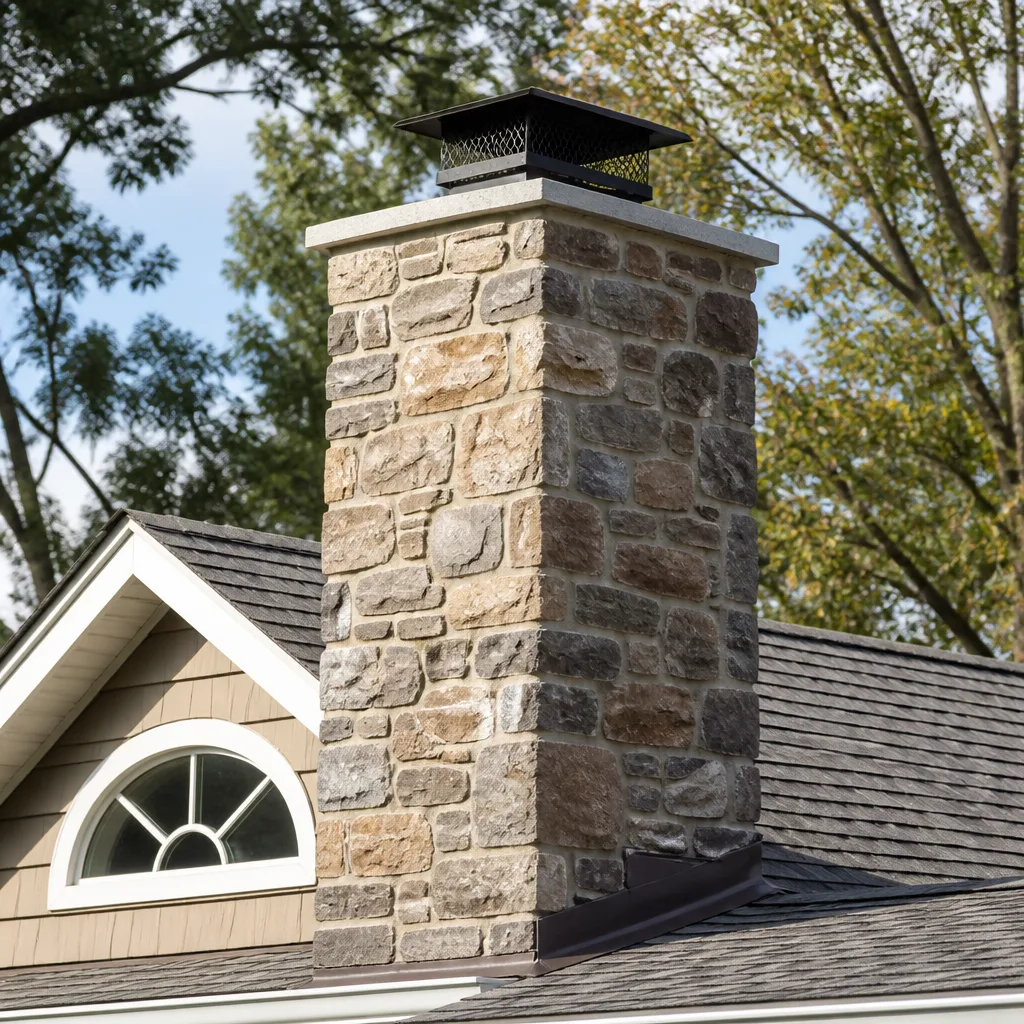
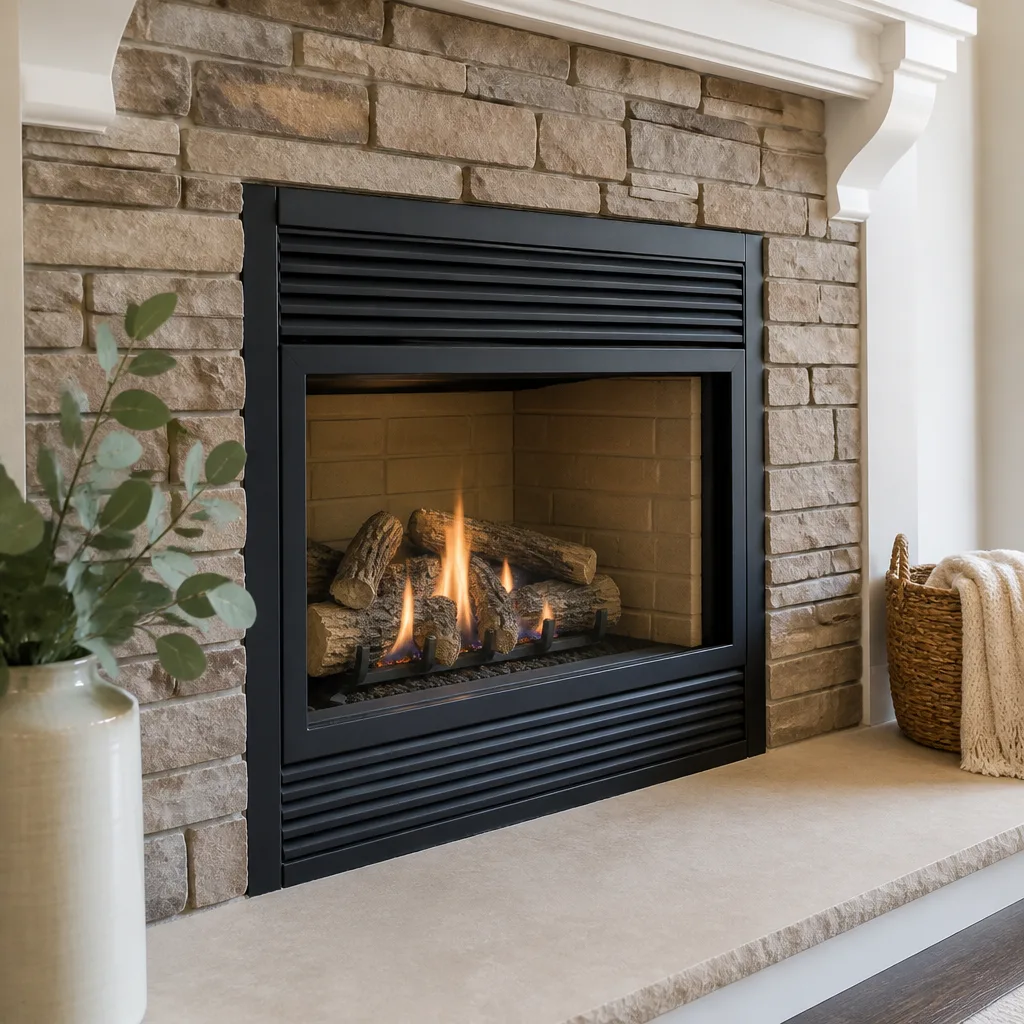
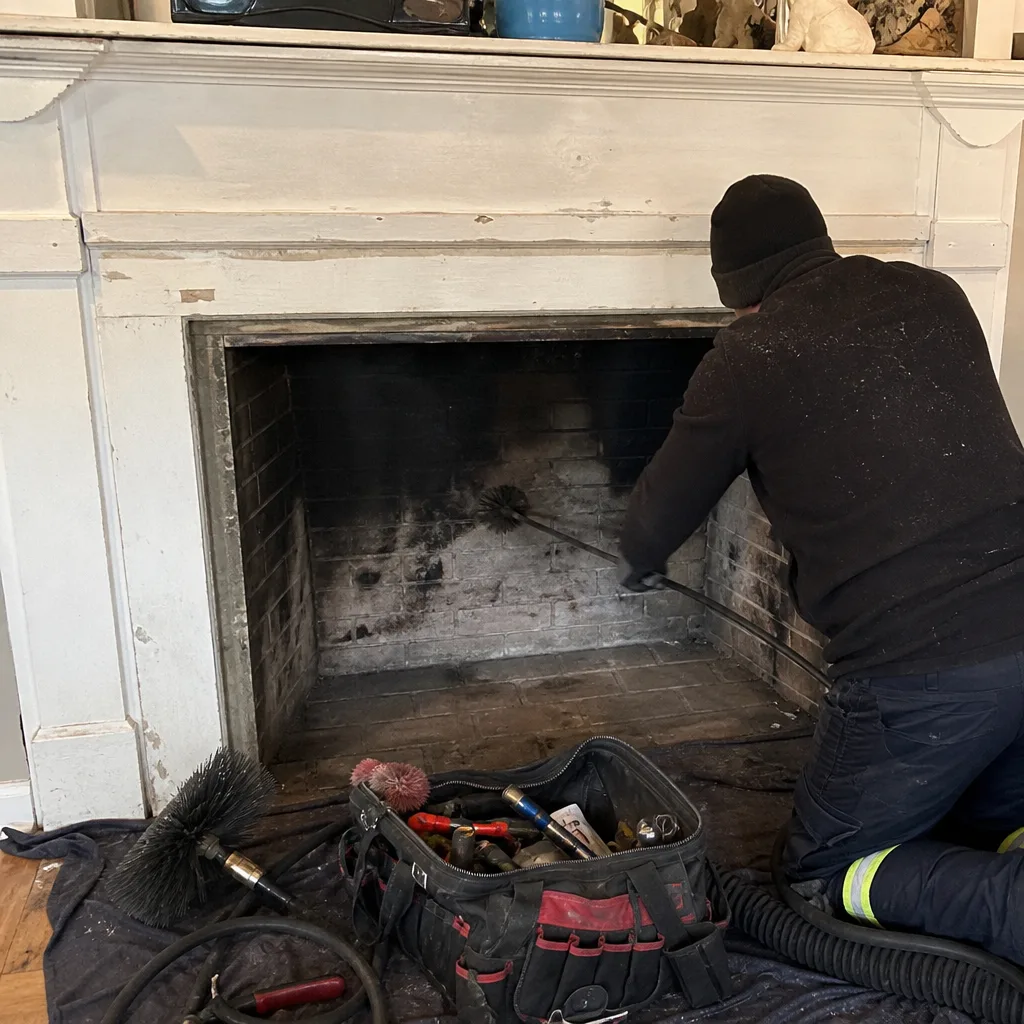 Before
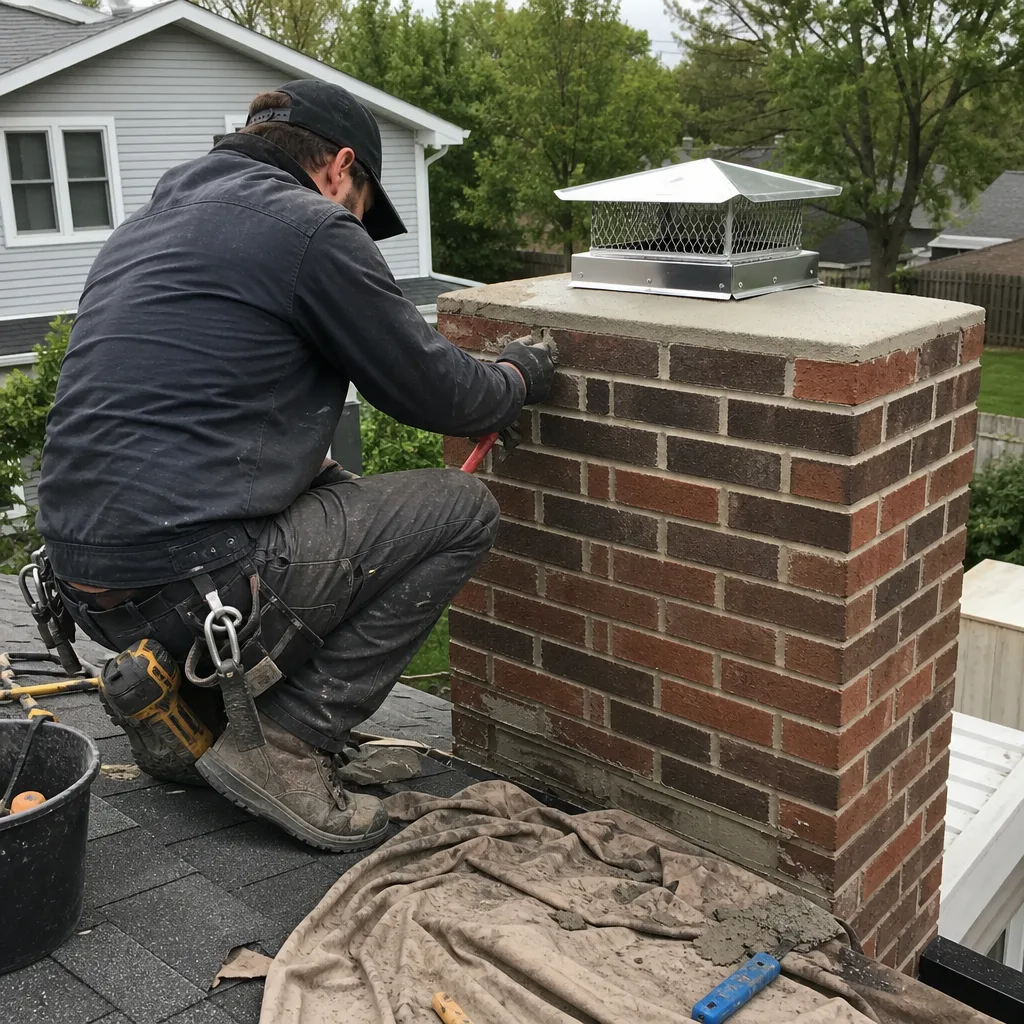 After
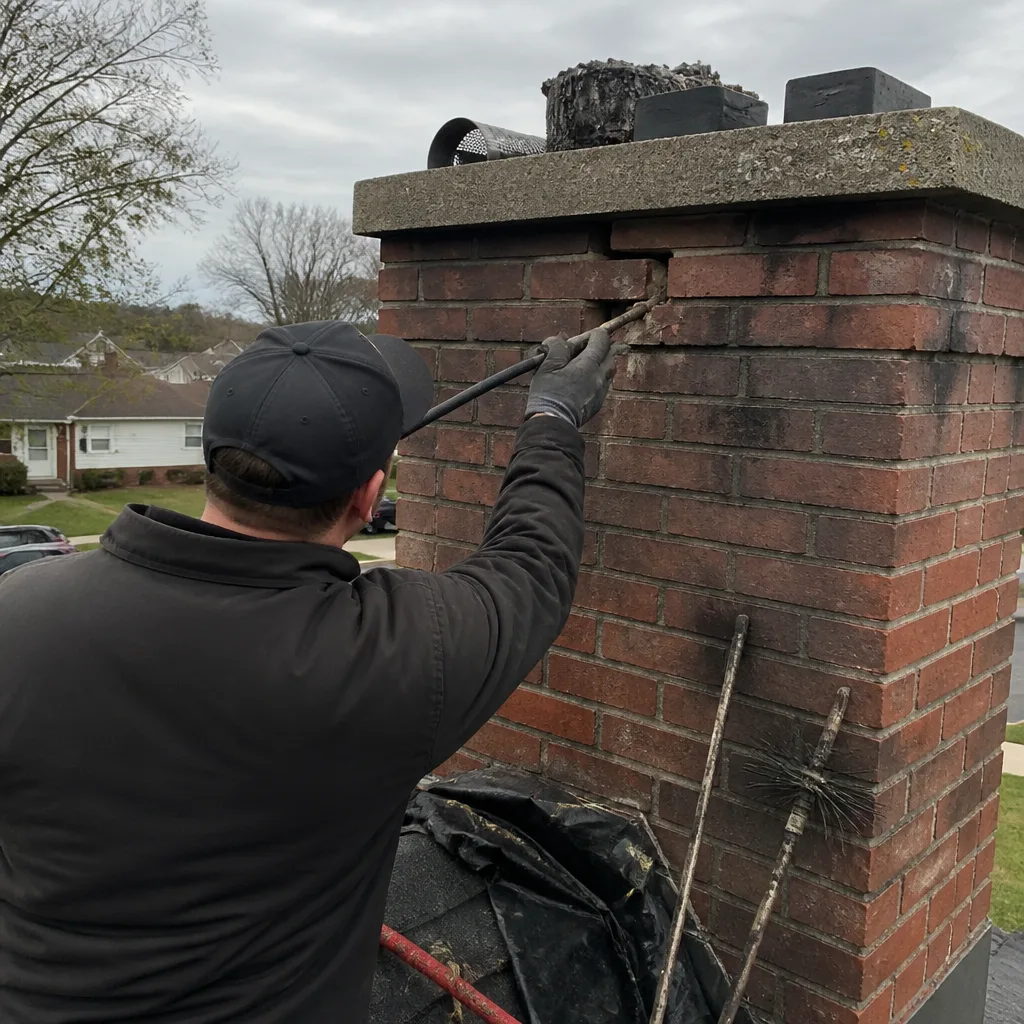 Before
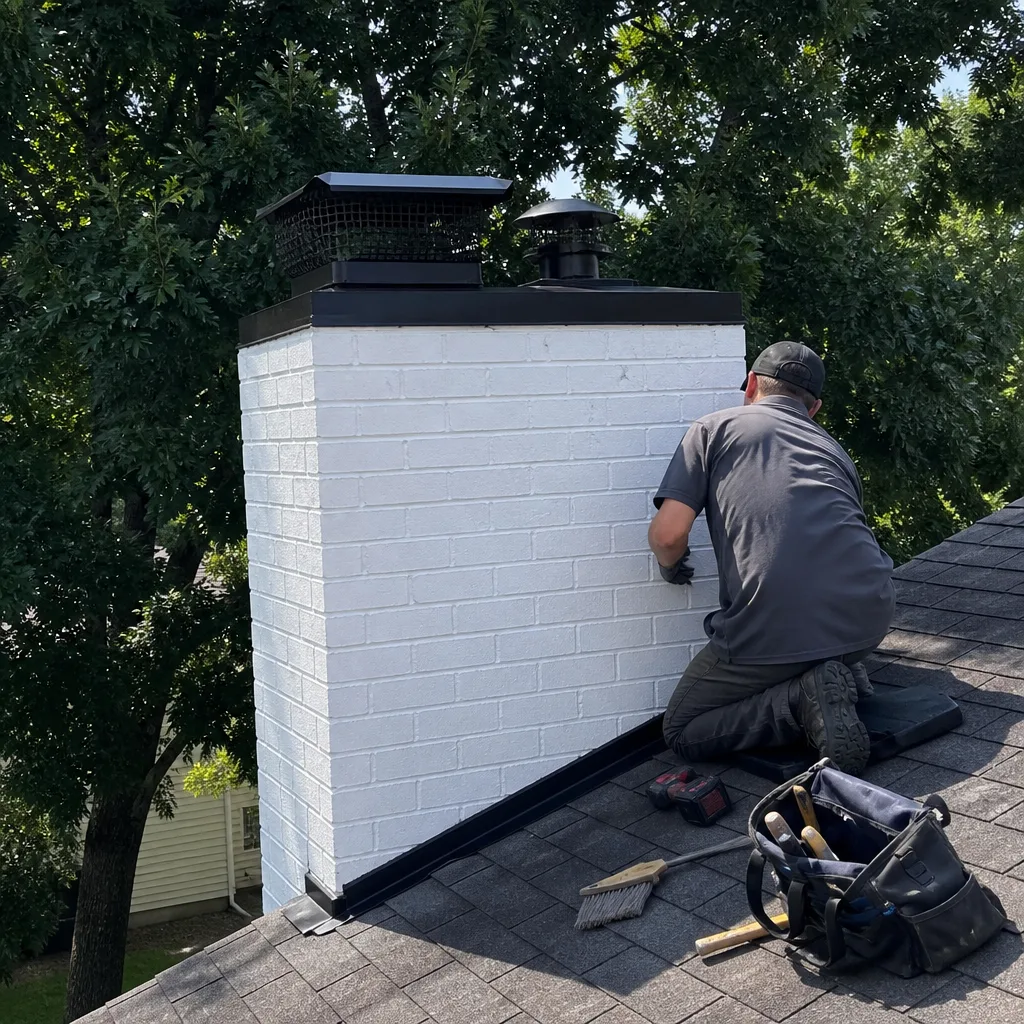 After
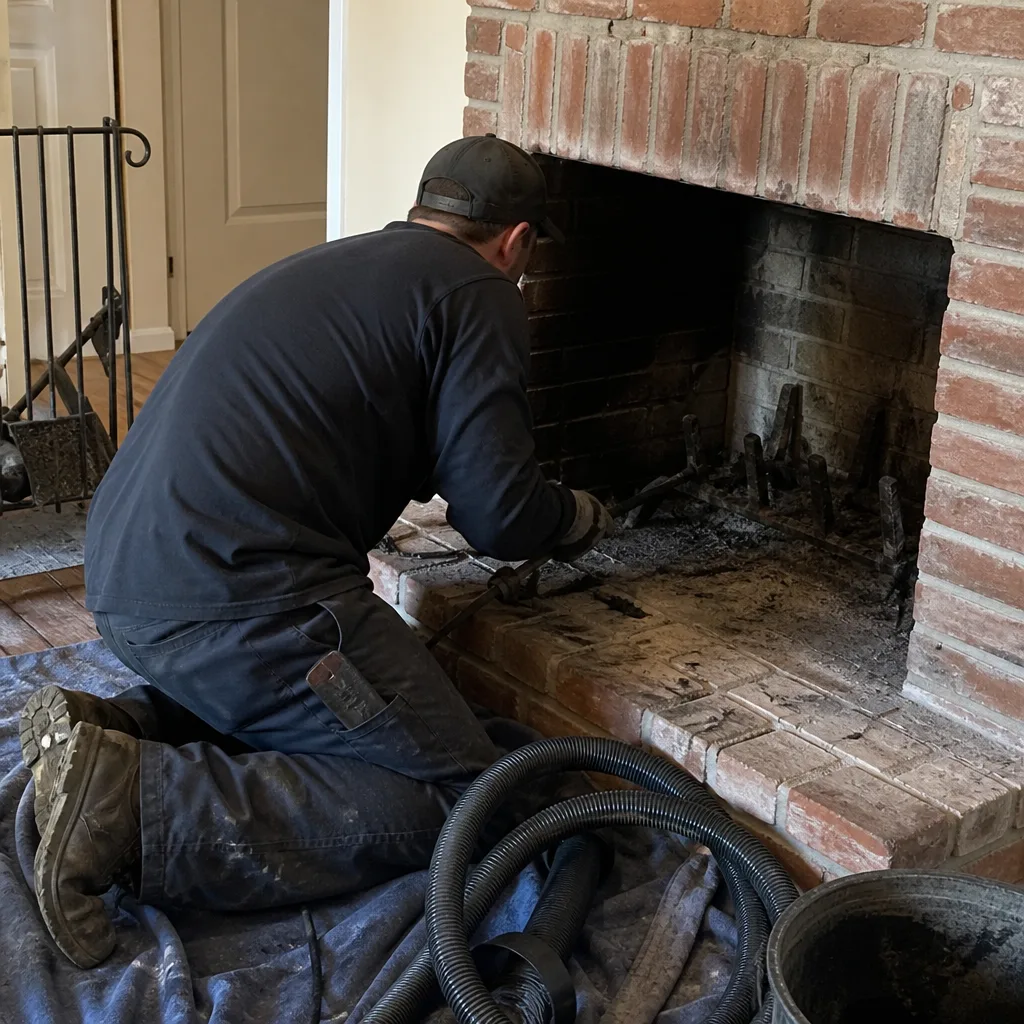 Before
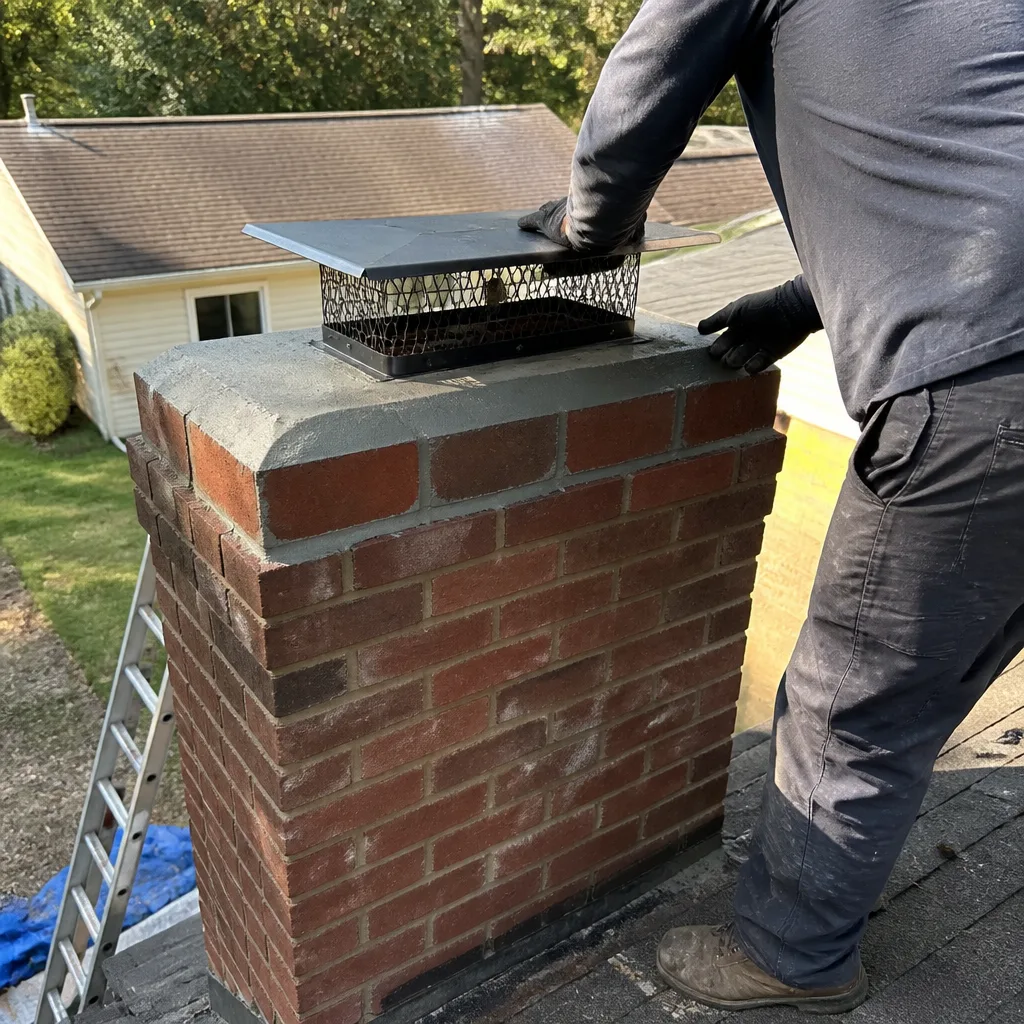 After
Chimney Cleaning Warning Signs: A Chesapeake Homeowner’s Reference Guide
The first warning sign of a chimney fire isn’t flames. It’s a loud crack that sounds like the house settling, maybe followed by a low rumble like distant thunder. By the time a Chesapeake homeowner recognizes what they heard, the event is already over. The second one may not be. Most chimney problems don’t announce themselves as chimney problems. They arrive disguised as a drafty living room, a musty smell that returns every November, or a stain spreading across the ceiling that the roofer swears isn’t from the roof. This guide decodes the indirect signals that a chimney is failing before the obvious ones appear, written for homeowners in Chesapeake who plan to stay in their homes and want to know what they’re looking at.
Quick Answer
Chimney cleaning warning signs in Chesapeake fall into two categories: indirect signals that homeowners mistake for other household problems, and direct signals that mean the chimney needs immediate professional attention. Indirect signs include musty odors in winter, white salt staining on exterior brick, ceiling stains near the fireplace, and animals scratching in walls. Direct danger signs include visible creosote buildup thicker than a quarter-inch, smoke rolling back into the room, and a loud cracking or popping sound during a fire. If you notice any direct danger sign, stop using the fireplace and call a professional before lighting another fire, or consult our step-by-step guide to hiring a chimney cleaning contractor in Chesapeake to know what to look for.
Table of Contents
- Six Indirect Warning Signs That Look Like Something Else
- Direct Danger Signs: When to Stop Burning Immediately
- Third-Degree Creosote: What It Looks Like and Why It Changes Everything
- Why Chesapeake’s Humidity Makes Efflorescence a Bigger Threat
- What to Do If You Spot a Warning Sign Between Service Appointments
- What Happens During a Level-2 Camera Inspection
- How Often Chesapeake Chimneys Actually Need Cleaning
- Common Mistakes to Avoid
- When to Call a Professional
- Frequently Asked Questions
Six Indirect Warning Signs That Look Like Something Else
We’ve been sweeping chimneys in Chesapeake for over 42 years, and the calls that worry us most don’t start with “my chimney is broken.” They start with “I think I have a roof leak” or “my house smells old in winter.” These are the signs that hide in plain sight.
1. Ceiling Stains Near the Fireplace or on an Adjacent Wall
A brownish stain on the ceiling near the chimney breast is not always a roof leak. In our experience across neighborhoods like Great Bridge and Greenbrier, it’s often condensation from a flue liner that has failed or was never installed. Combustion gases cool too quickly inside an unlined or damaged flue, moisture condenses on the masonry, and it migrates through the brick into your plaster or drywall. The stain appears in winter, when the chimney is in use, not during a rainstorm. That’s the tell. A roofer patches the roof. The stain returns. The real problem is inside the flue.
2. Musty Odor That Returns Every Heating Season
Chesapeake’s combination of clay soil, high water tables in areas like Deep Creek, and humid summers creates perfect conditions for moisture trapped inside a chimney. If you smell a musty, earthy odor when you first light the fireplace in fall, that’s not “the house airing out.” It’s organic material, soot, and moisture that have been breeding mold and bacteria in the flue all summer. A clean, dry chimney smells like nothing. The musty odor means water is getting in, and water destroys masonry from the inside.
3. Excessive Smoke Rollout Into the Room
Some smoke puffing out when you open the loading door is normal. Smoke that fills the room, that sets off your detector, or that leaves a haze on your television screen is not. Homeowners in Hickory and Western Branch often blame “drafty houses” or “the wind direction.” The real culprits we find: a flue blocked by a bird nest, a damper rusted partially closed, or a chimney too short for the house’s new roofline after an addition. The house isn’t drafty. The chimney isn’t breathing.
4. Animals Scratching in Walls Near the Chimney Stack
Squirrels, raccoons, and chimney swifts don’t announce themselves at the roofline. You hear them in the wall cavity, often on the second floor, scratching at dawn and dusk. By the time you hear them inside, they’ve already breached the chimney cap or found a gap in the crown. In Chesapeake, where mature oak and pine neighborhoods like South Norfolk and Portlock provide abundant wildlife habitat, this is more common than homeowners expect. The animal is a symptom. The real problem is an open flue or deteriorated crown that will let water in after the animal leaves.
5. White Staining on Exterior Brick (Efflorescence)
Those powdery white streaks on your chimney’s brickwork aren’t cosmetic. They’re salt deposits left behind when water moves through the masonry, dissolves minerals, and evaporates at the surface. We’ll cover why Chesapeake’s climate makes this especially serious in its own section below.
6. Soot Falling Into the Firebox or Hearth
A light dusting of black soot on your firebox floor after a fire is normal. Chunks of black material, shiny flakes, or a sudden increase in debris mean something has changed upstream. Often it’s a deteriorating flue liner shedding material, or creosote buildup that has reached the point of sloughing off in pieces. Either way, that material had to come through the damper to get to you.
Direct Danger Signs: When to Stop Burning Immediately
Some signs don’t allow a wait-and-see approach. If you observe any of the following, extinguish any active fire, do not light another, and call for professional inspection before the next use.
| Sign | What It Means | Required Action |
|---|---|---|
| Loud cracking or popping during a fire | Chimney fire in progress; creosote has ignited | Extinguish fire, evacuate if flames visible, call 911 if fire extends, then schedule Level-2 inspection before reuse |
| Visible flames or glowing in the chimney structure | Fire has escaped the flue into surrounding masonry | Call 911, evacuate, do not re-enter until fire department clears structure |
| Thick black, tar-like creosote visible from below | Third-degree creosote; highly combustible | Stop all fires immediately; chemical treatment or mechanical removal required |
| Smoke detector activation during normal fireplace use | Smoke entering living space due to blockage or downdraft | Extinguish fire, ventilate, inspect before reuse |
| Strong, acrid chemical smell during burning | Combustion of non-wood materials or liner degradation | Extinguish immediately; possible liner failure or foreign material in flue |
| Bricks or mortar pieces in the firebox | Masonry deterioration; structural compromise possible | Stop use; structural assessment required |
The crack of a chimney fire sounds like a gunshot or a heavy branch snapping. It happens because creosote, once ignited, burns at temperatures exceeding 2,000 degrees. The metal flue liner expands violently. The masonry surrounding it cracks from thermal shock. That sound is the structure of your chimney being damaged in real time. Even if the fire burns itself out, the chimney is no longer the same chimney. A Level-2 camera inspection is mandatory before the next fire.
Carbon monoxide is the silent partner in all of this. A blocked or damaged flue doesn’t always send smoke into the room. Sometimes it sends colorless, odorless combustion gases into the house through gaps you cannot see. Every home with a fireplace or wood stove needs working CO detectors on every sleeping level. We check detector placement during every service call in Chesapeake, and we replace more dead units than we expect to find.
Third-Degree Creosote: What It Looks Like and Why It Changes Everything
Not all creosote is the same, and not all of it can be swept away with a brush, as explained in The Complete Guide to Chimney Cleaning in Chesapeake.
First-degree creosote is light, fluffy, and black. It brushes out easily during a standard sweep. Second-degree creosote is harder, with a shiny or gummy texture, like tar. It requires more aggressive mechanical cleaning but still responds to proper equipment.
Third-degree creosote is different. It looks like hardened black glass, or like volcanic rock coating the flue walls. It is dense, brittle, and bonded to the liner surface. You cannot brush it out. You cannot scrape it out without damaging the liner beneath it. In our work across Chesapeake, we find it most often in chimneys serving older fireplaces that were converted to wood stove inserts without proper liner sizing, or in chimneys where homeowners burned unseasoned oak or pine for multiple seasons without inspection.
Here’s what third-degree creosote means in practical terms: if we discover it during a mid-season inspection, we recommend stopping all fires immediately. Not after the holidays. Not after this last cold snap. Immediately. The material has already demonstrated that it forms under your burning conditions, and the next formation cycle may be the one that ignites.
Removal options depend on the liner material and the thickness of the deposit. Chemical treatments can soften third-degree creosote over multiple applications, allowing gradual mechanical removal. In some cases, particularly with older clay tile liners that are already cracked or spalled, we recommend liner replacement with a stainless steel system from DuraFlex. The new liner is sized correctly for the appliance, smooth-walled to resist future buildup, and carries a lifetime warranty when properly installed.
The cost difference between catching creosote at second-degree versus discovering third-degree is substantial. A standard sweep in Chesapeake runs in the range of $200-$350. Third-degree creosote treatment, with chemical application and return visits for mechanical removal, typically runs $800-$1,400. Liner replacement, if needed, ranges from $2,500-$5,500 depending on chimney height and configuration. The inspection that catches it early costs the same either way.
Why Chesapeake’s Humidity Makes Efflorescence a Bigger Threat
Efflorescence, that white powdery staining on exterior brick, occurs wherever water moves through masonry and evaporates, leaving mineral salts behind. It happens in Phoenix. It happens in Minneapolis. But in Chesapeake, it means something more urgent.
Our climate delivers three conditions that accelerate masonry damage once efflorescence appears: high year-round humidity that keeps masonry from fully drying, frequent freeze-thaw cycles in winter that expand water trapped in brick pores, and sandy coastal soils that allow groundwater movement against foundation and chimney bases. In neighborhoods like Butts Station and along the Elizabeth River, where the water table sits high and summer air hangs heavy, a chimney showing efflorescence is not experiencing a cosmetic issue. It’s experiencing active water intrusion that will destroy the chimney from the inside out.
The freeze-thaw cycle is the killer. Water enters brick pores as liquid. Temperature drops to 28 degrees overnight. Water expands by 9 percent as it freezes, creating pressure that cracks the brick face. Next thaw, more water enters the larger opening. Next freeze, more damage. Chesapeake averages 15-20 freeze-thaw cycles per winter, enough to turn a sound chimney into a structurally compromised one in three to five years if water intrusion continues unchecked.
We’ve rebuilt chimney crowns in Great Bridge that were intact five years prior, destroyed by water entry at a missing cap that the homeowner noticed as “some white stuff on the brick” and delayed addressing. The white stuff was the warning. The rebuild was the consequence.
Proper crown repair uses materials that flex with thermal movement and shed water decisively. We use crown formulations from HeatShield and Copperfield that are rated for coastal humidity exposure and applied with proper slope and overhang to direct water away from the brick face. A cap alone won’t stop efflorescence if the crown is cracked. Both need to be right.
What to Do If You Spot a Warning Sign Between Service Appointments
You’re not expected to diagnose your own chimney. But you are the only one who lives with it daily, and the steps you take in the first 24 hours after noticing something wrong can prevent damage or protect your household.
- Stop using the fireplace or appliance. This is non-negotiable. If you have any doubt about whether a sign is serious, the default is no fire until a professional evaluates it. A cold night with extra blankets is preferable to a chimney fire or CO exposure.
- Document what you observed. Take photos with your phone. Note the date, time, weather conditions, and what was burning if anything. This documentation helps the technician focus the inspection and helps you remember details that fade quickly.
- Check your smoke and CO detectors. Press the test button. Replace any unit that fails to sound or that is past its expiration date (printed on the back). If you don’t have a CO detector within 15 feet of sleeping areas, purchase one before the technician arrives.
- Call for inspection before you call for cleaning. If you’ve noticed a warning sign, you need diagnosis first. A sweep without inspection can mask the problem or, in the case of third-degree creosote, be physically impossible to complete. Request a Level-2 inspection that includes interior camera evaluation.
- Ask to see the photos. A proper inspection produces images you can see and a plain-English verdict you can understand. If a technician describes a problem they cannot show you, that is reason to pause. Our Level-2 inspections end with dated photos, a written condition report, and a prioritized recommendation list with no pressure to commit to work the same day.
- Get a second opinion if the recommended work exceeds $1,000. We offer free second opinions on any written estimate from another company. Bring their paperwork. We’ll review it against what we find and tell you where we agree, where we differ, and why. No charge, no obligation.
If you smell gas or suspect a gas leak in a gas fireplace or insert, leave the house immediately and call 911 or your gas utility emergency line from outside. Do not use light switches, do not use your phone inside, do not open windows to “air it out.” Gas emergencies are outside the scope of chimney service and require immediate utility response.
What Happens During a Level-2 Camera Inspection
The National Fire Protection Association Standard 211 defines three levels of chimney inspection. Level-1 is visual, performed during routine cleaning, adequate when no changes have occurred. Level-2 is required upon sale or transfer of property, after a chimney fire or weather event, or when any warning sign is present. Level-3 involves demolition of building materials to access concealed areas.
A proper Level-2 inspection in Chesapeake takes 60-90 minutes and includes the following:
- Interior video scan of the entire flue length using a camera system that records in high resolution
- Evaluation of flue liner condition: cracks, gaps, spalling, creosote buildup classification
- Assessment of smoke chamber and firebox for proper construction and deterioration
- Exterior examination of crown, cap, flashing, and brickwork from roof level
- Clearance verification to combustible materials
- Documentation with dated photos and written condition report
The camera reveals what no flashlight from below can show. We’ve found cracked flue tiles hidden behind intact mortar joints, bird nests stacked three feet above the damper, and water damage to the smoke chamber that appeared sound from the hearth. In a 2019 inspection off Battlefield Boulevard, the camera revealed a vertical crack in a clay flue liner that had been leaking combustion gases into the wall cavity for an estimated two years. The homeowner’s “allergy symptoms every winter” resolved after liner replacement. The camera doesn’t guess. It shows.
Our inspection reports prioritize findings into three categories: immediate safety concerns requiring action before next use, maintenance items to address within the current season, and monitoring items to track at annual service. No finding is described without a photo reference. No recommendation is made without a clear explanation of what happens if deferred. The report belongs to you whether or not you hire us for the repair.
How Often Chesapeake Chimneys Actually Need Cleaning
The old rule, “once a year,” is a minimum, not a universal schedule. Actual frequency depends on what you burn, how you burn, and what your last inspection found.
| Burning Pattern | Recommended Inspection/Cleaning | Chesapeake-Specific Note |
|---|---|---|
| Primary heat source: wood burned daily, December through March | Mid-season inspection (January) and end-of-season sweep (April) | High humidity in shoulder seasons accelerates creosote formation; unseasoned wood common in local cordwood sales |
| Supplemental heat: 2-3 fires weekly in winter | Annual inspection and sweep before first fire | Schedule in September-October; our calendar fills by November |
| Occasional ambiance: holiday and weekend use | Annual inspection; sweep every 2-3 years if inspection shows minimal buildup | Animal nesting and moisture damage remain annual risks regardless of burn frequency |
| Gas fireplace or insert | Annual inspection of venting system; burner and valve service | Chesapeake’s coastal air corrodes gas valves and thermocouples faster than inland climates |
| After a chimney fire, lightning strike, or earthquake tremor | Level-2 inspection before any reuse, regardless of recent service date | Even minor seismic events can crack flue liners; Chesapeake sits near the Virginia Seismic Zone |
The cordwood sold in Chesapeake and surrounding counties is not always properly seasoned. Oak and hickory need 18-24 months of drying to reach 20 percent moisture content. Wood burned at 25 percent moisture or higher produces significantly more creosote. If you buy wood by the truckload from a roadside seller, invest in a moisture meter ($25 at any hardware store). Split a piece, test the fresh face. Above 25 percent, stack it and wait. Your chimney will stay cleaner, and your fires will burn hotter with less smoke.
We send reminder postcards to our Chesapeake customers in late August, before the scheduling rush. If you’ve used another company or aren’t sure when you were last serviced, assume it’s overdue and book now. The October-through-December calendar at Hearthstone Chimney Co. fills every year, and we don’t add technicians to handle overflow. We’d rather turn down a cleaning than send someone unqualified to your home.
Common Mistakes to Avoid
- Assuming a gas fireplace needs no service. Gas fireplaces don’t produce creosote, but their vents can corrode, their valves can leak, and their ceramic logs can degrade and block proper combustion air flow. Annual inspection is still required.
- Hiring based on the lowest sweep price. A $99 sweep that doesn’t include a camera inspection, doesn’t produce photos, and doesn’t evaluate the crown and cap from the roof is not a bargain. It’s a partial service that leaves problems undiscovered.
- Burning pine or “seasoned” wood from unknown sources. In Chesapeake’s tree-heavy neighborhoods, fallen pine is abundant and free. It’s also resin-heavy and creosote-producing. Free wood is the most expensive wood if it costs you a liner replacement.
- Ignoring efflorescence as “just aging brick.” White staining is active water movement. In our humidity, it accelerates masonry deterioration faster than in drier climates. Address the water source, or plan for rebuild costs.
- Waiting for “the burning season” to schedule. By November 1, every reputable chimney company in Hampton Roads is booked two to four weeks out. The smart money schedules in September.
- Attempting to clean the chimney from below with a brush and rod set. Without proper training, you can damage the liner, miss critical areas in the smoke chamber, and create a false sense of security. More importantly, you won’t see what the camera sees. Professional inspection is not a luxury for the cautious; it’s the only way to know the condition of what you cannot see.
- Deferring cap or crown repair because “it’s not leaking yet.” By the time water shows inside, the damage behind the wall is extensive. Preventive crown repair costs $400-$800. Rebuilding a water-damaged chimney can exceed $4,000.
When to Call a Professional
Call when you notice any sign described in this guide, when your last service was more than 12 months ago, or when you’re buying or selling a home and need documentation for the transaction. Call if your fireplace suddenly performs differently, if a new appliance was installed, or if you’ve had a chimney fire, even a small one. Call if you’re not sure when the chimney was last inspected, because uncertainty about a combustion system is not a comfortable position.
Hearthstone Chimney Co. offers free estimates in Chesapeake. A live person answers the phone 24 hours a day, 7 days a week, not a voicemail system, not a callback queue. Our background-checked, uniformed technicians complete most jobs in a single visit, with no-hassle upfront pricing. Call (757) 590-6579 to schedule, or visit our Hearthstone Chimney Co. home page to learn more about our services.
Frequently Asked Questions
A standard chimney sweep and Level-1 inspection in Chesapeake typically costs between $200 and $350, depending on chimney height, accessibility, and the amount of creosote buildup present. A Level-2 camera inspection, recommended when warning signs are present or when buying a home, generally runs $300 to $500 and includes dated photos and a written condition report. We provide no-hassle upfront pricing before any work begins, and the estimate number matches the invoice number. Call (757) 590-6579 for an exact quote for your specific chimney.
You need a new liner when the existing one is cracked, gaping, or missing, and only a camera inspection can determine this with certainty. A cracked clay tile liner cannot be repaired in place; gaps between tiles allow combustion gases and potential sparks to reach combustible framing. In our Chesapeake inspections, we show you the camera footage and explain exactly what we found. If the liner is sound, we say so. If it’s compromised, we explain the risk and provide options, including stainless steel systems from DuraFlex that carry lifetime warranties. No recommendation is made without photo evidence you can see for yourself.
Annual inspection is the minimum for every chimney, regardless of fuel type. Wood-burning chimneys used as primary heat need mid-season inspection and end-of-season sweeping. Occasional users can often extend to every two to three years for sweeping if annual inspection shows minimal buildup. Gas fireplaces require annual venting and burner inspection even though they don’t produce creosote. Chesapeake’s humidity and coastal air accelerate corrosion and masonry deterioration, making the annual inspection more critical here than in drier inland climates.
Skipped maintenance leads to three predictable outcomes: creosote accumulation to combustible levels, water intrusion causing structural masonry damage, and undetected liner failure creating fire or carbon monoxide hazards. In our experience, the chimneys we rebuild in Chesapeake are not from homes that maintained them faithfully and had bad luck. They’re from homes where maintenance was deferred until a visible problem appeared, by which point the damage was extensive. The cost of prevention is always lower than the cost of repair.
Efflorescence alone does not typically require immediate cessation of fireplace use, but it does require prompt evaluation of the water source causing it. If the staining is accompanied by any interior moisture signs, musty odors, or deteriorating mortar, schedule inspection within 30 days. If the white staining is rapid, extensive, or paired with spalling brick faces, stop use and call sooner. Water and fire don’t mix, and the combination inside a chimney structure is particularly destructive.
A chimney sweep is the physical cleaning of creosote and debris from the flue, smoke chamber, and firebox. A chimney inspection is the evaluation of the entire system’s condition, including areas you cannot see from the hearth. In Chesapeake, we perform sweeps and inspections together as standard practice, but they are distinct services. You can inspect without sweeping, but you should not sweep without inspecting, because cleaning removes the evidence of some problems. Our Chimney Cleaning & Sweep in Chesapeake service includes both, documented with photos and a written report.
We provide full Chimney Repair in Chesapeake, including crown rebuild, cap installation, flashing repair, tuckpointing, liner replacement, and structural rebuild. We also offer Fireplace Services in Chesapeake including gas insert installation, burner service, and hearth restoration. All repair work uses professional-grade materials from Famco, Copperfield, DuraFlex, HeatShield, Gelco, and Olympia Chimney, and is covered by our 90-Day Done Right Promise in writing. Most repairs are completed in a single visit by our background-checked, uniformed technicians.
The Bottom Line
Chimney problems in Chesapeake rarely arrive as chimney problems. They arrive as stains, smells, sounds, and sights that homeowners attribute to other causes, sometimes for years. The six indirect warning signs, the direct danger signals that demand immediate cessation of use, and the specific threat of third-degree creosote are all knowable, all detectable, and all addressable before they become emergencies. Chesapeake’s humidity amplifies water-related damage and makes annual professional inspection more critical than in drier regions. The inspection that catches a problem early costs the same whether the problem is minor or severe, but the difference in outcome is everything. Document what you observe, stop using the system when in doubt, and schedule professional evaluation with a company that shows you photos and explains what they mean in plain English. Done right, and we stand behind it.
Written by Russell Haines, Owner at Hearthstone Chimney Co., serving Chesapeake since 2014.