
Last updated September 10, 2026
Level 1 sweep and inspection to the NFPA 211 annual standard - flue, crown, cap, and flashing checked and photographed
Chimney sweep logs do not sweep chimneys. They loosen some creosote - which then falls where a brush and vacuum still have to collect it.
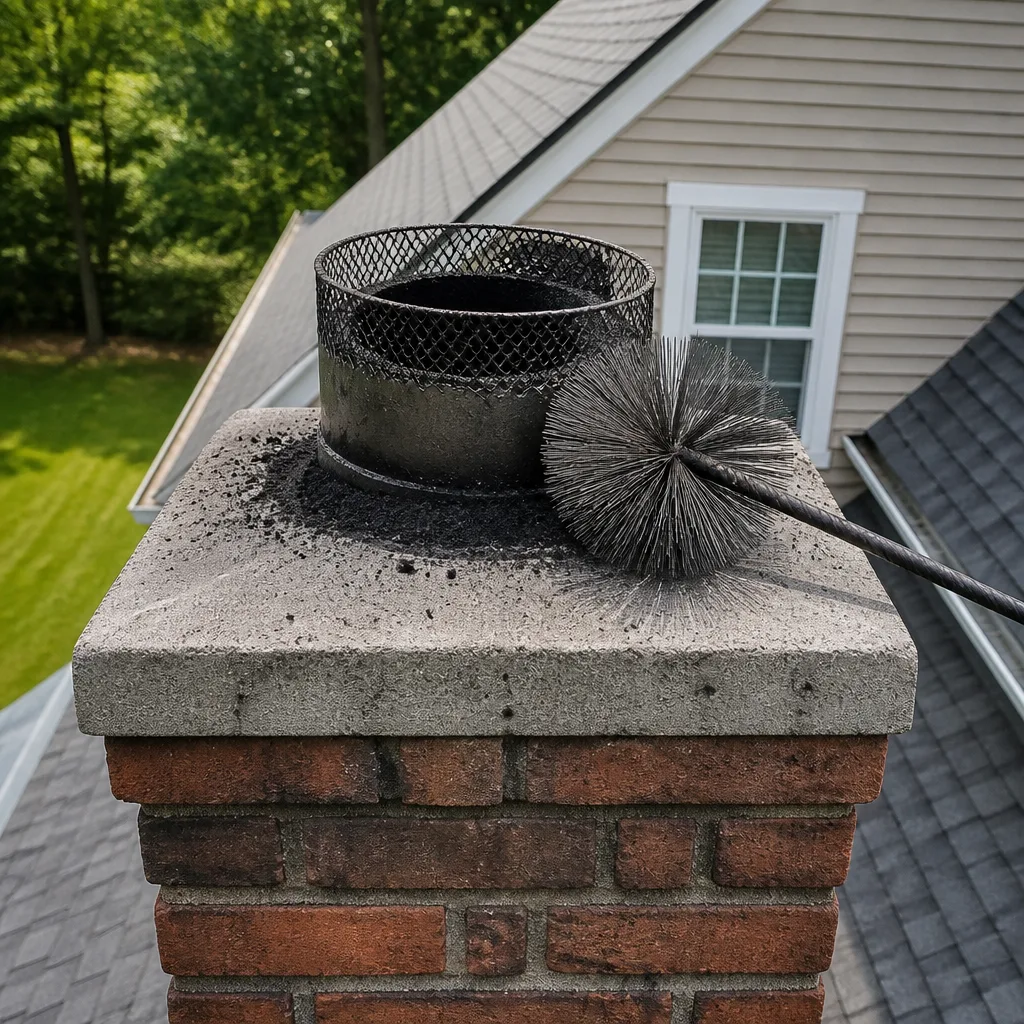
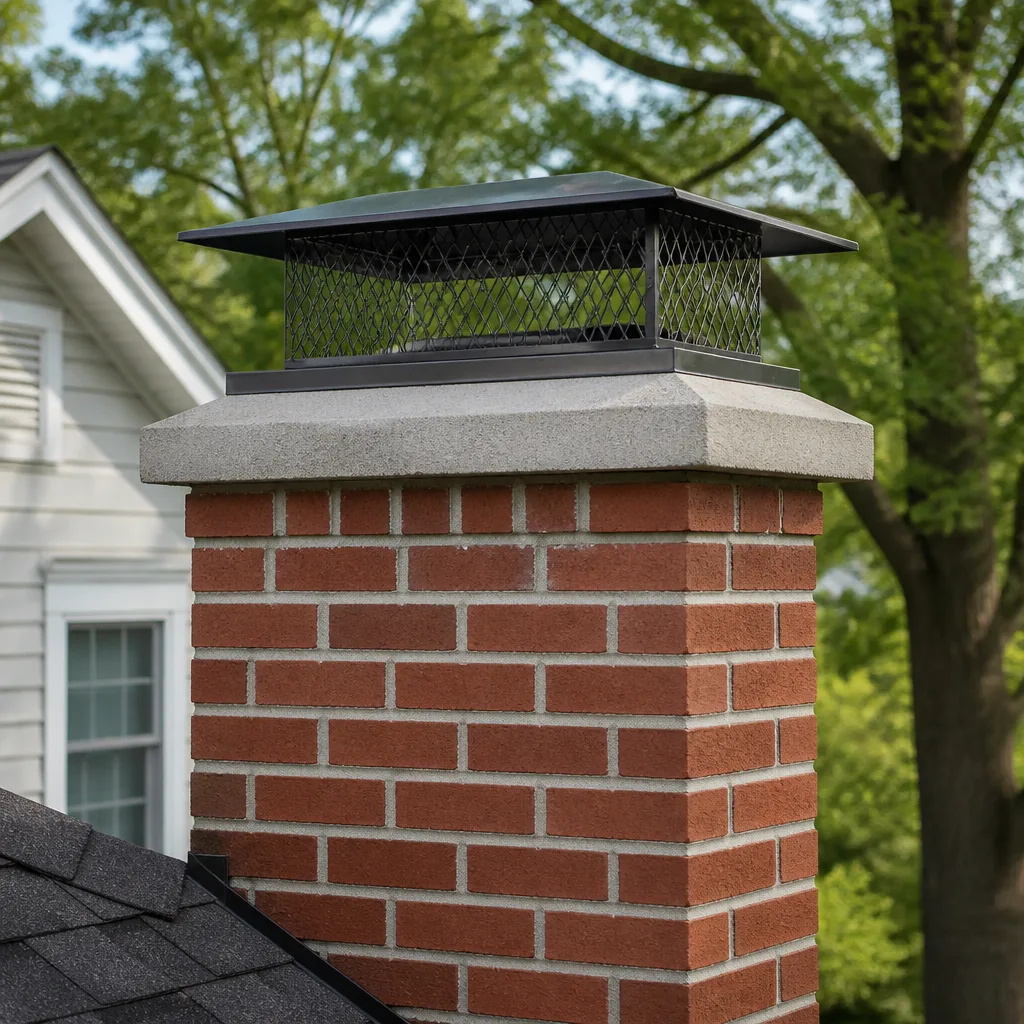
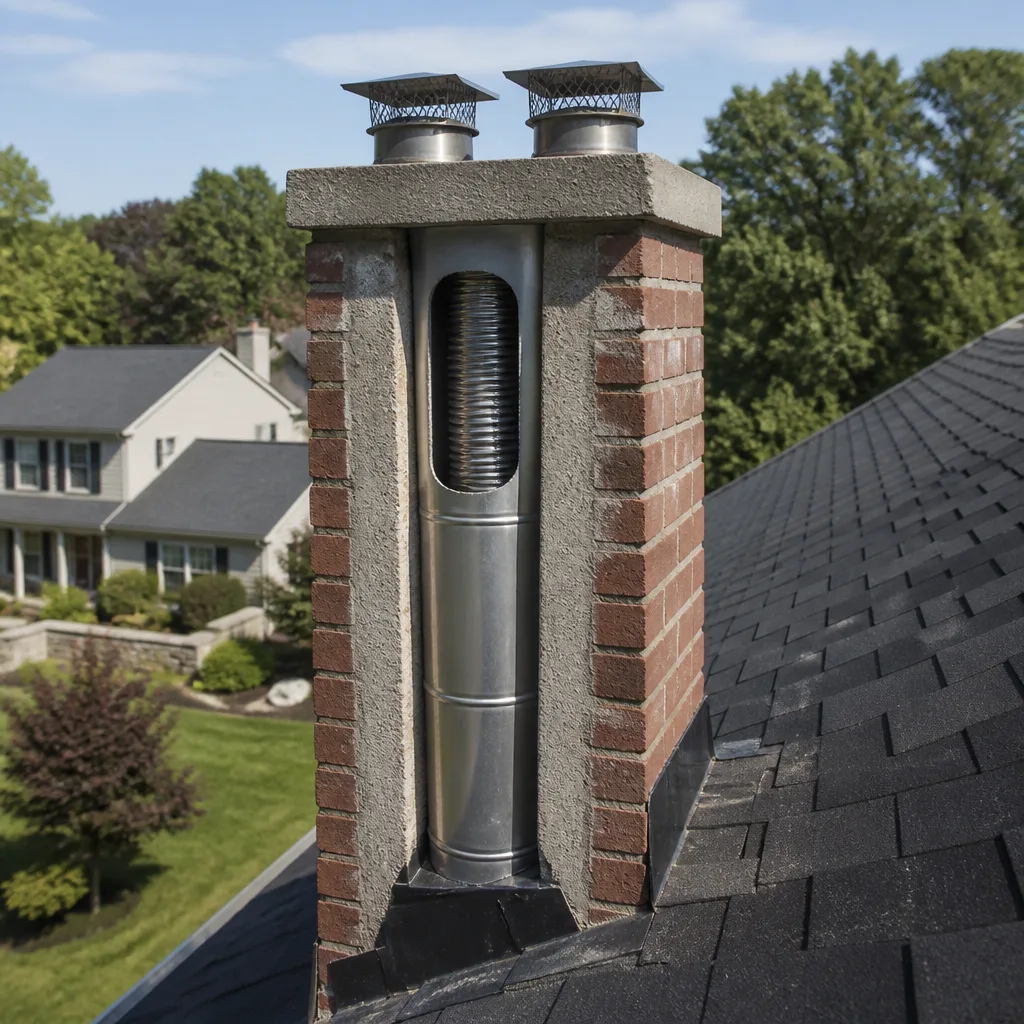
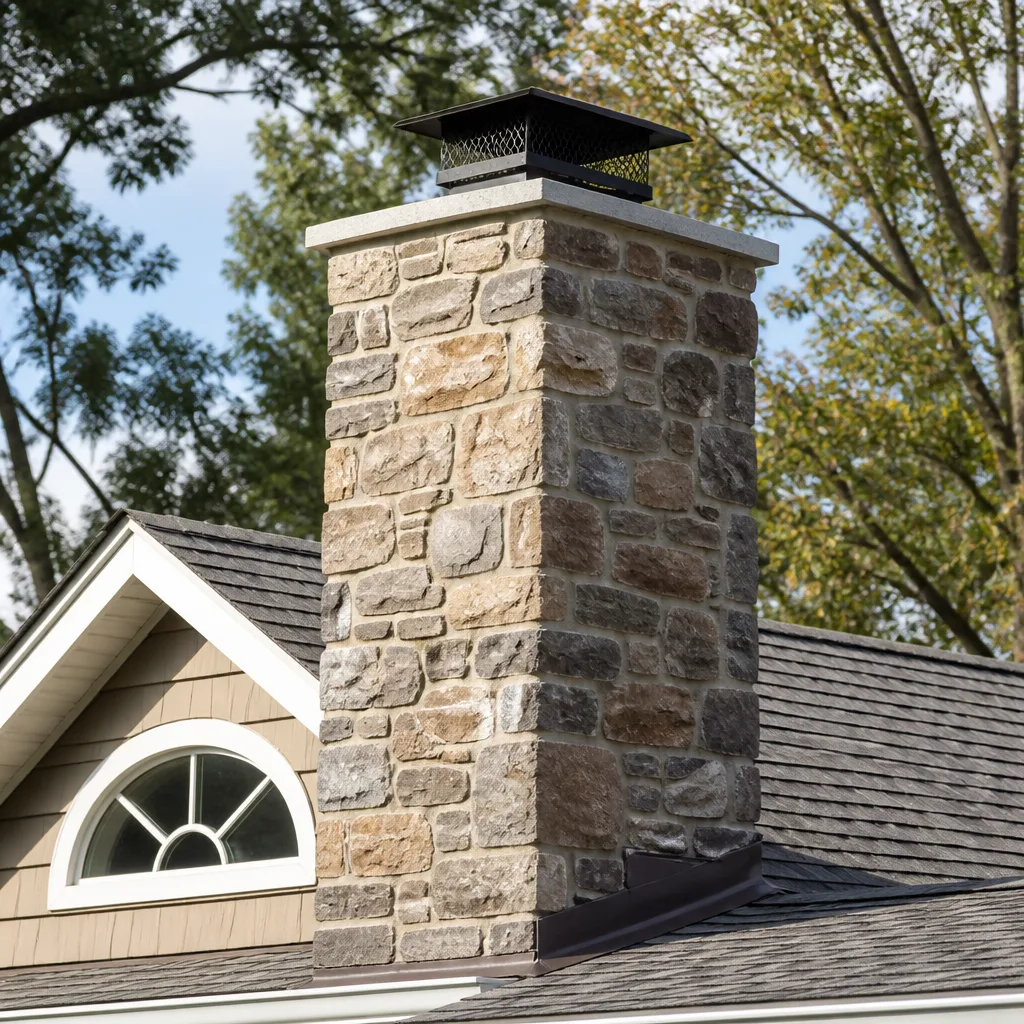
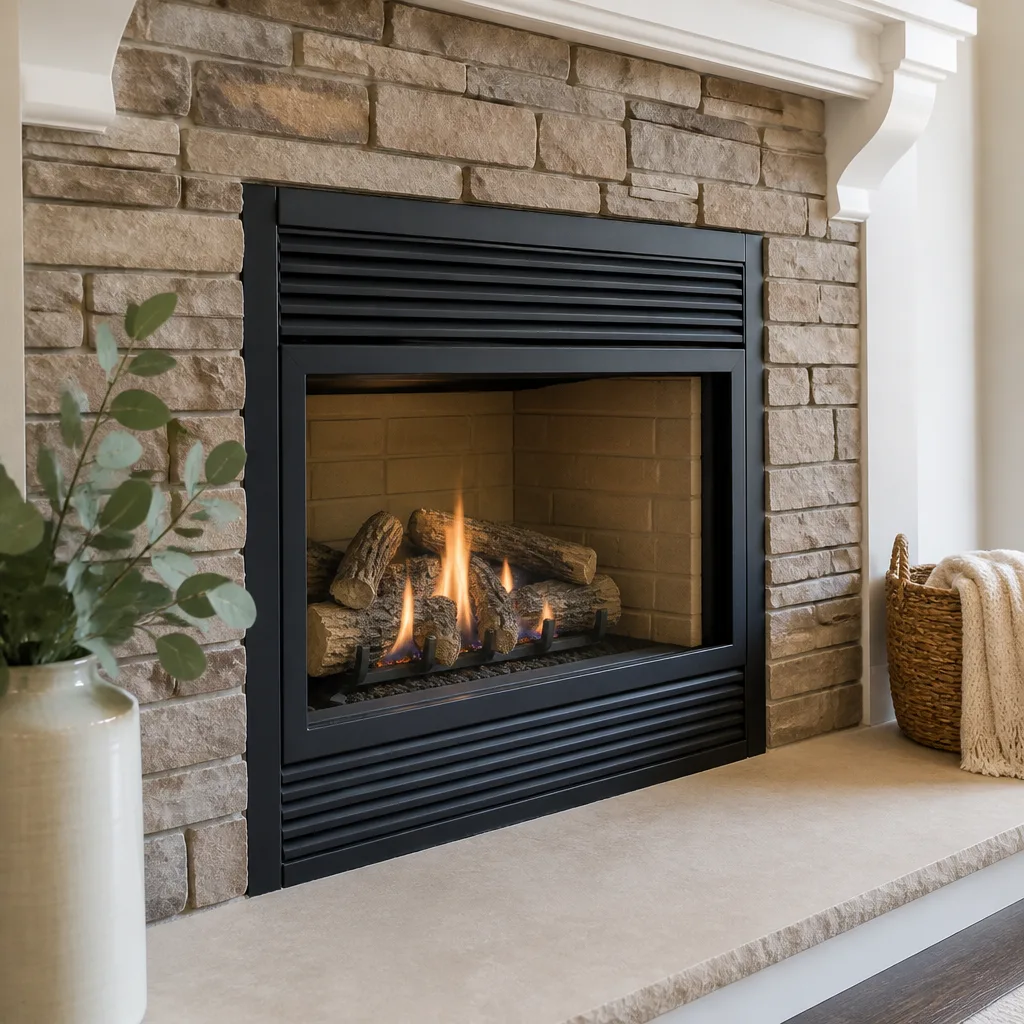
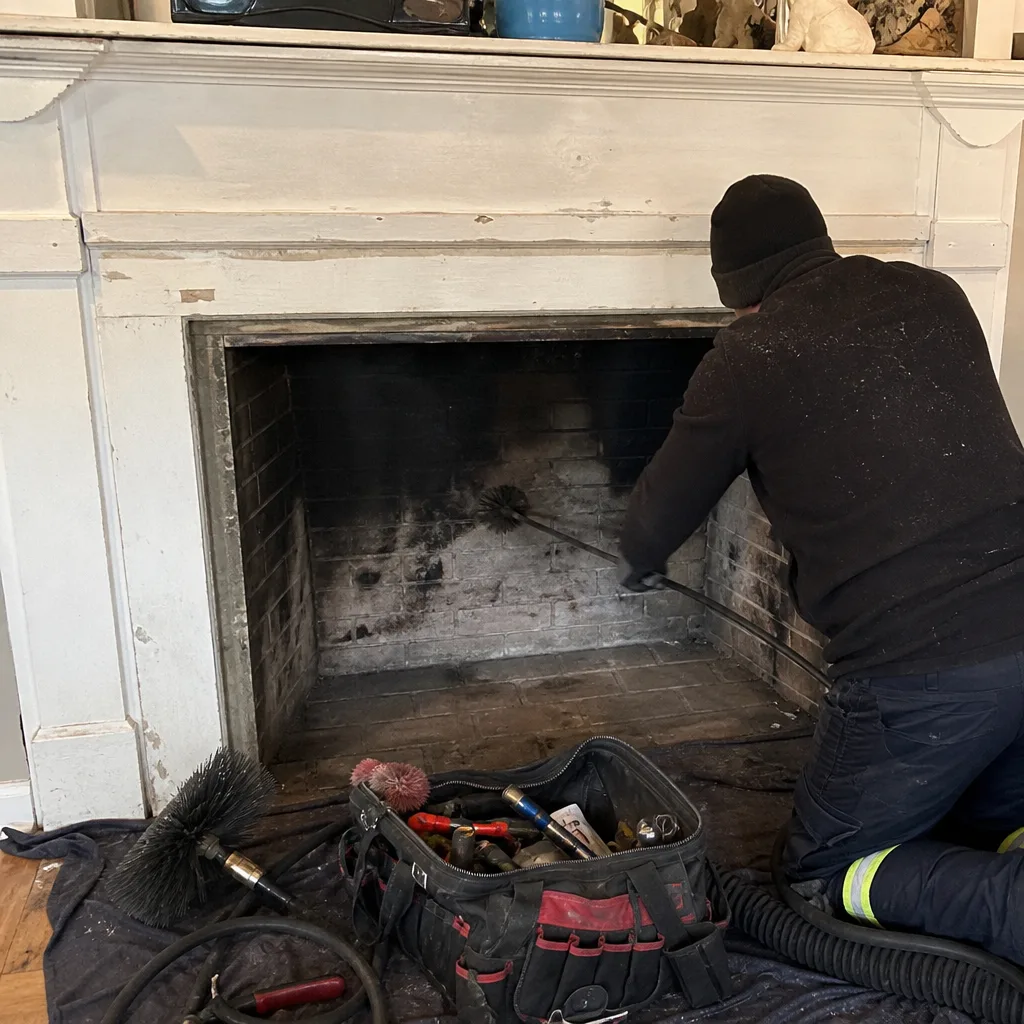 Before
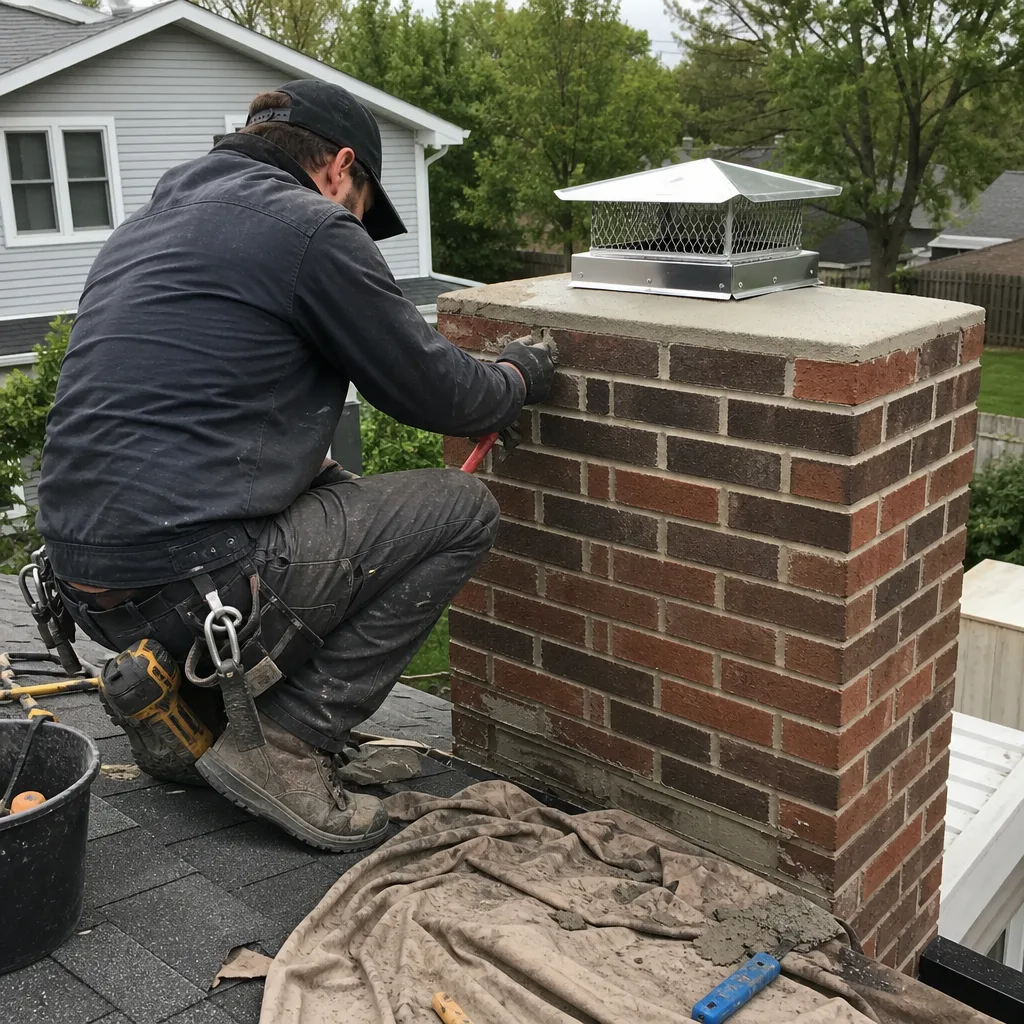 After
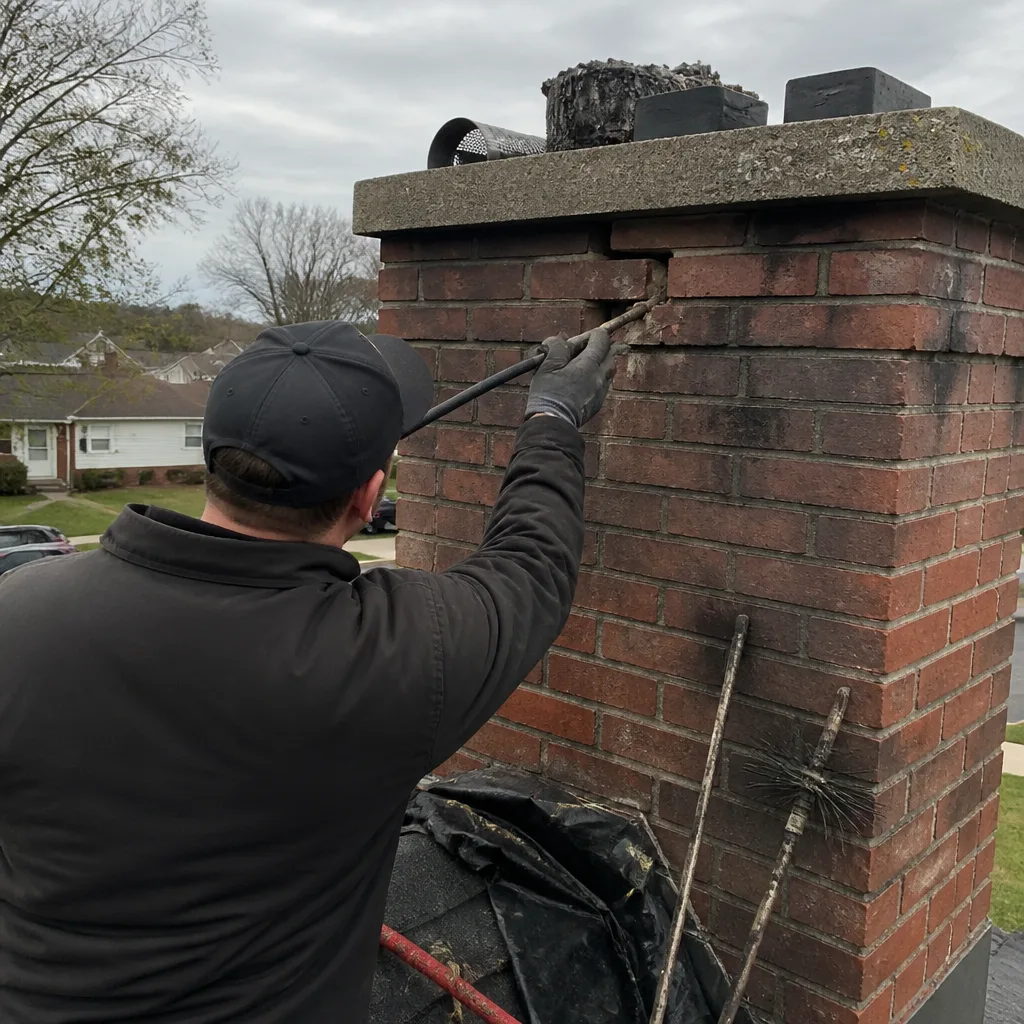 Before
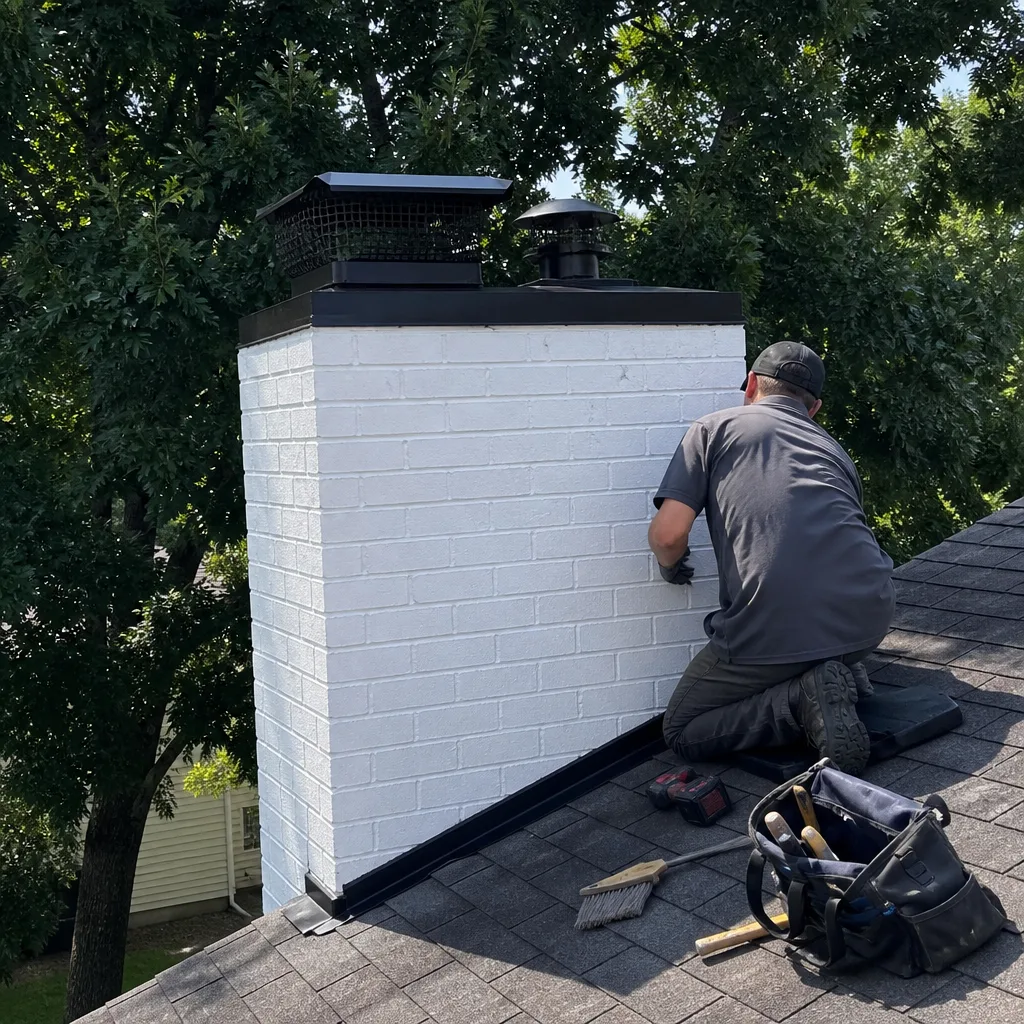 After
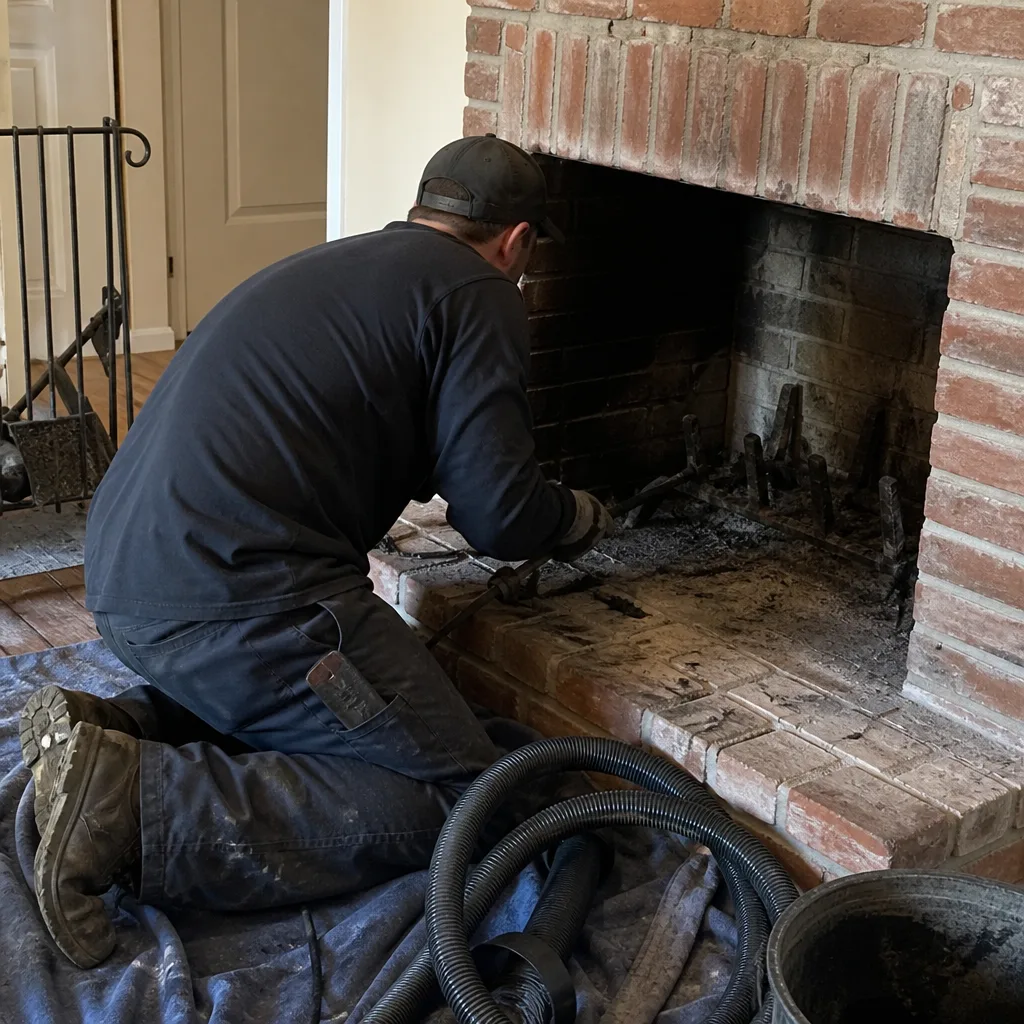 Before
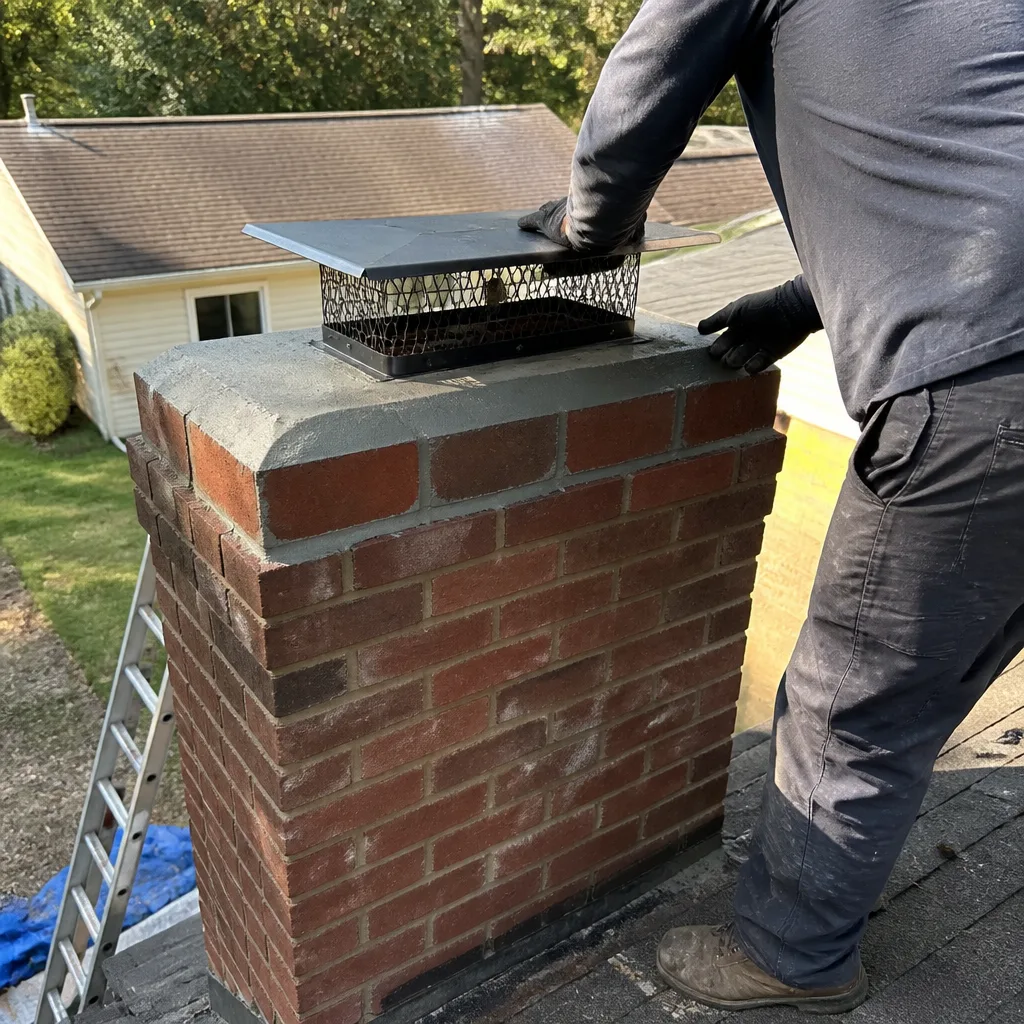 After
DIY vs Professional Chimney Cleaning: The Chesapeake Homeowner’s Decision Guide
You can clean your own chimney. The problem is that a clean chimney and a safe chimney are not the same thing, and you won’t know the difference until something goes wrong. In Chesapeake, where summer humidity bakes into brick all season and winter fires start hard and burn hot, we’ve pulled apart flues that looked spotless from below but had cracked liners, water-damaged mortar, and third-degree creosote glazing that no brush could touch. This guide separates the task from the evaluation. We’ll show you exactly what a motivated homeowner can accomplish with a rod-and-brush kit, the five conditions that make DIY inappropriate regardless of skill, and the three-question framework that tells you which path to take.
Quick Answer
DIY chimney cleaning in Chesapeake can handle loose soot removal from a simple, straight flue with known clay tile liner, but it cannot assess liner integrity, detect dangerous creosote buildup, or evaluate water damage hidden inside the structure. Professional cleaning includes a Level-2 camera inspection that reveals what brushing alone cannot see, and in Chesapeake’s humid climate, that diagnostic work matters more than the sweeping itself. If your chimney has an unknown liner type, any history of fire, gas or insert appliances, suspected water damage, or it’s been more than two years since a professional inspection, call a certified sweep.
Table of Contents
- What DIY Chimney Cleaning Actually Accomplishes
- How Chesapeake’s Climate Changes the DIY Equation
- Five Conditions That Rule Out DIY Immediately
- The Hidden Costs of DIY That Most Comparisons Ignore
- What Professional Chimney Cleaning Actually Includes
- The Three-Question Decision Framework
- Common Mistakes to Avoid
- When to Call a Professional
- Frequently Asked Questions
- The Bottom Line
What DIY Chimney Cleaning Actually Accomplishes
A homeowner with a quality rod-and-brush kit, proper ladder access, and a free Saturday can remove loose, powdery soot from an accessible flue. That’s it. That’s the complete list of what DIY chimney cleaning reliably achieves.
The process works like this: you assemble poly or fiberglass rods, attach a brush sized to your flue diameter, and run it up and down from the top or bottom until the soot dislodges. You contain the mess with drop cloths, a shop vacuum with fine particulate filtration, and patience. For a simple fireplace with a straight, vertical clay tile liner in good condition, this removes the material that could fuel a chimney fire.
But here’s what DIY does not do:
- It does not inspect the liner for cracks, gaps, or spalling tile that allow heat and combustion gases to reach combustible framing.
- It does not distinguish between loose soot (which brushes away) and third-degree creosote (which is baked on like enamel and requires chemical treatment or mechanical removal).
- It does not evaluate the crown, cap, flashing, or exterior masonry for water intrusion that destroys chimneys from the outside in.
- It does not assess draft performance, clearance to combustibles, or damper function.
- It does not provide documentation that your insurance company or home inspector may require after a fire or sale.
In our 42 years serving Chesapeake and the surrounding communities, we’ve met hundreds of homeowners who brushed regularly and believed they were maintaining their chimney. Many were. But the ones who weren’t found out the hard way, with a $4,000 liner replacement or a close call with a chimney fire in Great Bridge or a water-damaged chase in Greenbrier that collapsed during a February freeze.
The brushing is not the hard part. The hard part is knowing whether the brushing was sufficient, and a brush cannot tell you that.
How Chesapeake’s Climate Changes the DIY Equation
Chesapeake sits in a humid subtropical zone with summer averages above 80°F and winter dips that drive homeowners to their hearths for months at a stretch. That climate pattern creates specific conditions-covered in our Seasonal Chimney Cleaning Care for Chesapeake: Year-Round Homeowner’s Guide-that make DIY chimney cleaning less effective and more risky than in drier, cooler regions.
Humidity and creosote adhesion. High ambient moisture means wood doesn’t always season properly, even when stored under cover. Burning partially seasoned oak or pine common in South Hampton Roads produces more water vapor in the flue gases. That moisture condenses against cooler flue surfaces, mixing with soot to form a sticky, tar-like deposit that standard brushes simply smear. Third-degree creosote, the glazed black coating that causes most chimney fires, requires a rotary mechanical system or chemical treatment to remove. A homeowner brushing by hand will think the flue is clean because the brush passes freely, but the dangerous material remains.
Freeze-thaw masonry damage. Chesapeake winters bring enough cold snaps to damage water-saturated brick and mortar. Rain driven in from the southeast off the Elizabeth River finds its way through deteriorated crowns and cap joints. Once inside, it expands on freezing, opening hairline cracks into pathways for more water. By the time a homeowner sees interior staining or efflorescence on the exterior, the damage is extensive. A brush won’t find this. A camera inspection will.
Coastal wind and cap failure. The same southeasterly winds that make Chesapeake pleasant in spring tear at chimney caps and drive rain sideways into flue openings. We’ve replaced dozens of caps in neighborhoods from Western Branch to Deep Creek that looked fine from the ground but had separated seams or missing mesh that allowed water, animals, and debris entry for years.
Local fuel and burning patterns. Chesapeake homeowners burn a mix of seasoned hardwood, pallet wood, and occasional construction scraps. Pallet wood, often treated or painted, burns hotter and deposits more concentrated residues. Construction scraps may contain fasteners that damage liners or hidden treated lumber that releases corrosive compounds. A professional sweep asks what you burn and adjusts the inspection accordingly. DIY cleaning has no such feedback loop.
The bottom line for Chesapeake: our climate accelerates the problems that make a chimney unsafe, and it does so in ways that aren’t visible to a homeowner on a ladder with a brush.
Five Conditions That Rule Out DIY Immediately
Regardless of your skill level, tool budget, or confidence on a roof, these five conditions make professional inspection and cleaning non-negotiable. We’ve encountered each one in Chesapeake homes, and in every case, DIY cleaning would have masked or worsened the underlying problem.
1. Unknown liner type or condition
If you don’t know with certainty that your flue is lined with intact clay tile in good condition, you shouldn’t brush it. Many Chesapeake homes built between 1960 and 1990 have unlined brick chimneys or damaged liners that a brush can snag, dislodge, or puncture. Metal liners, stainless steel or aluminum, require different brush types and can be damaged by the wrong tool. A camera inspection identifies the liner type and condition before any mechanical work begins.
2. Any prior chimney fire
Even a small chimney fire, the kind that sounds like a freight train or produces sparks and a hot smell, causes thermal damage that’s invisible from the flue interior. Clay tiles crack. Mortar joints fail. Metal liners warp or develop micro-cracks. A homeowner brushing after a fire risks dislodging damaged material that was still structurally in place, or worse, missing the damage entirely and using the chimney believing it’s safe. We’ve inspected chimneys in Hickory where the homeowner “cleaned it themselves” after a minor fire, only to find a cracked liner that had been venting carbon monoxide into the attic for two heating seasons.
3. Gas appliances, inserts, or pellet stoves
These systems have specific venting requirements, clearances, and connection points that DIY cleaning can disturb or damage. Gas log sets require precise burner orifice alignment that brushing can misalign. Pellet stove venting includes fans and pressure switches that must be protected. Insert installations often involve flexible liner connections that a rigid brush can dislodge. The manufacturer’s warranty for these appliances typically requires professional service to remain valid.
4. Suspected water damage
Stains on the ceiling near the chimney, efflorescence (white powder) on exterior brick, a musty smell after rain, or a damper that rusts repeatedly all indicate water intrusion. Brushing a water-damaged flue can force moisture and degraded material deeper into the structure, accelerate deterioration, or miss the actual entry point entirely. Water damage requires diagnosis of the source, repair of the breach, and then cleaning of the affected area.
5. More than two years since last professional inspection
The National Fire Protection Association recommends annual inspection for all chimneys, and cleaning as needed. If it’s been more than two years, you have no baseline for what “normal” looks like in your system. Creosote buildup rates vary dramatically with wood type, burning habits, and flue design. A professional inspection establishes that baseline and identifies changes over time that DIY cleaning cannot track.
If any of these five conditions applies to your chimney, the DIY vs. professional question is already answered. The cost of professional service is trivial against the cost of missing a structural defect or safety hazard.
The Hidden Costs of DIY That Most Comparisons Ignore
The typical DIY vs. professional comparison stops at the service fee-see our full Chimney Cleaning Cost Breakdown: The Chesapeake Homeowner’s Reference for 2026 for details-usually $200 to $350 for professional chimney cleaning in the Chesapeake market. But the real DIY cost includes several items that don’t appear in the hardware store receipt.
Tool acquisition and quality. A usable rod-and-brush kit runs $80 to $150 for basic poly rods and a single brush size. A complete kit with multiple brush diameters, extension rods for two-story chimneys, a rotary adapter, and a quality vacuum with HEPA filtration pushes $300 to $500. These are single-purpose tools that occupy storage space and require maintenance. Professional sweeps use commercial-grade equipment from suppliers like Copperfield and Famco, maintained on schedule and replaced before wear affects performance.
Mess containment and cleanup. Soot is fine particulate matter that penetrates standard drop cloths, infiltrates HVAC systems, and stains finished surfaces. Proper containment requires sealed plastic sheeting, negative air pressure if possible, and specialized vacuum filtration. We’ve been called to homes in Indian River where the homeowner’s DIY attempt required $400 in professional carpet and upholstery cleaning to remove soot that escaped containment.
Disposal. Creosote and soot are classified as hazardous waste in many jurisdictions and cannot go in standard household trash in quantity. Professional sweeps have disposal relationships and documentation. Homeowners must research local requirements or risk fines.
Time cost at realistic rates. A first-time DIY chimney cleaning, including setup, learning curve, actual brushing, cleanup, and tool maintenance, consumes four to six hours. At even a modest time valuation, that’s $100 to $200 in opportunity cost against a professional service that takes 90 minutes and includes inspection documentation.
Risk cost. Roof work, even on single-story homes, carries fall risk. Ladder positioning on Chesapeake’s common vinyl siding is less secure than on older wood structures. A single emergency room visit for a sprain or fracture erases a decade of DIY savings. More seriously, an undetected defect that leads to a chimney fire or carbon monoxide exposure carries costs that no insurance policy fully covers.
When we run the full accounting with homeowners in Chesapeake, the actual savings of DIY cleaning over professional service, for a simple, well-maintained fireplace in ideal condition, shrinks to roughly $50 to $100 per year. Against that, the homeowner assumes all diagnostic, risk, and documentation responsibility.
What Professional Chimney Cleaning Actually Includes
Professional chimney cleaning, as we perform it at Chimney Cleaning & Sweep in Chesapeake, is not primarily a cleaning service. It is a diagnostic evaluation that includes cleaning as a necessary component. The distinction matters because it explains why the price reflects more than labor and equipment.
Our standard service follows this sequence:
- Exterior evaluation. We inspect the crown, cap, flashing, and visible masonry from roof level, documenting condition with photographs. In Chesapeake, we pay particular attention to cap mesh integrity and crown slope, both of which degrade faster in our coastal wind and rain pattern.
- Interior setup and protection. Sealed containment protects your living space. HEPA vacuum maintains negative pressure to prevent soot migration.
- Level-2 camera inspection. Before brushing, we run a high-resolution camera the full length of the flue, recording video and capturing still images of every joint, transition, and surface condition. This establishes the baseline and identifies any condition that changes our approach. We show you the footage and explain what we’re seeing in plain English.
- Mechanical cleaning. Based on the inspection findings, we select appropriate equipment: standard brushing for loose soot, rotary mechanical systems for glazed creosote, or chemical treatment for severe buildup. Our technicians carry the full range of professional-grade tools and materials from Hearthstone Chimney Co. home inventory.
- Post-cleaning verification. We camera the flue again to confirm complete removal and document final condition. You receive photos and a written verdict, not a verbal assurance.
- Component function check. Damper operation, smoke shelf condition, firebox integrity, and clearance to combustibles are verified against code requirements.
- Written report and recommendation. Any needed repairs are described with priority ranking: immediate safety concerns, maintenance items that can wait until off-season, and monitoring points for future inspections. Our Chimney Repair in Chesapeake service handles anything we find, with the same no-hassle upfront pricing and 90-Day Done Right Promise.
The critical element is the camera inspection. In 42 years, we have never found a chimney where the interior condition matched the exterior appearance or the homeowner’s assumption. We’ve found cracked liners in chimneys that passed a DIY brushing “just fine.” We’ve found bird nests blocking flues that had been “swept last year.” We’ve found water damage in chimneys with no visible exterior staining.
Photos you can see, a plain-English verdict. That’s the difference between cleaning and knowing.
The Three-Question Decision Framework
Use these three questions to determine whether DIY chimney cleaning is appropriate for your situation. Answer honestly. The questions are designed to catch the conditions that make DIY risky, not to steer you toward professional service unnecessarily.
Question 1: Do I know with certainty what type of liner I have, and that it is intact and appropriate for my appliance?
Certainty means you’ve seen it yourself on camera or had a professional inspection within two years that confirmed condition. Guessing based on house age, neighbor’s chimney, or “it seems fine” is not certainty. If the answer is no, call a professional.
Question 2: Has this chimney ever had a fire, water intrusion, animal entry, or more than two years without professional inspection?
Any of these events can create hidden damage that brushing worsens or misses. A prior fire is an automatic professional referral regardless of apparent damage. Water intrusion requires source identification before interior work. Animal entry may have damaged liner or left combustible nesting material in inaccessible areas. Extended inspection gaps mean no baseline exists. If the answer is yes to any, call a professional.
Question 3: Am I burning only properly seasoned hardwood, in an open fireplace with no insert, gas starter, or other modification, with a straight vertical flue no taller than single-story plus attic?
This describes the only configuration where DIY cleaning is mechanically straightforward and diagnostically lower-risk. Seasoned hardwood produces less creosote. Open fireplaces allow visual access. Straight flues don’t snag brushes. Single-story heights keep ladder work manageable. If you burn pine, pallet wood, or construction scraps; if you have an insert, gas logs, or pellet stove; if your flue has offsets or extends two stories; the mechanical complexity and diagnostic requirements exceed DIY scope. If the answer is no, call a professional.
If all three answers are yes, you have a candidate for DIY maintenance. Even then, we recommend professional inspection every three years to establish and maintain baseline documentation. And if any answer changes, reassess immediately.
Common Mistakes to Avoid
- Brushing from the bottom only. Bottom-up brushing pushes debris into the smoke shelf and firebox, where it’s harder to remove completely and can obstruct the damper. Always brush from the top down when safely accessible, or use a dual-direction approach with thorough smoke shelf cleaning after.
- Using the wrong brush size or material. A brush too small for the flue diameter skips the corners where creosote concentrates. A brush too large binds and can damage clay tile or dislodge mortar. Metal brushes on metal liners cause scoring that accelerates corrosion. Measure your flue precisely and match the brush.
- Skipping the smoke shelf. The smoke shelf, the flat area behind the damper, collects the most debris and is the most difficult to access. We’ve found smoke shelves in Chesapeake homes packed with years of accumulated material that the homeowner “cleaned” annually without ever addressing. Use a dedicated smoke shelf brush and mirror, or accept incomplete cleaning.
- Ignoring the exterior. A clean flue with a failed crown or missing cap will be dirty again by spring, and the water damage will progress. DIY cleaning that addresses only the interior misses half the maintenance requirement. At minimum, inspect the cap, crown, and visible flashing from ground level with binoculars.
- Disposing of creosote improperly. In Chesapeake and surrounding jurisdictions, creosote-laden debris may require hazardous waste handling depending on quantity. Burning it in the fireplace or fire pit releases concentrated toxins. Check local requirements before disposal.
- Assuming “no problems” means “safe.” The most dangerous chimneys we’ve inspected were the ones that “always worked fine.” Carbon monoxide doesn’t produce symptoms until concentrations are dangerous. Small chimney fires often self-extinguish without the homeowner knowing. The absence of obvious problems is not evidence of safety.
- Using a shop vacuum without HEPA filtration. Standard shop vacuums exhaust fine particulate through the motor housing, distributing soot throughout your home and into your lungs. Only use vacuums with true HEPA filtration and sealed motor systems rated for fine particulate.
When to Call a Professional
Call a certified chimney sweep when any of the five exclusion conditions apply, when any of the three framework questions returns a no, or when you simply want the confidence of documented inspection and professional accountability, and explore more guides & resources to stay informed. In Chesapeake’s climate, that means most homeowners benefit from annual professional service even if they handle intermediate maintenance themselves.
Specific scenarios that warrant immediate professional attention: visible cracks in the firebox or flue tile, smoke entering the room during normal operation, a persistent smell of creosote even when not burning, white staining on exterior masonry, rust on the damper or firebox components, or any change in draft performance after weather events.
Hearthstone Chimney Co. offers free estimates in Chesapeake. Our technicians are background-checked, uniformed, and complete most jobs in a single visit. We answer the phone with a live person 24 hours a day, 7 days a week, and our 90-Day Done Right Promise covers every job in writing with no arguing. Call (757) 590-6579 to schedule or to discuss whether your specific situation warrants professional inspection.
Frequently Asked Questions
Professional chimney cleaning and inspection in Chesapeake typically ranges from $200 to $350 for a standard fireplace with Level-2 camera inspection included. Factors that affect price include flue height, number of appliances, severity of creosote buildup requiring rotary or chemical treatment, and accessibility. Our $89 Seasonal Tune-Up offers a limited-time entry point for qualifying systems. We provide no-hassle upfront pricing, the estimate number matches the invoice number, and estimates are free. Call (757) 590-6579 for exact pricing on your specific chimney.
A legitimate liner recommendation comes with photographic evidence you can see and a plain-English explanation of the specific defect. At Hearthstone Chimney Co., we show you the camera footage and explain exactly what we’re seeing: cracked tile, missing mortar joints, corrosion patterns, or improper sizing. We also tell you when a liner can wait, when monitoring is sufficient, and when the condition is cosmetic rather than safety-critical. If a sweep recommends liner replacement without documentation, get a second opinion. We offer free second opinions on any written estimate.
The National Fire Protection Association recommends annual inspection for all chimneys, with cleaning as needed based on inspection findings. In Chesapeake’s humid climate, we find that open fireplaces burning mixed hardwoods typically need cleaning every 1 to 2 years of regular use, while gas appliances may need only biennial inspection if venting properly. The specific interval depends on wood moisture content, burning frequency, and flue design. A camera inspection establishes your actual buildup rate rather than guessing.
Skipped cleaning allows creosote accumulation, which restricts flue diameter, reduces draft, and increases chimney fire risk. In Chesapeake, we’ve seen chimneys with 1/2 inch or more of glazed creosote that ignited during normal use, causing liner damage and in one case in Western Branch, a roof fire. Skipped inspection also means undetected water damage, liner deterioration, or animal entry progresses until repair costs multiply. The most common consequence we see is not dramatic fire but gradual, expensive degradation that could have been caught early.
Chemical creosote removers, typically powders or logs applied to active fires, can modify creosote structure to make it more brushable, but they do not remove buildup by themselves. They are adjuncts to mechanical cleaning, not replacements. In Chesapeake’s humid climate, where creosote tends toward the sticky, adherent variety, chemical treatment alone is rarely sufficient. We use professional-grade treatments as part of a mechanical removal process, not as a standalone solution.
Cleaning removes combustible deposits from the flue and firebox. Inspection evaluates the entire system, including liner condition, structural integrity, clearances, and component function, using visual and camera examination. In our service, cleaning and Level-2 inspection are bundled because cleaning without inspection is incomplete maintenance, and inspection without cleaning gives an incomplete picture of flue condition. The Fireplace Services in Chesapeake page details our full inspection and maintenance offerings.
The Bottom Line
DIY chimney cleaning is mechanically possible for a narrow set of conditions: a simple, open fireplace with known intact clay liner, burning only seasoned hardwood, with no history of fire or water damage, and with regular professional inspection to establish baseline safety. For everyone else, and for most Chesapeake homeowners given our climate and housing stock, the diagnostic work matters more than the brushing.
The real question is not whether you can clean your own chimney. It’s whether you can evaluate what the cleaning revealed, or more importantly, what it didn’t. A brush removes loose soot. A camera reveals the condition that determines whether your next fire warms your family or endangers them. That evaluation, documented and explained in plain English, is what professional service provides.
We’ve been serving Chesapeake and surrounding communities for over 42 years. We’re not going anywhere. Our 90-Day Done Right Promise means if it’s not right, we make it right, in writing, no arguing. Photos you can see. A plain-English verdict. A square deal with no surprises on the bill.
Call (757) 590-6579 for a free estimate, or to discuss whether your chimney qualifies for safe DIY maintenance.
Written by Russell Haines, Owner at Hearthstone Chimney Co., serving Chesapeake since 2014.