
Last updated September 10, 2026
Level 1 sweep and inspection to the NFPA 211 annual standard - flue, crown, cap, and flashing checked and photographed
Chimney sweep logs do not sweep chimneys. They loosen some creosote - which then falls where a brush and vacuum still have to collect it.
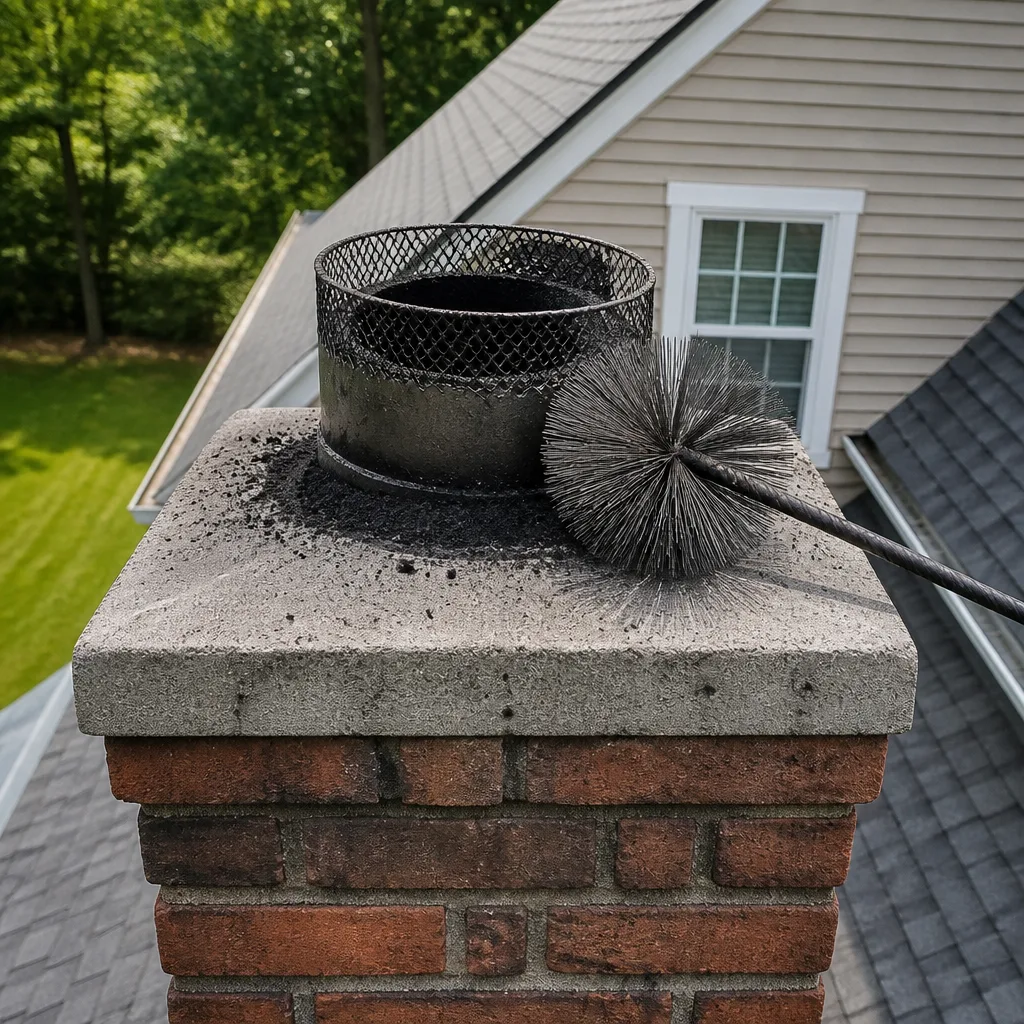
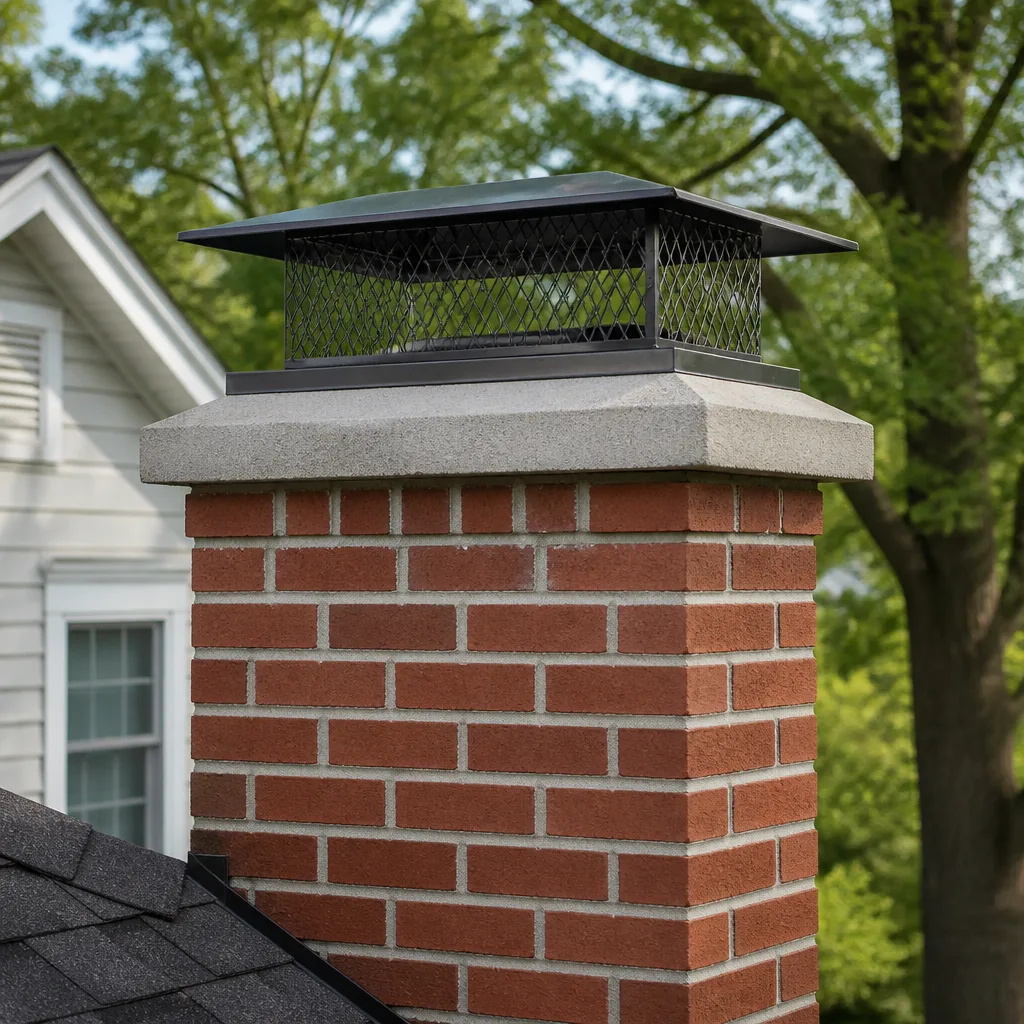
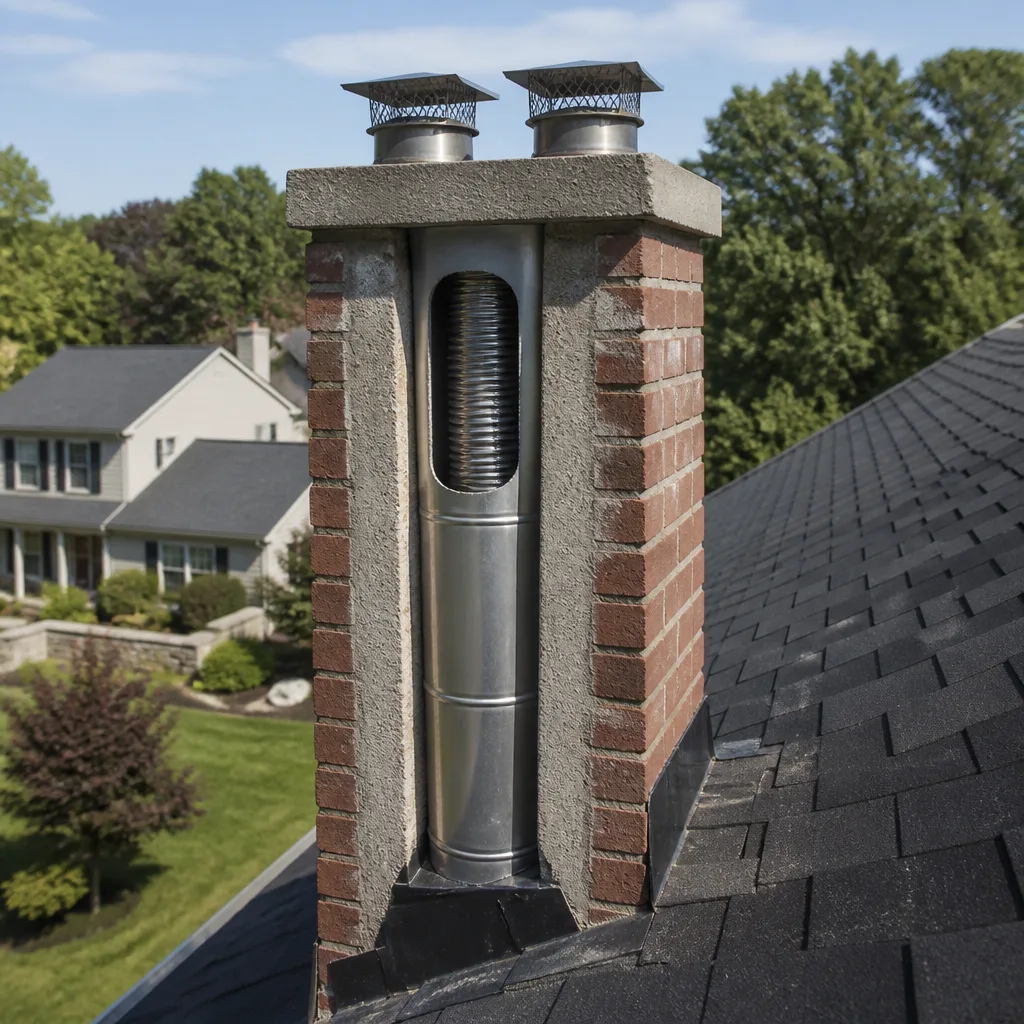
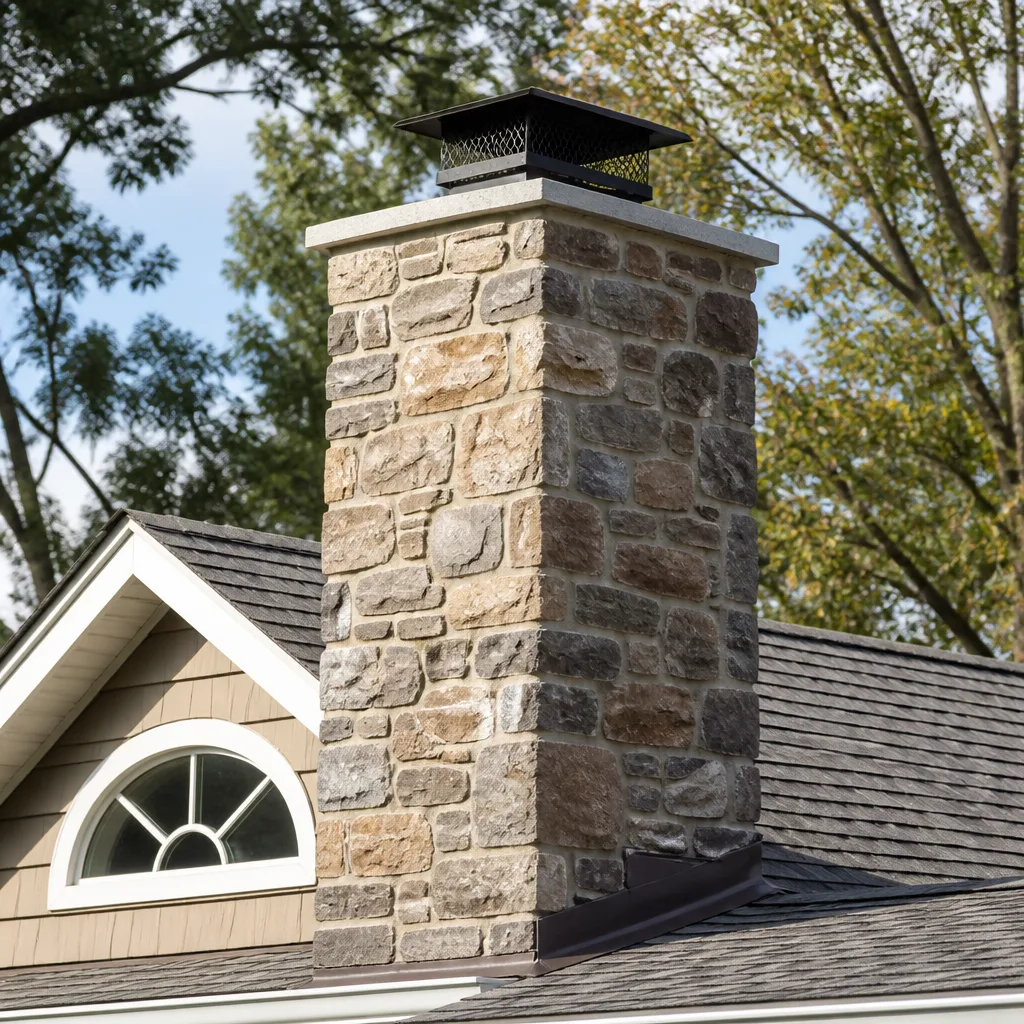
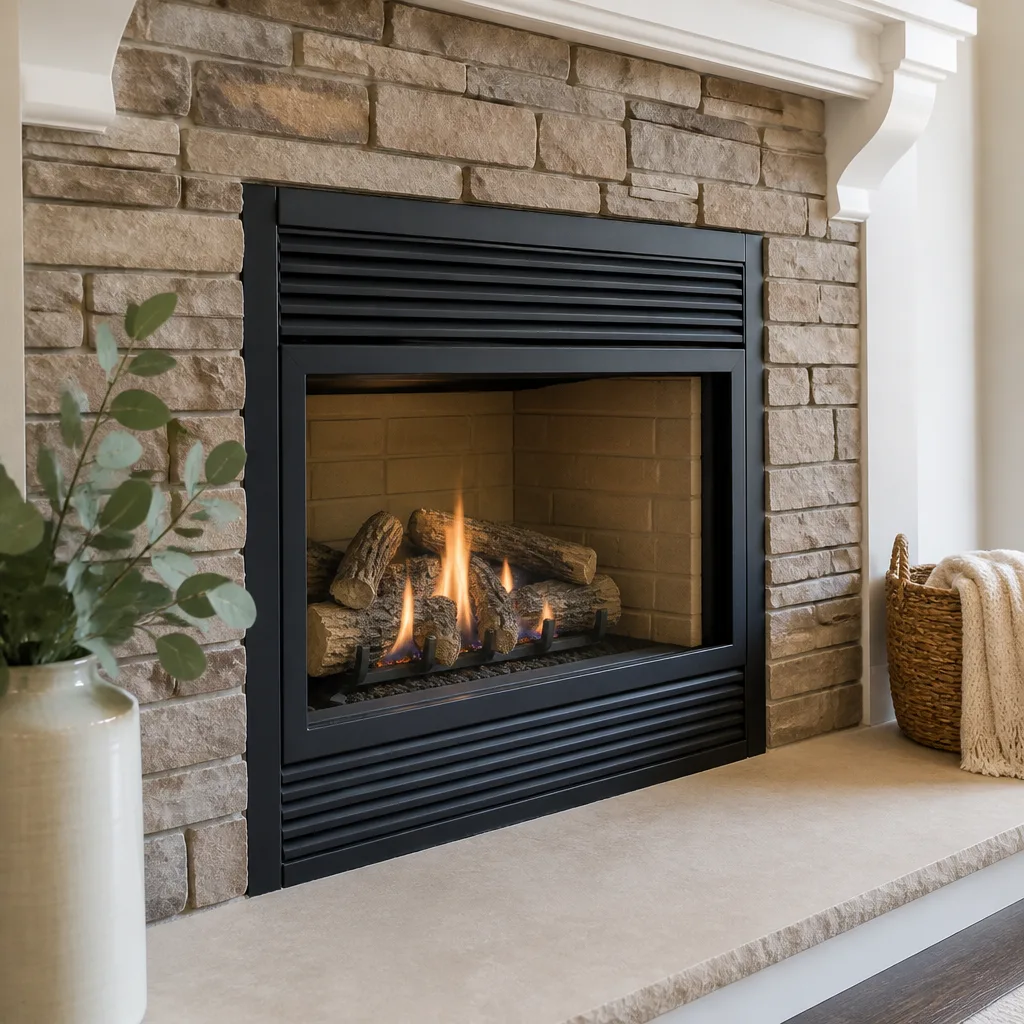
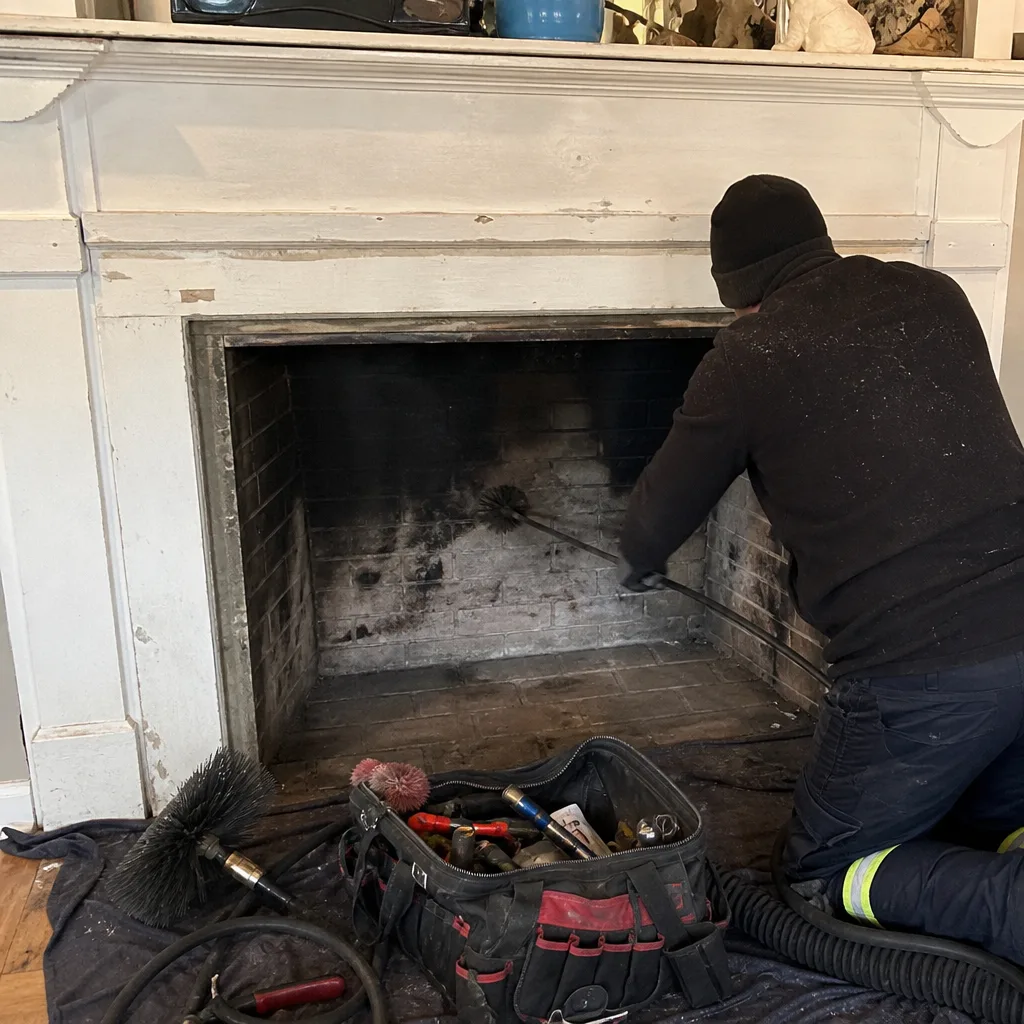 Before
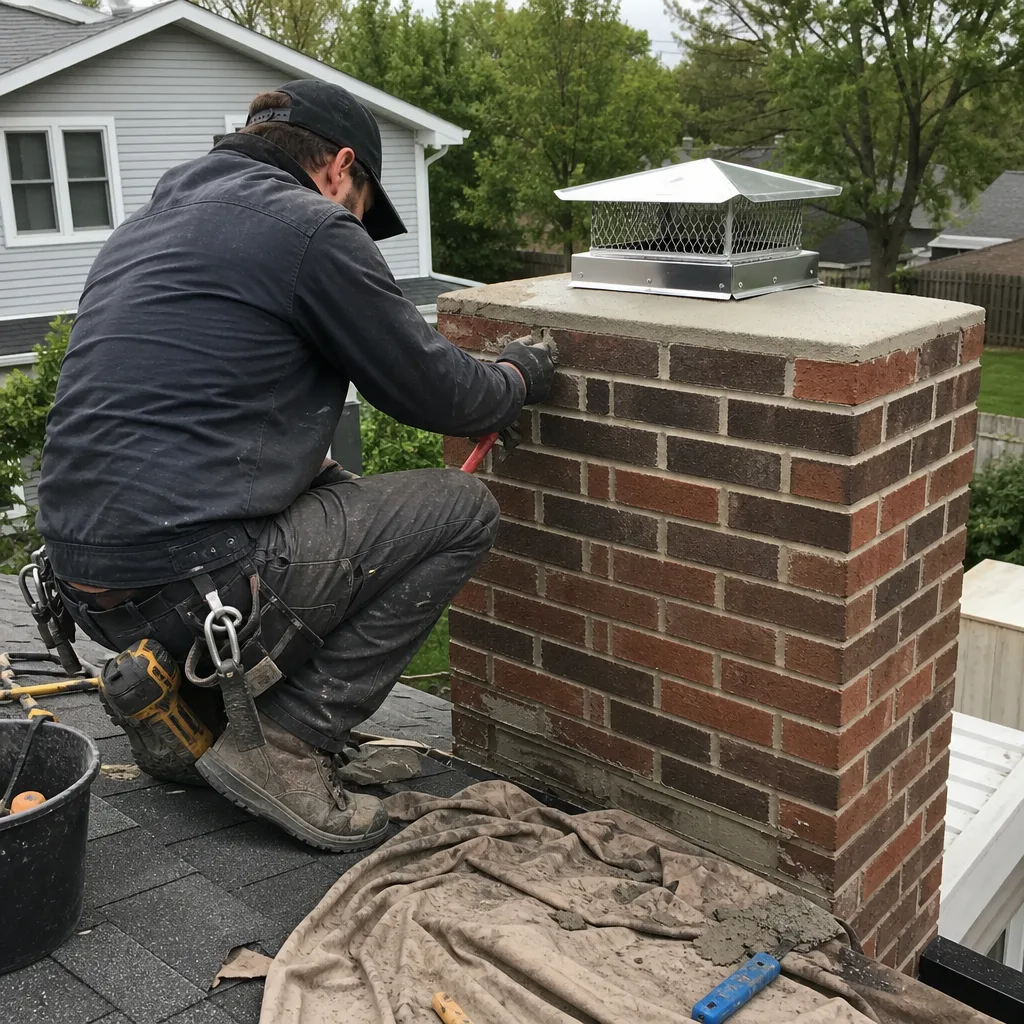 After
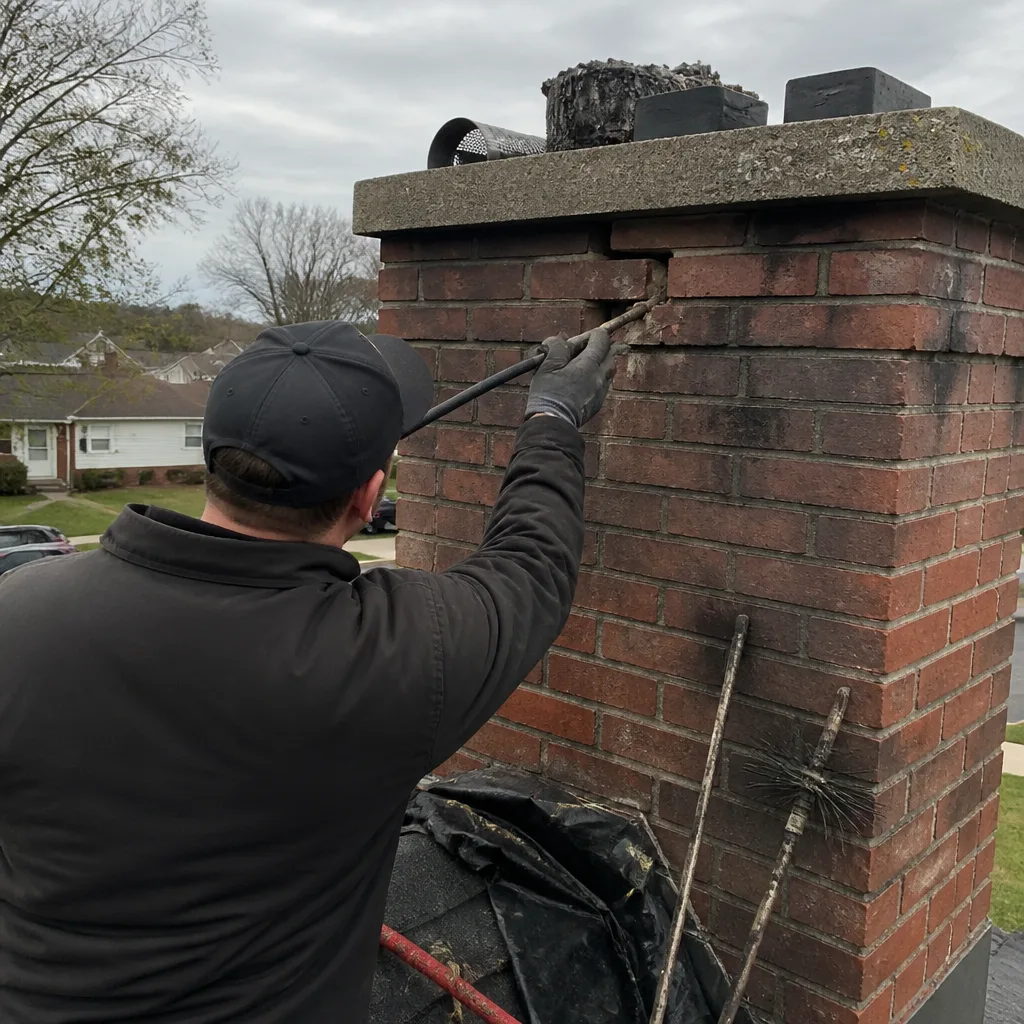 Before
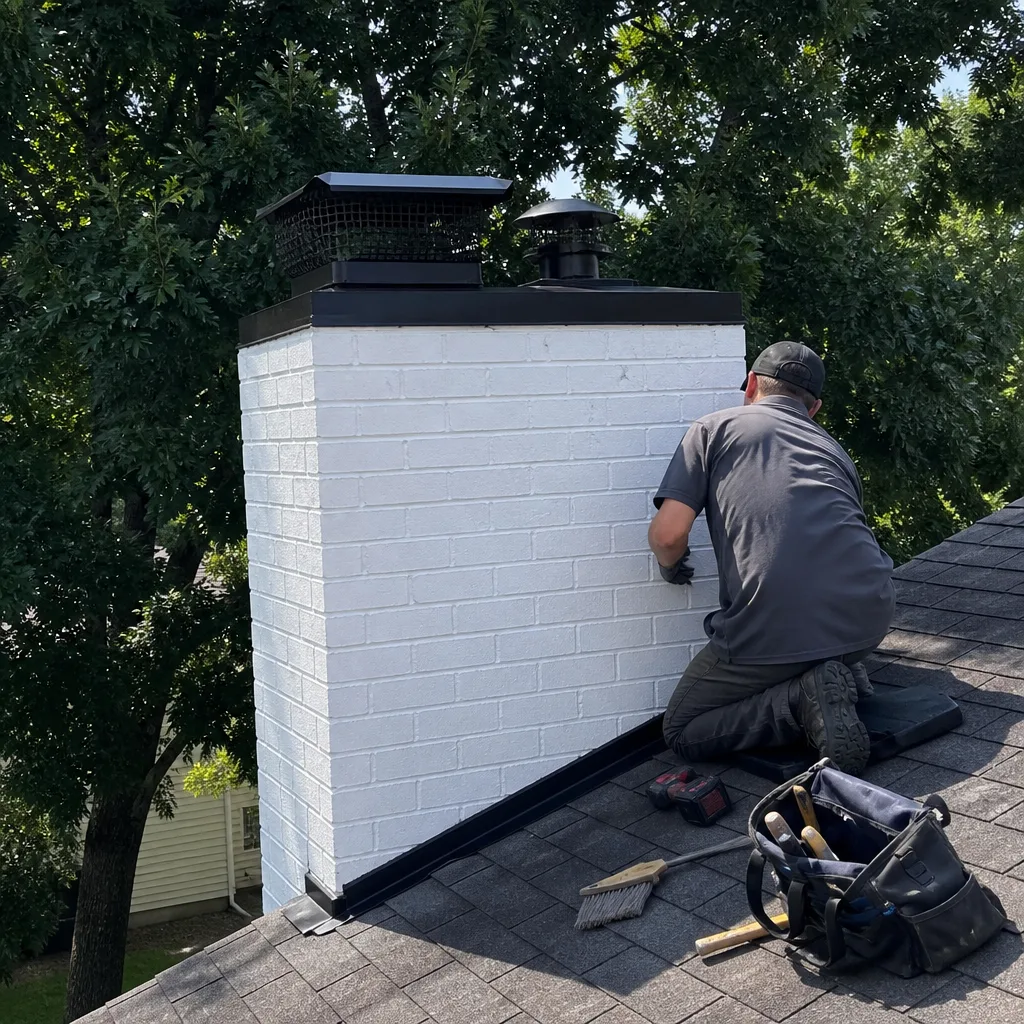 After
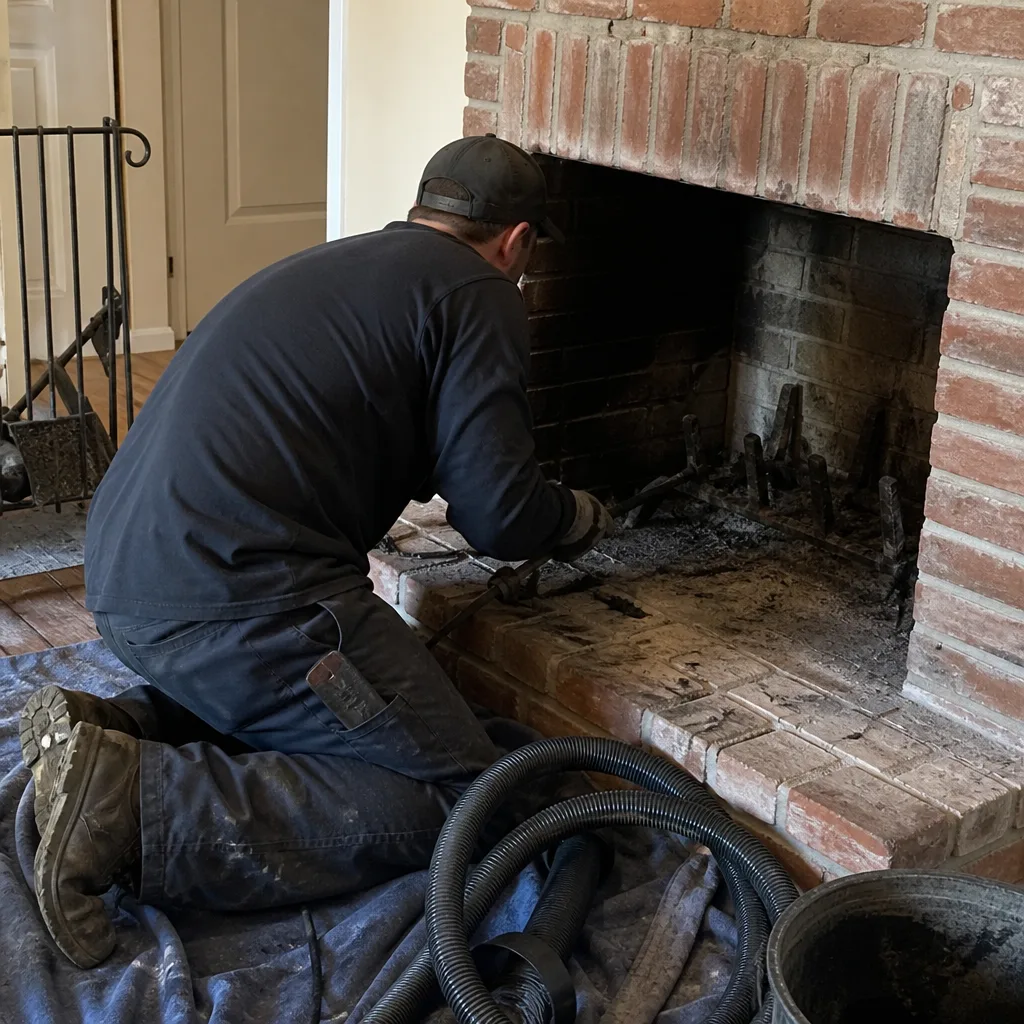 Before
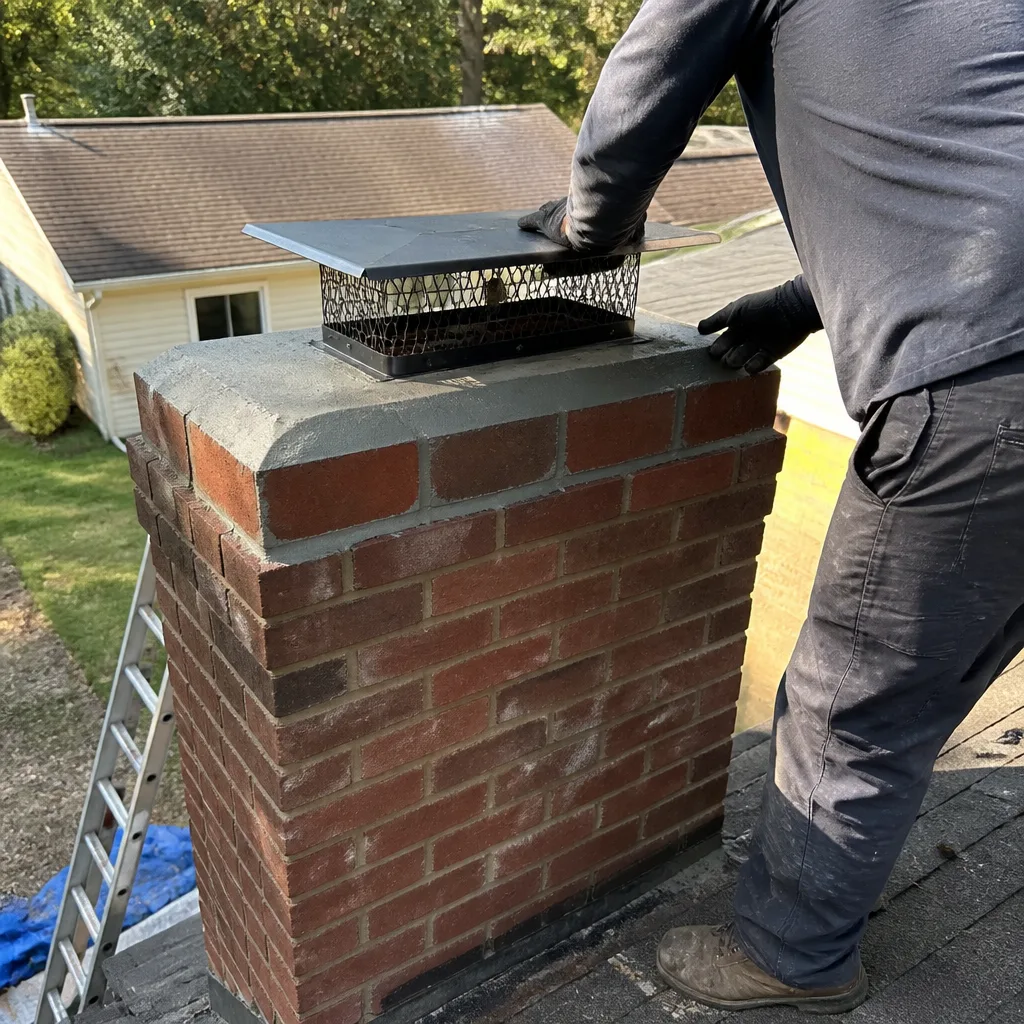 After
Chimney Cleaning Permits, Codes & Inspections in VA: What You Need to Know
No one pulls a permit to sweep a chimney. But the liner repair the sweep recommends right after? That’s a different story - and skipping that permit can void your homeowner’s insurance if a fire traces back to that work. In Chesapeake and across Virginia, we’ve seen homeowners save a few hundred dollars on unpermitted repairs, then lose tens of thousands when an insurance adjuster discovers the work was never inspected. This Complete Guide to Chimney Cleaning in Chesapeake explains exactly where routine chimney cleaning ends and regulated work begins, what codes actually apply in Virginia, and how to protect yourself with documentation that holds up.
Quick Answer
Chimney cleaning and sweeping do not require a building permit in Virginia. However, liner replacements, firebox rebuilds, structural repairs, and new chimney cap or crown installations typically do require permits under local building codes. In Chesapeake, the Building Inspections Division enforces the Virginia Uniform Statewide Building Code, which references NFPA 211 as the practical standard for chimney construction and repair. Homeowners should always request permit documentation and final inspection sign-off for any regulated work.
Table of Contents
- Where Chimney Cleaning Ends and Permitted Work Begins
- Virginia Building Codes and NFPA 211: What Actually Applies
- Chesapeake-Specific Permit Requirements and Triggers
- Level 2 Inspections and Real Estate Transactions
- How to Request and Verify Contractor Documentation
- Why Permits Matter for Insurance and Resale
- Common Mistakes to Avoid
- When to Call a Professional
- Frequently Asked Questions
Where Chimney Cleaning Ends and Permitted Work Begins
The distinction matters because it determines who bears liability if something goes wrong. A licensed chimney sweep can clean your flue, inspect it with a camera, and tell you what condition it’s in. That sweep cannot legally replace a liner, rebuild a firebox, or install a new crown without pulling the proper permits - unless they also hold a Virginia Class A, B, or C contractor license with the appropriate specialty designation.
Here’s the breakdown we use with Chesapeake homeowners after every Level 2 inspection:
Work That Typically Does NOT Require a Permit
- Routine chimney sweeping and creosote removal
- Visual and camera inspections (Level 1 and Level 2)
- Minor mortar joint repointing that does not alter structural capacity (under $1,000 in many jurisdictions, though this threshold varies)
- Chimney cap removal and replacement with identical specifications on existing flue tiles
- Waterproofing sealant application to exterior masonry
Work That Typically DOES Require a Permit
- Chimney liner replacement or relining (stainless steel, cast-in-place, or thermocrete)
- Firebox rebuild or refractory panel replacement that alters dimensions or clearances
- Smoke chamber parging or modification
- Crown replacement that changes the original design or dimensions
- Structural chimney repair, including partial or full rebuilds
- New chimney construction or flue additions
- Gas log set or insert installation (requires gas line permit separately)
In our experience across Chesapeake neighborhoods from Great Bridge to Deep Creek, the most common trigger is liner replacement. A clay flue tile cracks - often from thermal shock after years of use - and the homeowner needs a stainless steel liner. See our Chimney Cleaning Warning Signs for other red flags Chesapeake homeowners should watch for. That’s permitted work. The sweep who found the crack can recommend it. But the actual installation requires a permit, inspection, and sign-off.
We’ve also seen confusion around chimney caps. A standard cap replacement on existing flue tiles usually doesn’t require a permit. But if the flue is deteriorated and the cap installation involves rebuilding the top course of brick or pouring a new concrete crown, you’re now in permitted territory. The difference is structural modification versus maintenance.
The Chimney Cleaning & Sweep in Chesapeake page covers what our sweeps can do without permits. This guide covers everything else.
Virginia Building Codes and NFPA 211: What Actually Applies
Virginia operates under the Virginia Uniform Statewide Building Code (VUSBC), which adopts the International Building Code with state-specific amendments. The VUSBC does not contain detailed chimney construction standards. Instead, it references NFPA 211: Standard for Chimneys, Fireplaces, Vents, and Solid Fuel-Burning Appliances as the accepted standard for design, installation, and maintenance.
This matters because NFPA 211 is not state law. It’s a consensus standard published by the National Fire Protection Association. But Virginia building inspectors enforce it as if it were law because the VUSBC explicitly adopts it by reference. When a Chesapeake inspector examines a liner installation or firebox rebuild, they’re checking against NFPA 211 requirements - clearances to combustibles, liner sizing, proper connections, and adequate chimney height.
Key NFPA 211 Requirements That Trigger Permits
- Liner sizing: The liner must be correctly sized to the appliance. An oversized liner for a fireplace insert causes drafting problems and creosote buildup. An undersized liner for a wood stove creates overheating risks.
- Clearance to combustibles: Minimum 2 inches between masonry chimney and framing members, or as specified by listed factory-built chimney systems.
- Chimney height: Must extend at least 3 feet above the roof penetration and 2 feet higher than any portion of the building within 10 feet.
- Liner material: Must be appropriate for the fuel type. Stainless steel liners for wood-burning must be 316Ti or 304 grade minimum; gas appliances require aluminum or specific stainless grades.
- Factory-built chimney listings: All components must be installed per manufacturer instructions and maintain UL 103 or UL 1777 listing.
We use DuraFlex and Olympia Chimney stainless steel liners precisely because they carry the listings and documentation that Chesapeake inspectors recognize. When we pull a permit for a liner installation, we submit the product cut sheets with the application. The inspector knows what to look for because the materials are familiar and properly certified.
Homeowners sometimes ask why they can’t just use whatever liner a handyman finds online. The answer is simple: unlisted materials fail inspection. The permit gets red-tagged. The work stops. And you’re paying twice - once for the cheap liner, once for us to remove it and install something that passes.
The Chimney Repair in Chesapeake page details our repair process, including when we identify permitted work during inspection.
Chesapeake-Specific Permit Requirements and Triggers
Chesapeake’s Building Inspections Division operates under the Virginia Uniform Statewide Building Code with local amendments. The city requires permits for structural work, mechanical systems, and gas line modifications. For chimneys, the practical triggers align with state code, but Chesapeake has specific processes worth understanding.
When Chesapeake Requires a Chimney Permit
| Type of Work | Permit Required? | Inspection Points |
|---|---|---|
| Routine sweeping and inspection | No | None |
| Liner replacement (any material) | Yes | Rough inspection after installation, final inspection after connection |
| Firebox rebuild or modification | Yes | Framing/rough, firebox construction, final |
| Crown replacement (same dimensions) | Sometimes no | None if truly like-for-like |
| Crown replacement (modified design) | Yes | Form/rough, final |
| Chimney cap on existing flue | No | None |
| Cap installation with top rebuild | Yes | Masonry rough, final |
| Smoke chamber parging | Yes | After parging completion, before closure |
| Full or partial chimney rebuild | Yes | Foundation/footing (if applicable), lift/rough, final |
Permit fees in Chesapeake vary by project value. A typical liner replacement permit runs $75-$150. A full chimney rebuild permit can reach $300-$500 depending on valuation. These fees are trivial compared to the cost of unpermitted work discovered at sale or after a fire.
Chesapeake’s climate creates specific conditions that make proper permitting especially important. Our proximity to the Atlantic means higher humidity and more freeze-thaw cycles than inland Virginia. Crown cracks develop faster. Liner corrosion accelerates. We’ve replaced liners in South Norfolk homes where salt air degraded lesser-grade stainless in under eight years. The permit process ensures that materials and methods are appropriate for local conditions, not just generic national standards.
Neighborhoods like Great Bridge and Hickory have older housing stock - 1960s and 1970s ranches with original clay flue tiles. These chimneys weren’t designed for modern high-efficiency inserts. When homeowners add an insert without proper relining, they create a hazard that proper permitting would catch. We’ve seen it repeatedly: the insert installer skips the permit, the homeowner sells five years later, and the buyer’s inspector flags the unlisted installation. The sale stalls. The homeowner calls us to fix what should have been done correctly the first time.
The permit application process in Chesapeake requires either a licensed contractor or a homeowner acting as their own general contractor. Homeowner permits are permitted for single-family residences, but the homeowner assumes full liability and must coordinate all inspections. Most of our clients prefer we handle the paperwork. We pull the permit, schedule inspections, and ensure sign-off before final billing. It’s included in our project management - no separate fee.
Level 2 Inspections and Real Estate Transactions
Virginia does not legally mandate chimney inspections at property transfer. But mortgage lenders, insurers, and savvy buyers increasingly require them. In Chesapeake’s competitive real estate market, a Level 2 inspection has become standard practice for any home with a fireplace or solid-fuel appliance.
NFPA 211 defines three inspection levels:
- Level 1: Visual inspection of accessible portions - what we do during routine cleaning. No tools, no camera, no roof access required.
- Level 2: Camera inspection of the flue interior, examination of accessible attics and crawl spaces, evaluation of clearances to combustibles. Required at property sale, after chimney fire, or when changing appliance type.
- Level 3: Destructive inspection - removal of building components to access concealed areas. Only when Level 1 or 2 indicates a serious hazard.
The Level 2 inspection is where most permitted work gets discovered. We’re running our camera up the flue and find a cracked liner, or we’re in the attic and see framing too close to the chimney chase. These findings go into our written report with photos the homeowner can see and a plain-English verdict on what needs attention.
Here’s what distinguishes a proper Level 2 from a cursory “inspection” offered by some competitors:
- Camera documentation: Every foot of the flue is video-recorded. We don’t just tell you the liner is cracked; we show you the crack, measure it, and explain what it means for safe operation.
- Attic and crawl space examination: Clearance violations hide in spaces no one looks. We look.
- Written report with photos: Not a checklist. A narrative report with images, explanations, and prioritized recommendations.
- Code reference: When we recommend permitted work, we cite the specific code section or NFPA 211 requirement that applies.
In Deep Creek and Greenbrier, we’ve conducted Level 2 inspections for sellers who thought their chimney was “fine” because it drew well. The camera revealed deteriorated mortar joints between flue tiles - invisible from below, dangerous if pieces fall and block the flue. The seller had two choices: address it before listing and disclose the repair, or risk the buyer’s inspector finding it and renegotiating. Most choose to fix it properly, with permits, so the work is documented and transferable.
The Fireplace Services in Chesapeake page covers our inspection and maintenance offerings in more detail.
How to Request and Verify Contractor Documentation
This is where homeowners protect themselves. Any contractor can say they pulled a permit. Fewer can produce the documentation. Here’s exactly what to request and how to verify it.
Step 1: Request the Permit Application Before Work Begins
A legitimate contractor will have no hesitation showing you the permit application or giving you the permit number to verify. In Chesapeake, you can call the Building Inspections Division at (757) 590-6579 or check online through the city’s permitting portal. The permit should list:
- The contractor’s Virginia license number
- The property address
- A description of work matching what was proposed
- The permit fee paid
Step 2: Confirm Inspection Scheduling
Permitted work requires inspection at specific stages. For a liner replacement, that’s typically a rough inspection after liner installation but before closure, and a final inspection after appliance connection. The contractor should schedule these. You don’t need to be present, but you should know when they’re happening.
Step 3: Request the Final Inspection Approval
This is the critical document. It’s typically a green tag, signed inspection card, or digital approval showing the work passed. Without it, the permit is open, and the work is not legally complete. Open permits become problems at resale - title companies flag them, and some jurisdictions impose penalties.
Step 4: Keep Records with Your Home Files
Permit documentation, inspection approvals, and the contractor’s final invoice should stay with your home records forever. We’ve had Chesapeake homeowners from the 1990s call us for copies because they couldn’t find theirs when selling. We keep records, but you should too.
Red flags that a contractor is cutting corners:
- “We don’t need a permit for this” when the work clearly requires one
- “I’ll pull it after we finish” - permits must be obtained before work begins
- “The permit is in my name, don’t worry about it” - the property address matters, not whose name is on it, but you should still be able to verify
- Refusal to provide permit number or inspection schedule
- Cash-only pricing with no written contract - this often correlates with unpermitted work
We provide every Chesapeake client with a complete permit package: application copy, inspection schedule, final approval, and our written warranty. The 90-Day Done Right Promise covers the workmanship. The permit documentation covers the legal compliance. Both matter.
Why Permits Matter for Insurance and Resale
This is where the abstract becomes concrete. Unpermitted chimney work creates two distinct risks: insurance denial and transaction failure.
Insurance Risk
Homeowner’s insurance policies contain standard language requiring that the home be maintained to code and that any alterations be properly permitted. If a fire originates in or near a chimney with unpermitted work, the insurer will investigate. They’ll request permit records. If none exist, they may deny the claim based on material misrepresentation or failure to maintain the property.
We’ve seen this once in our 42 years - a Chesapeake homeowner in Western Branch had a chimney fire that traced to an unpermitted liner installation by a previous owner. The insurer denied the claim. The homeowner sued the previous owner, who had used an unlicensed contractor and had no recourse. The litigation lasted three years. The house sat damaged. All because someone saved $200 on a permit fee a decade earlier.
Most insurers won’t proactively inspect your chimney. But after a loss, they will. The permit is your proof that the work met code when installed.
Resale Risk
Virginia requires sellers to disclose known defects and material facts affecting the property. An open permit or unpermitted modification is a material fact. Title companies in Chesapeake routinely run permit searches. Open permits must be closed before closing. Unpermitted work may require retroactive permitting - which means opening walls, exposing the work for inspection, and potentially redoing it if it doesn’t meet current code.
Current code, not code at time of installation. This is crucial. A liner installed in 2010 without a permit, discovered in 2024, must meet 2024 standards. Those standards may be stricter. The cost of retroactive compliance often exceeds the original installation.
In Great Bridge and Hickory, where homes from the 1970s and 1980s turn over frequently, we’ve been called in to permit and inspect work done years ago. It’s always more expensive than doing it right the first time. Sometimes it requires removing finished basement ceilings to expose chimney chases. Sometimes it requires rebuilding work that was adequate but not documented.
The Hearthstone Chimney Co. home page links to all our services, including permit coordination for complex repairs.
Common Mistakes to Avoid
- Assuming cleaning includes everything. A sweep cleans the flue. They don’t replace liners or rebuild fireboxes. Don’t conflate maintenance with repair, and don’t let a sweep perform repairs they’re not licensed to permit.
- Accepting “permit not needed” at face value. Verify independently. Call Chesapeake Building Inspections with the proposed work description. A five-minute call saves years of problems.
- Hiring based on lowest price without checking license status. Virginia Department of Professional and Occupational Regulation (DPOR) maintains an online license lookup. Unlicensed contractors can’t pull permits. If they offer to do permitted work, they’re either lying or using someone else’s license - both are illegal.
- Not requesting final inspection documentation. An open permit is almost as bad as no permit. We’ve seen Chesapeake homeowners discover open permits from work done fifteen years ago when refinancing.
- Ignoring neighborhood-specific conditions. In South Norfolk and portions of Deep Creek, older homes have unlined brick chimneys or transite flues. These require specific remediation approaches. A contractor unfamiliar with Chesapeake’s housing stock may specify the wrong solution.
- Skipping Level 2 inspection before buying. The standard home inspector looks at what they can see. They don’t run cameras up flues. In our experience, one in three Chesapeake home inspections we conduct finds conditions the general inspector missed.
- Throwing away permit paperwork. Keep it with your deed, mortgage documents, and insurance policies. Digital copies are fine, but originals in a file folder are better.
When to Call a Professional
Call a licensed chimney professional when your annual inspection reveals anything beyond surface creosote, when you’re buying or selling a home with a fireplace, when you’ve changed your heating appliance, or after any chimney fire - however small. In Chesapeake, where humidity and salt air accelerate deterioration, we also recommend professional evaluation if your chimney is more than thirty years old and has never had a camera inspection.
Hearthstone Chimney Co. offers free estimates in Chesapeake. We’ll inspect your chimney, explain what we find with photos you can see and a plain-English verdict, and tell you plainly what requires permits and what doesn’t. You can also browse more guides & resources on our blog. If work is needed, we handle permit pulling, inspection scheduling, and final sign-off. No surprises on the bill - the number on the estimate is the number on the invoice. Call (757) 590-6579 to schedule.
Frequently Asked Questions
No. Routine chimney sweeping, creosote removal, and standard inspections do not require a building permit anywhere in Virginia, including Chesapeake. Permits are required for structural repairs, liner replacements, firebox rebuilds, and new construction. If a sweep recommends work beyond cleaning, ask specifically whether that work requires permitting.
A permitted stainless steel liner replacement in Chesapeake typically ranges from $2,800 to $5,500 depending on flue length, diameter, number of appliances connected, and accessibility. The permit fee itself is usually $75-$150. We provide no-hassle upfront pricing that includes permit coordination, and we use professional-grade DuraFlex or Olympia Chimney liners with full documentation. Call (757) 590-6579 for an exact quote - estimates are free.
NFPA 211 is the National Fire Protection Association’s standard for chimneys, fireplaces, vents, and solid fuel-burning appliances. Virginia doesn’t adopt it directly as state law, but the Virginia Uniform Statewide Building Code references it by reference. This means Chesapeake building inspectors enforce NFPA 211 requirements during permitted chimney work. Contractors who don’t know NFPA 211 shouldn’t be doing regulated chimney work.
NFPA 211 recommends annual inspection for all chimneys, fireplaces, and vents. In Chesapeake’s climate, with higher humidity and freeze-thaw cycles than inland Virginia, we agree with this annual schedule. Homes in flood-prone areas like South Norfolk or near the Elizabeth River may need more frequent evaluation for water damage. An annual Level 1 inspection during cleaning catches most issues before they require permitted repairs.
Skipping required permits creates three risks: your homeowner’s insurance may deny claims related to the unpermitted work; you may face penalties or required rework if discovered by the city; and unpermitted work becomes a disclosure issue at sale, potentially blocking transactions or requiring expensive retroactive permitting. The money saved skipping a permit is rarely worth the downstream cost.
This depends entirely on what the inspection shows. Cracked flue tiles, gaps between tiles, or visible deterioration in a camera inspection mean the chimney is not safely containing combustion byproducts. Carbon monoxide can leak into living spaces. Creosote can penetrate cracks and ignite adjacent framing. We show you the photos, explain the hazard level, and tell you honestly when work can safely wait versus when it shouldn’t. No recommendation without camera evidence you can see for yourself.
A standard home inspection is visual and general - the inspector looks at what they can access without specialized tools. A Level 2 chimney inspection uses a camera to examine the full flue interior, checks attics and crawl spaces for clearance violations, and evaluates the chimney against NFPA 211 standards. In Chesapeake, we’ve found that general home inspectors miss approximately 30% of significant chimney conditions that a Level 2 inspection catches. For any home with a fireplace or solid-fuel appliance, a Level 2 inspection is worth the additional cost before purchase.
The Bottom Line
Chimney cleaning doesn’t require a permit. Most repairs uncovered during cleaning do. In Chesapeake and across Virginia, the line between maintenance and regulated work is clear once you know what to ask. NFPA 211 sets the technical standard. The Virginia Uniform Statewide Building Code makes it enforceable. And Chesapeake’s Building Inspections Division ensures work meets that standard through permitting and inspection.
The homeowners who fare best are those who document everything: the camera inspection that found the problem, the permit that authorized the repair, the inspection that verified compliance, and the warranty that backs the workmanship. That documentation protects your insurance coverage, your property value, and your family’s safety.
We’ve been serving Chesapeake for over 42 years. We’ve seen what happens when work is done right, and when it isn’t. The difference is always in the details that get documented - or don’t.
Written by Russell Haines, Owner at Hearthstone Chimney Co., serving Chesapeake since 2014.