
Last updated September 10, 2026
Level 1 sweep and inspection to the NFPA 211 annual standard - flue, crown, cap, and flashing checked and photographed
Chimney sweep logs do not sweep chimneys. They loosen some creosote - which then falls where a brush and vacuum still have to collect it.
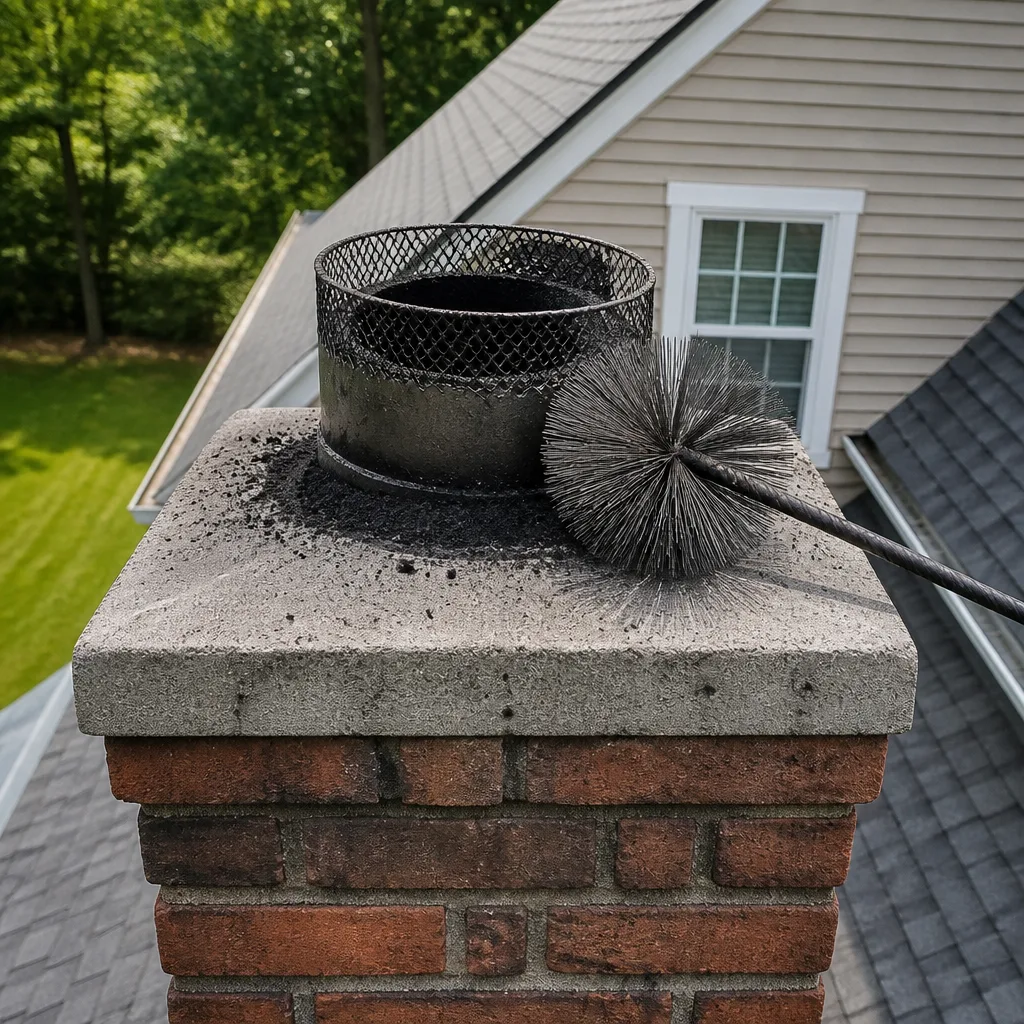
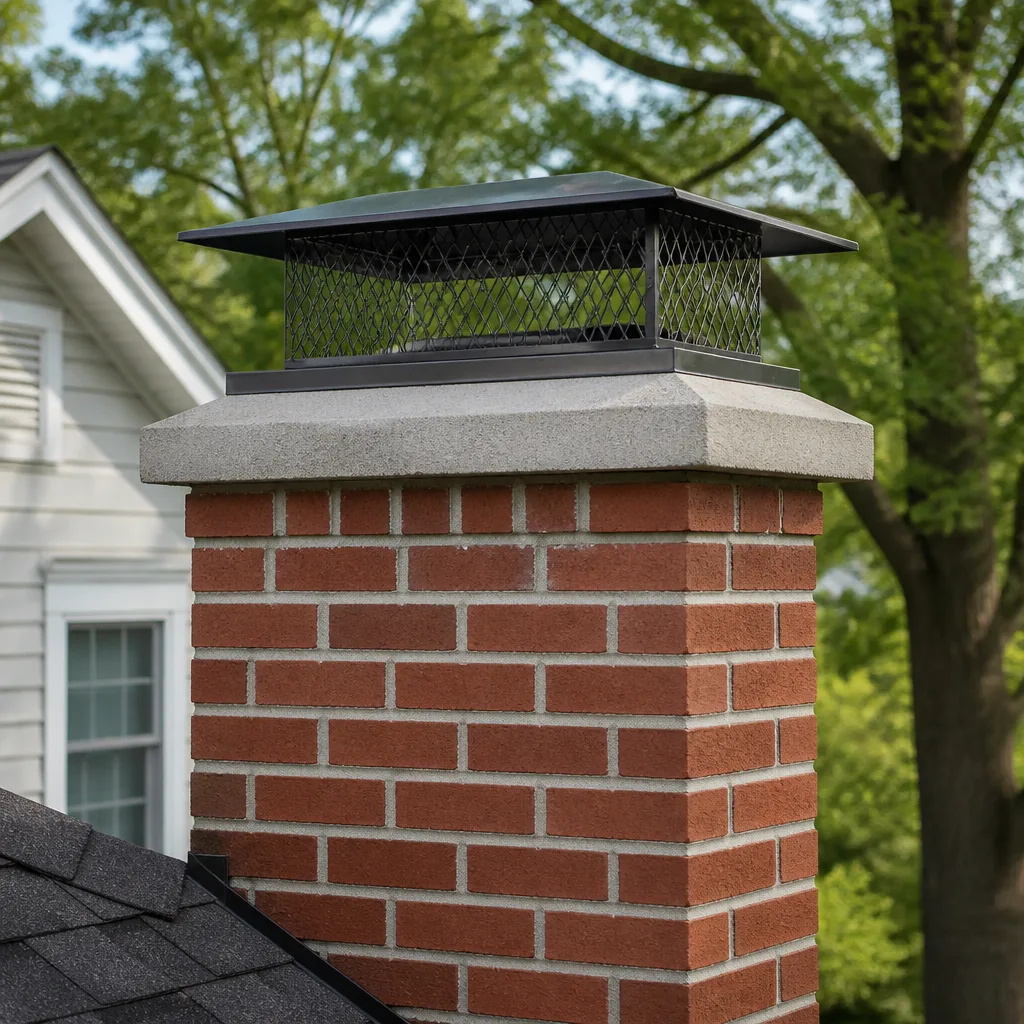
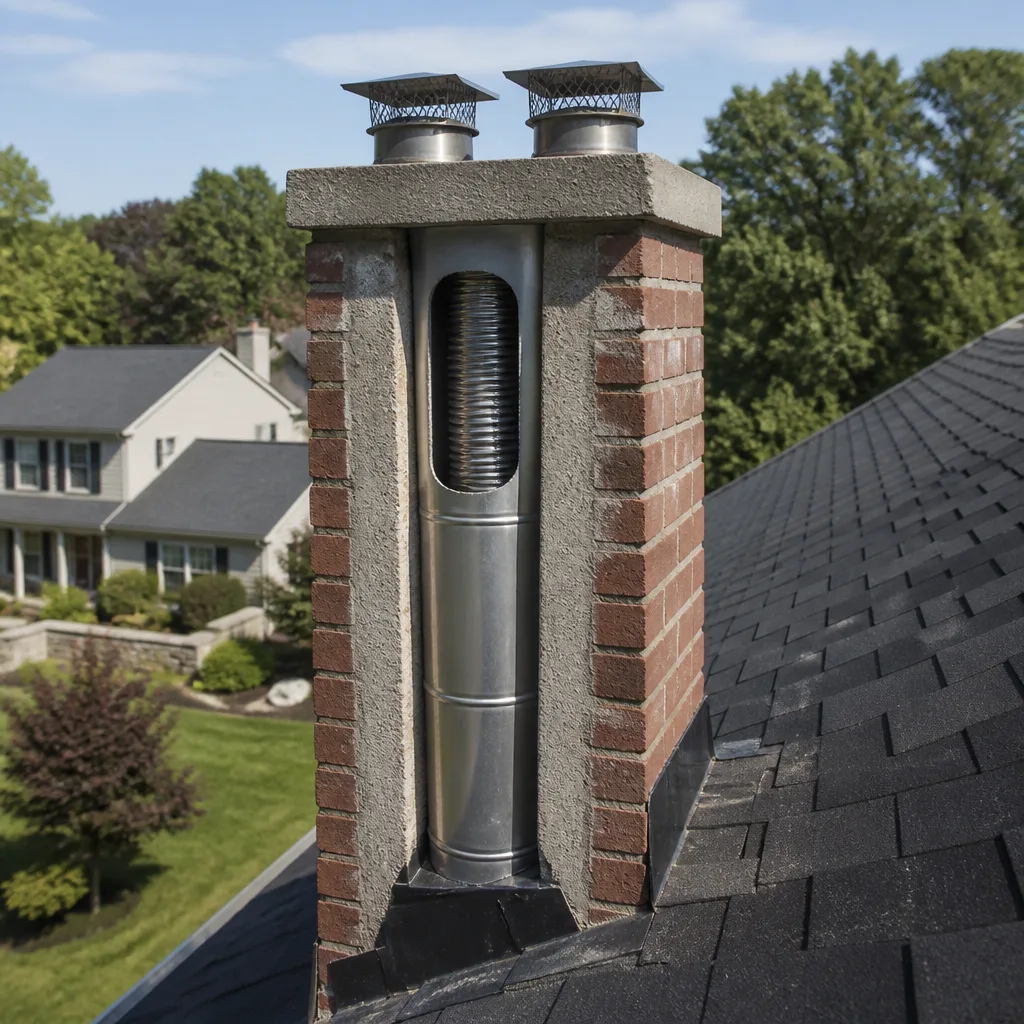
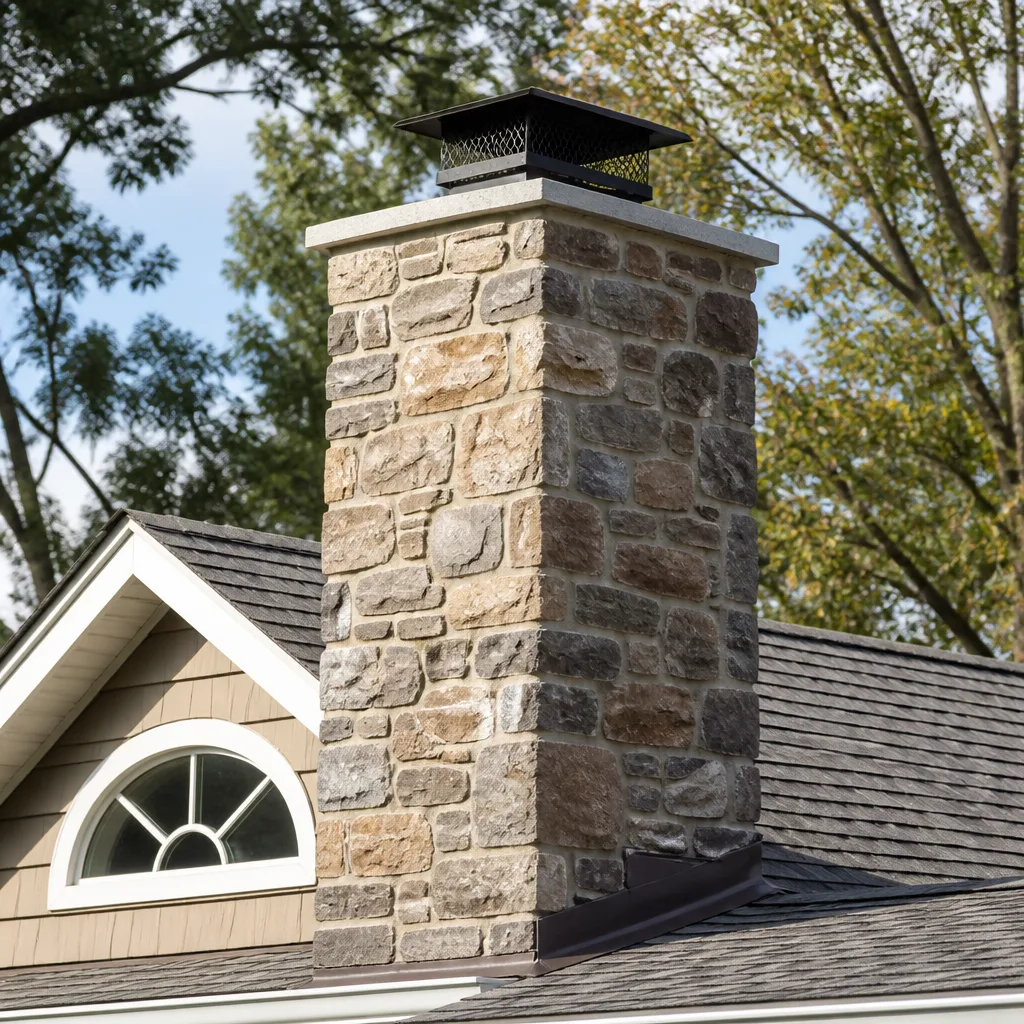
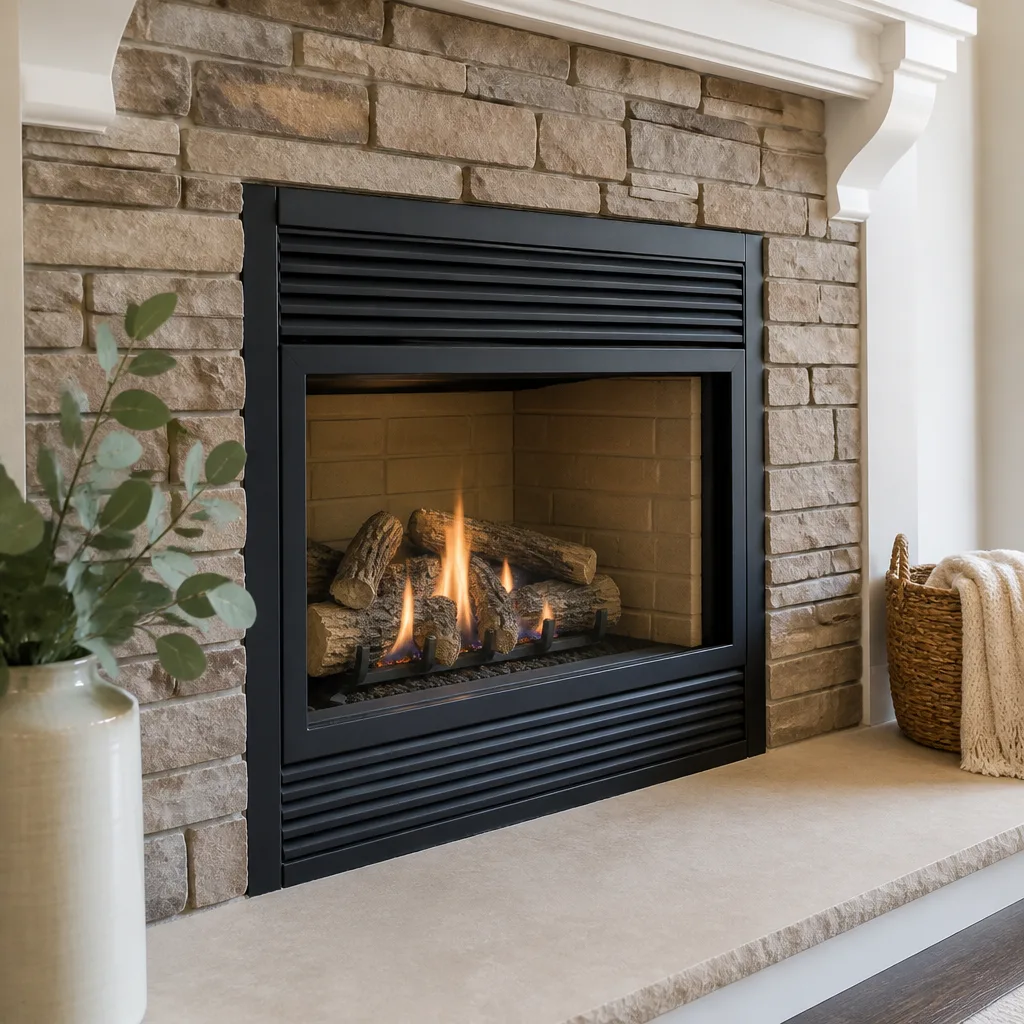
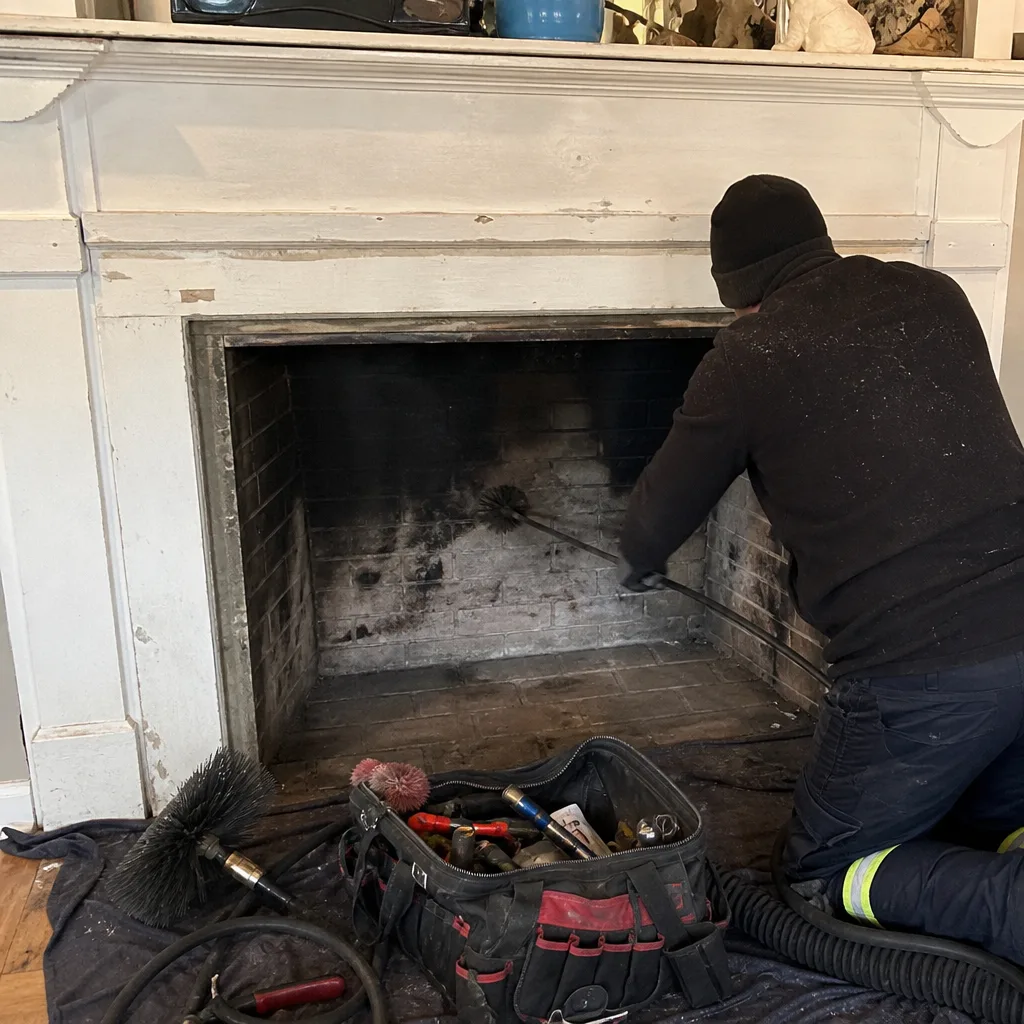 Before
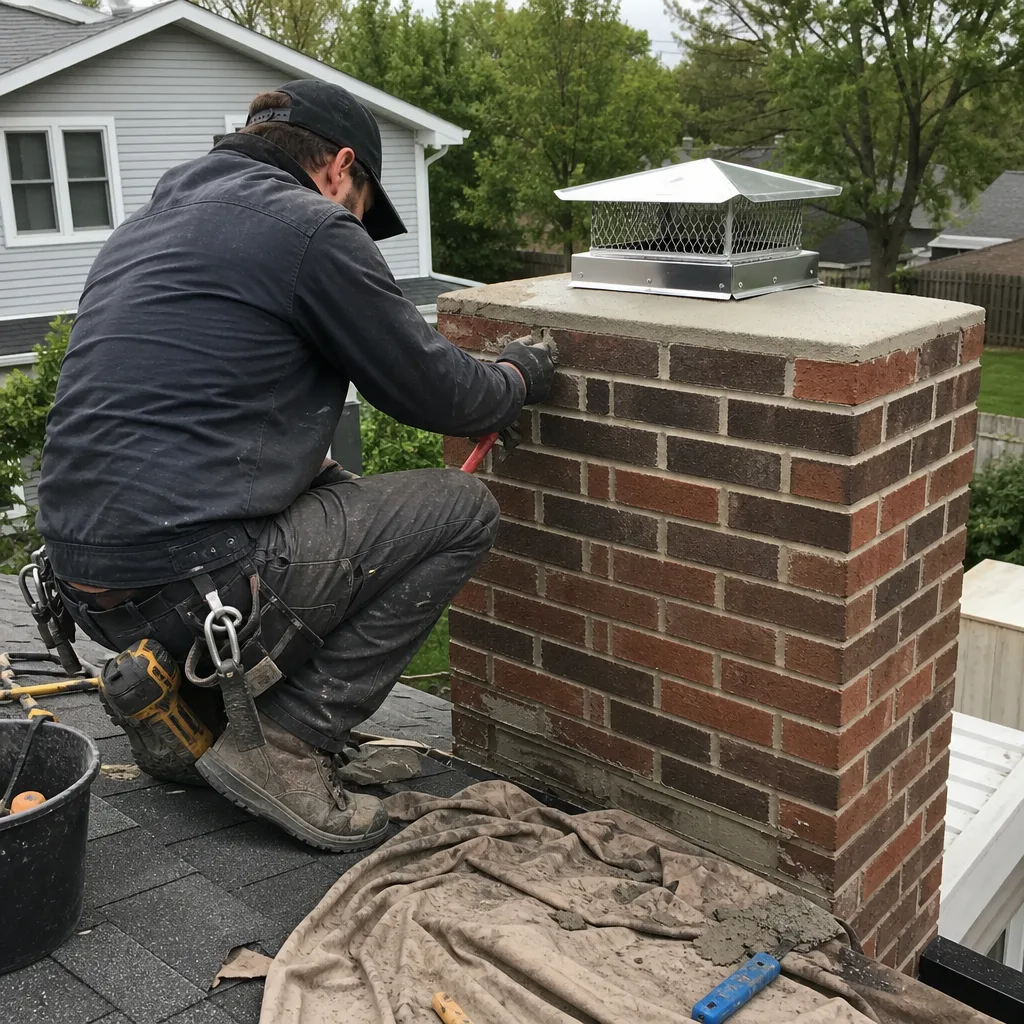 After
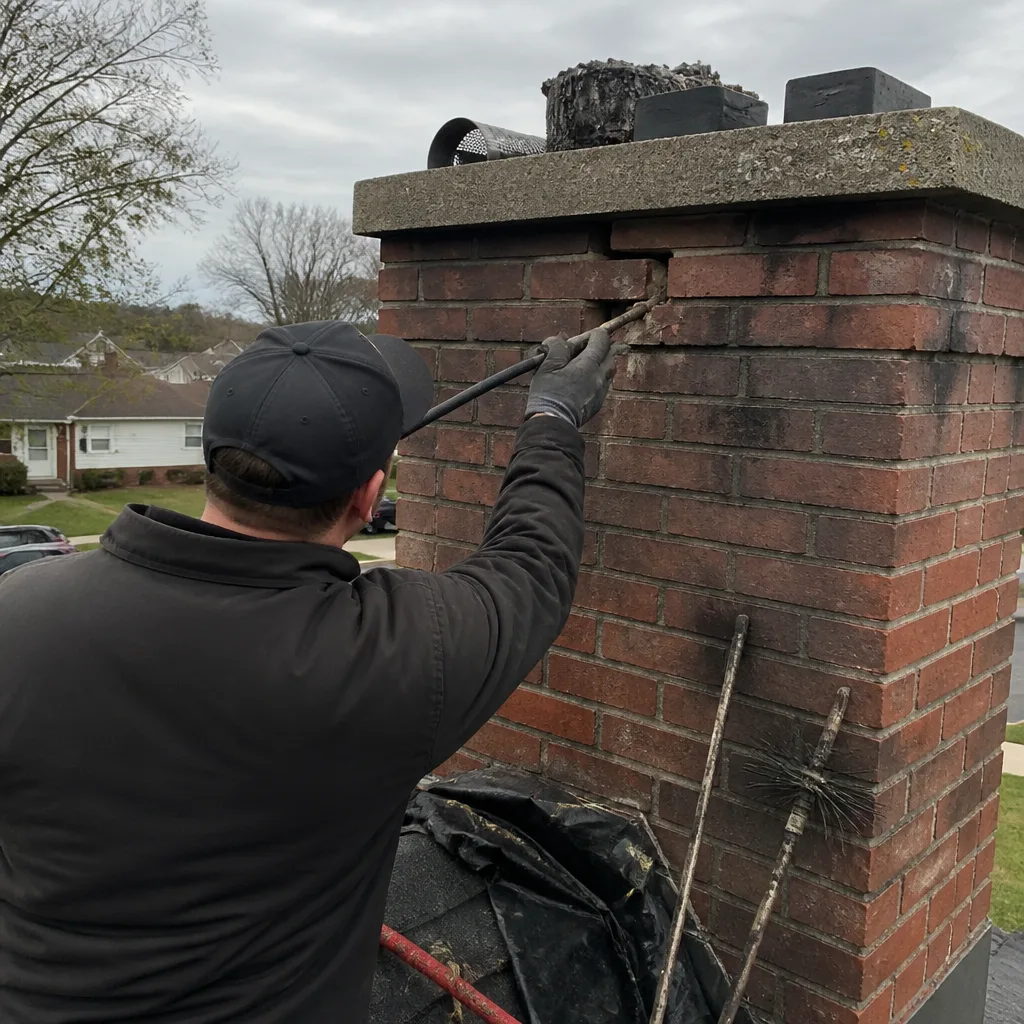 Before
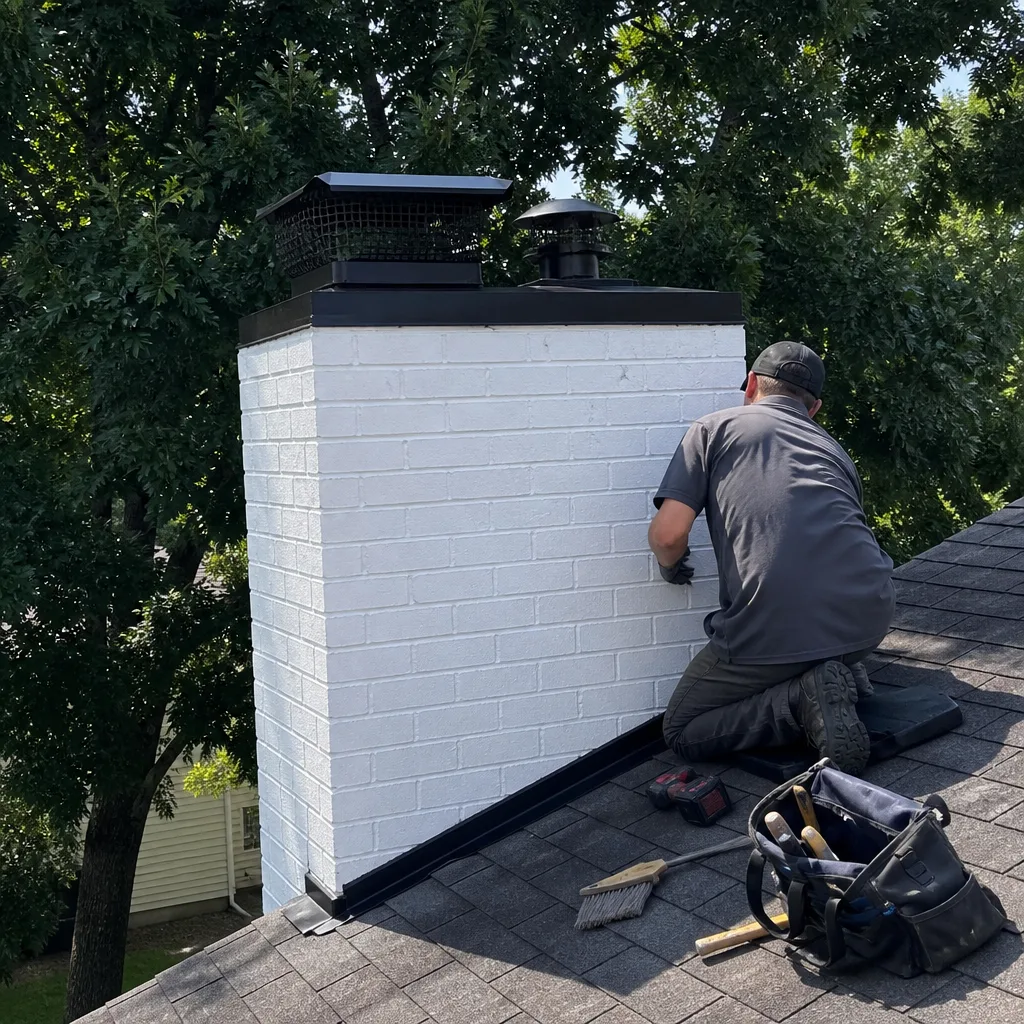 After
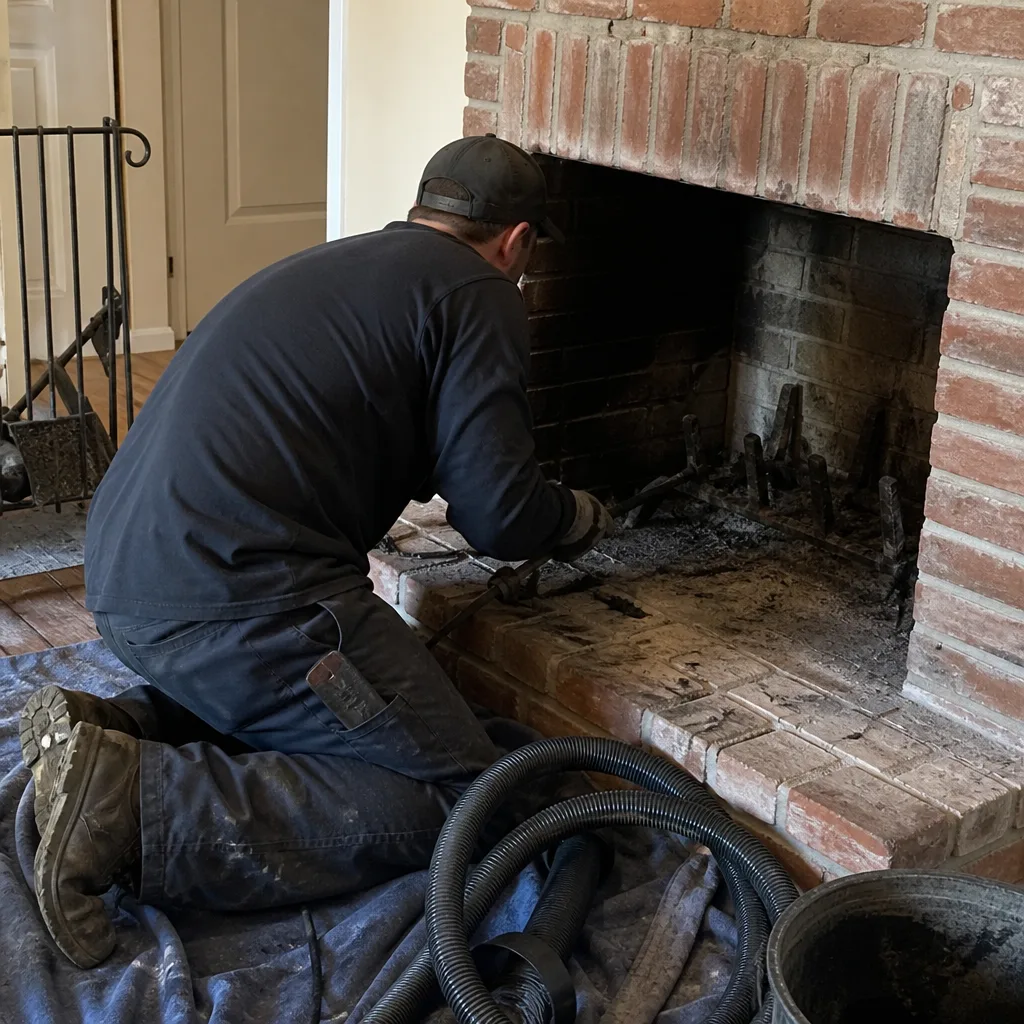 Before
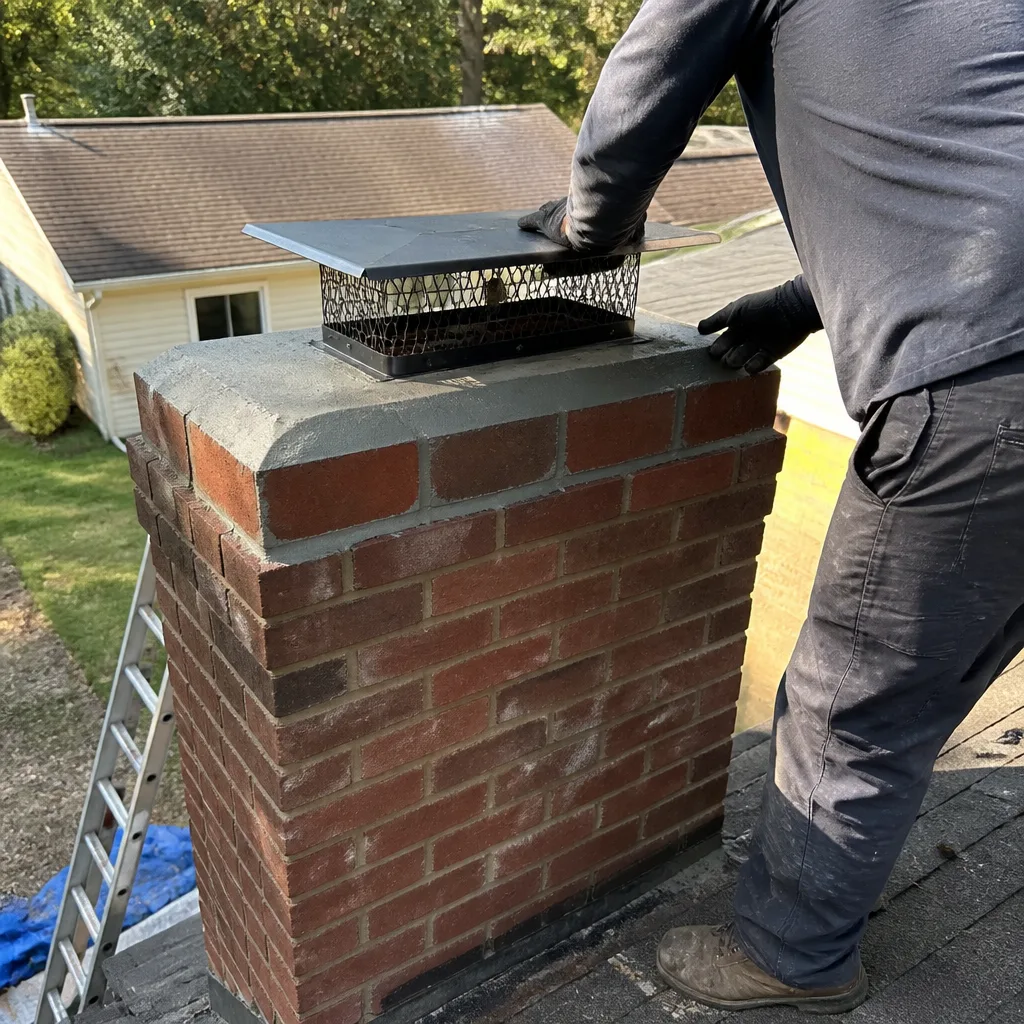 After
Chimney Cleaning & Sweep Maintenance Checklist for Chesapeake Homeowners
The most dangerous item on any chimney checklist is a vague one. “Check for blockages” tells you nothing if you don’t know what a blockage looks like, smells like, or sounds like from inside your living room. After 42 years in this trade, we’ve learned that Chesapeake homeowners don’t need another intimidating technical manual. They need a clear boundary: what you can verify safely from your hearth, and what demands a trained set of eyes, a camera, and a ladder. This guide draws that line in plain language. You’ll learn the seasonal triggers that matter in Hampton Roads, the five shortcuts that rushed sweeps hope you won’t notice, and how a simple chimney log can save you hundreds on every future service call.
Quick Answer
A proper chimney maintenance checklist for Chesapeake homeowners includes four checks you can perform from inside your home (damper operation, smoke odor at rest, visible firebox debris, and ground-level cap inspection), three seasonal triggers tied to local weather patterns (post-hurricane cap check, pre-first-fire creosote assessment, and post-freeze mortar scan), and documentation habits that protect you during service disputes. Everything involving the flue interior, roofline components, or combustion safety requires professional equipment and training.
Table of Contents
- What You Can Check From Inside Your Home
- Chesapeake Seasonal Triggers: When to Act
- What to Document Before Calling a Sweep
- The Five Shortcuts Rushed Sweeps Take
- How to Keep a Chimney Service Log
- What Chimney Maintenance Costs in Chesapeake
- Common Mistakes to Avoid
- When to Call a Professional
- Frequently Asked Questions
What You Can Check From Inside Your Home
Every fall, we field calls from Chesapeake homeowners who climbed a ladder they shouldn’t have, or who stared up a flue with a flashlight and saw nothing meaningful. The truth is, most early warning signs announce themselves from the warmth of your living room. You just need to know what to notice.
1. Damper Function Test
Open your damper fully. You should feel cool air drop from the flue, and the metal plate should move smoothly without grinding or catching. Close it completely. Hold a lit incense stick or thin strip of toilet paper near the closed damper. If smoke or paper drifts upward, your damper isn’t sealing. In Chesapeake’s humid summers, a leaky damper lets conditioned air escape and invites moisture into the flue. That moisture, combined with our coastal salt air, accelerates rust on metal components and deteriorates mortar faster than inland climates.
What a stuck or noisy damper means: creosote buildup on the hinge, warping from past chimney fires, or corrosion. None of these fix themselves.
2. The Smoke Smell Test at Rest
Walk past your fireplace on a humid August afternoon in Great Bridge or Greenbrier. If you smell stale smoke when no fire has burned in months, you have a draft problem, a flue obstruction, or negative pressure pulling air down the chimney. In Chesapeake’s older neighborhoods like South Norfolk and Portlock, we’ve seen this symptom trace back to deteriorated chimney caps that let rain and organic debris enter, then mold and decompose.
Document when you smell it, what the weather was doing, and whether any windows or exhaust fans were running. This pattern helps us diagnose faster.
3. Firebox Visual Inspection
Kneel at the hearth and shine a flashlight up at the smoke chamber and flue throat. You’re looking for:
- Black, flaky deposits thicker than a dime on the walls (creosote)
- White or gray powdery staining (efflorescence, indicating moisture intrusion)
- Cracked or missing firebrick, especially at the rear wall
- Debris: bird nests, leaves, or soot falls from above
- Gaps where the firebox meets the hearth
In our experience across Chesapeake, fireboxes in homes built between 1960 and 1990 show the most thermal cracking. The clay flue liners of that era weren’t always rated for the temperature swings of modern gas inserts.
4. Ground-Level Cap Inspection
You don’t need to climb. Stand at your property line or use binoculars from a second-story window. A proper cap should sit squarely on the crown with intact mesh sides. In Chesapeake, hurricane season ends in November, and we’ve replaced dozens of caps in Deep Creek and Western Branch that loosened in September gusts. Look for:
- Visible tilt or gap between cap and crown
- Missing mesh (invites animal entry)
- Rust streaks running down the chimney face
- Crown cracks wider than a pencil line
If any of these four checks reveal a problem, it’s time for a professional inspection. If they all pass, you still need an annual Level-2 inspection with camera documentation. What you can’t see from inside matters more than what you can.
Chesapeake Seasonal Triggers: When to Act
Chimney maintenance isn’t a once-a-year calendar event. In Hampton Roads, the weather patterns create specific windows where small problems become expensive emergencies.
Post-Hurricane Season Cap Check (November)
After the last named storm passes, inspect your cap from the ground. Chesapeake sits in a zone where tropical systems track regularly. A cap that shifted 3 inches in August winds may have compromised its seal, letting water sheet down the flue all winter. Water in a flue accelerates creosote acidity and deteriorates clay liners. We’ve pulled failed caps in Hickory that looked fine from the street but had lifted enough to funnel gallons into the chase.
Pre-First-Fire Creosote Sniff Test (October)
Before you light the season’s first fire, open the damper and smell upward. A heavy, acrid tar odor means significant creosote accumulation. In Chesapeake’s mild winters, homeowners often burn inconsistently, small fires, which produce more creosote than hot, complete burns. The Greenbrier and Great Bridge areas, with their mature hardwoods, see homeowners burning seasoned oak that still generates substantial deposits because the fires aren’t hot enough.
If you smell tar, don’t burn. Schedule a sweep. Burning over heavy creosote is how chimney fires start in January.
Post-Freeze Mortar Scan (March)
After the last hard freeze, examine exterior mortar joints with binoculars. Chesapeake typically sees 10-15 freeze-thaw cycles annually, enough to exploit any water intrusion. Water enters micro-cracks, expands when frozen, and widens them. By March, the damage is visible as spalling brick faces or crumbling mortar. Homes in South Norfolk with original 1940s-1950s brickwork are particularly susceptible. We’ve rebuilt crowns in spring that were intact in October because freeze-thaw found a single entry point.
Mid-Summer Moisture Audit (July)
Check your firebox for dampness or efflorescence during peak humidity. Chesapeake’s July averages 75% relative humidity. A dry firebox in July confirms your cap and crown are performing. A damp one signals water intrusion that will worsen through fall. Address it before burning season, when sweeps are booked solid and emergency rates apply.
What to Document Before Calling a Sweep
We’ve mediated disputes between homeowners and other contractors where the scope of work ballooned between estimate and invoice. The homeowner had no record of pre-existing conditions. The contractor had no photos. Both parties lost trust and money.
Before any sweep arrives at your Chesapeake home, create a dated record. This protects you and helps us serve you faster.
Photograph These Four Areas
- The firebox from hearth level, showing all walls and the damper throat. Include a newspaper or dated object for scale.
- The hearth extension and surrounding flooring, documenting any existing stains, cracks, or heat damage.
- The exterior chimney from ground level, capturing the full height, crown, cap, and visible flashing.
- The damper mechanism with the flashlight on, showing its condition and range of motion.
Write Down Your Observations
Note: last service date and company name; any odors, smoke spillage, or draft issues from the past year; changes to appliances (new gas insert, stove connection, etc.); and neighborhood context that might matter. In Deep Creek, for instance, new construction nearby can alter wind patterns and affect draft. In Western Branch, mature tree lines drop debris that rural sweeps don’t encounter.
Email yourself this record with the date in the subject line. When Hearthstone Chimney Co. arrives for your chimney cleaning and sweep in Chesapeake, share it. Our Level-2 camera inspection will document what we find, and you’ll have baseline photos to compare. If another company ever recommends work you question, your record becomes leverage.
The Five Shortcuts Rushed Sweeps Take
Not every sweep operates with the same standards. In 42 years, we’ve corrected work from discount operators who treated a chimney like a dryer vent. Here are the shortcuts we encounter most often in Chesapeake homes, and how you can confirm the job was done properly before the truck leaves.
Shortcut 1: Skipping the Smoke Chamber
The smoke chamber is the inverted funnel above the firebox, where smoke gathers before entering the flue. It’s the most creosote-laden area in many systems, and the hardest to reach. A proper sweep scrubs this area with hand tools and a mirror or camera verification. Ask to see the chamber photo. If the sweep can’t produce one, the chamber wasn’t properly addressed.
Shortcut 2: No Flue Camera Documentation
A sweep without a camera is a sweep without accountability. The flue interior shows liner cracks, joint gaps, and creosote glazing that brushes miss. Our Level-2 inspections use camera systems to document every foot. Ask your sweep: “Will I see photos of the full flue length?” If the answer is no, you’re paying for guesswork.
Shortcut 3: Brushing Only, No Vacuum or Containment
Professional sweeps use HEPA vacuums and sealed containment to prevent soot migration into your home. We’ve cleaned up after operators who left black footprints on white carpet. Ask how they protect your space. A proper setup includes drop cloths, a vacuum with external exhaust, and technician boot covers.
Shortcut 4: Ignoring the Crown and Flashing
The sweep is on your roof anyway. A thorough service includes visual assessment of the crown, cap, and flashing condition. These are your water defense system. In Chesapeake’s coastal climate, flashing corrosion is common. A sweep who doesn’t mention the crown is a sweep who isn’t looking.
Shortcut 5: No Written Findings or Recommendations
Verbal reports evaporate. You need a written document with photos, specific findings, and prioritized recommendations. At Hearthstone, every inspection ends with photos you can see and a plain-English verdict. This documentation supports insurance claims, home sales, and your own maintenance planning. If your sweep hands you a carbon-copy receipt with “swept” checked off, you received a fraction of what you paid for.
How to Keep a Chimney Service Log
The homeowners who spend least on chimney maintenance over a decade keep simple records. The ones who spend most are surprised by every recommendation because they have no history.
A chimney log doesn’t need to be elaborate. A dedicated notebook, or a digital note you update annually, will do. Here’s what to track:
- Fire dates and duration: Every fire you burn, approximate hours. This helps estimate creosote accumulation rates.
- Fuel type and source: Seasoned oak from your Deep Creek property burns differently than convenience-store bundles.
- Service dates, company names, and technician names: Plus what was done and what was recommended.
- Photos from each service: Especially camera inspection stills showing flue condition.
- Any operational issues: Smoke spillage, draft problems, odors, moisture.
- Appliance changes: New insert, gas log set, stove connection.
When you call for service with five years of this history, we can spot patterns. Your creosote buildup is accelerating, which suggests incomplete combustion. Your liner showed minor cracking three years ago and hasn’t been checked since. Your fireplace services in Chesapeake become targeted rather than exploratory, which means less time on your clock and fewer surprises.
We’ve had Chesapeake homeowners bring decade-long logs to appointments. The diagnosis takes minutes, not hours. The estimate is precise, not padded with contingencies. The work is right the first time.
What Chimney Maintenance Costs in Chesapeake
Price transparency matters to homeowners who’ve been burned by vague estimates. Here’s what professional chimney maintenance costs in the Chesapeake market, based on what we quote and what we see from reputable competitors.
| Service | Typical Range in Chesapeake | What’s Included |
|---|---|---|
| Level-1 Visual Inspection | $85 - $150 | Accessible areas only, no camera, basic condition report |
| Level-2 Camera Inspection | $200 - $350 | Full flue scan, photos, written findings, plain-English verdict |
| Standard Chimney Sweep | $150 - $250 | Brush and vacuum cleaning, firebox, smoke chamber, flue |
| Sweep + Level-2 Inspection Bundle | $275 - $425 | Complete service with documentation |
| Chimney Cap Replacement | $250 - $600 | Professional-grade cap, proper fit, installation |
| Crown Repair (minor) | $300 - $800 | Crown seal or partial rebuild |
| Firebox Refractory Repair | $400 - $1,200 | Panel replacement or refractory cement work |
These ranges reflect Chesapeake’s market, where coastal access and established neighborhoods create varied job conditions. A straightforward sweep in Greenbrier costs less than the same service in a South Norfolk home with a steep roof pitch and original 1920s construction.
Our $89 Seasonal Tune-Up includes a Level-1 inspection and basic sweep for standard systems. For most Chesapeake homeowners, the chimney cleaning and sweep bundle with Level-2 camera inspection is the better value, because documentation protects you and informs every future decision.
We provide no-hassle upfront pricing. The number on the estimate is the number on the invoice. No surprises, no escalation.
Common Mistakes to Avoid
- Assuming no smell means no problem. Carbon monoxide and draft issues often present no odor. Annual inspection catches what your nose cannot.
- Burning green or unseasoned wood. In Chesapeake’s humid climate, “seasoned” wood from local sellers often isn’t. Buy early, stack with airflow, and verify moisture content below 20%.
- Installing your own chimney cap from a hardware store. Improperly fitted caps trap moisture, accelerate rust, and sometimes void manufacturer warranties on liners. Professional-grade caps from Gelco or Olympia Chimney are measured and fitted to your flue.
- Ignoring the chase cover on factory-built chimneys. These metal tops rust through in 15-20 years in coastal Virginia. We’ve found rust holes large enough to drop a softball into, channeling water directly onto the firebox.
- Waiting for visible damage. By the time you see spalling brick or ceiling stains, water has been working for seasons. The inspection that prevents this costs a fraction of the rebuild.
- Hiring based on lowest price alone. A $99 sweep that skips the smoke chamber, omits camera documentation, and leaves your living room dusty isn’t a deal. It’s a partial job you’ll pay to have redone.
- Neglecting to verify insurance and licensing. Virginia requires contractor licensing for chimney work over $1,000. Ask for proof. Hearthstone Chimney Co. carries full coverage, and our technicians are background-checked and uniformed.
When to Call a Professional
Call a professional sweep when any interior check reveals concern, when your annual service is due regardless of apparent condition, or when you’ve purchased a home and have no documentation of prior service. Call immediately if you experience smoke spillage into the room, a visible chimney fire (flames or dense smoke from the top), or carbon monoxide detector activation.
For chimney repair in Chesapeake involving the flue interior, roofline access, or combustion safety, professional equipment and training are non-negotiable. The risks of incomplete knowledge include house fire, CO poisoning, and code violations that complicate home sales.
Hearthstone Chimney Co. offers free estimates in Chesapeake. Call (757) 590-6579. A live person answers, 24 hours a day, every day. We’ll schedule a time that works, arrive when we say, and leave you with photos you can see and a plain-English verdict.
Frequently Asked Questions
A professional chimney sweep in Chesapeake typically costs $150 to $250 for a standard cleaning, or $275 to $425 when bundled with a Level-2 camera inspection. The inspection adds documentation that protects you from unnecessary future repairs. Call (757) 590-6579 for an exact quote on your system; estimates are free.
The National Fire Protection Association recommends annual inspection for all chimney systems, and sweeping when creosote exceeds 1/8 inch thickness. In Chesapeake’s climate, most wood-burning systems need sweeping annually, while gas systems may alternate years if inspection shows clean operation. Heavy use, unseasoned wood, or marginal draft conditions accelerate buildup.
You need a new liner when inspection reveals cracks, gaps, or deterioration that compromise containment of heat and combustion gases. We never recommend liner replacement without camera evidence you can see yourself. In Chesapeake’s older homes, unlined chimneys or damaged clay tile liners are common, but the decision is yours with full documentation. Call (757) 590-6579 for a free second opinion on any written estimate.
Skipped maintenance leads to creosote accumulation, which fuels chimney fires; moisture intrusion, which destroys masonry and metal components; and draft failure, which risks carbon monoxide entry. In Chesapeake’s coastal climate, moisture damage accelerates noticeably. The $200 sweep you skip becomes the $4,000 rebuild you cannot postpone. Call (757) 590-6579 to schedule before burning season.
Homeowners can perform the interior checks in this guide, but flue sweeping requires proper brushes, rods, vacuum containment, and roof access that most homeowners lack. More importantly, without camera inspection, you cannot verify the flue condition or confirm complete cleaning. The risk of incomplete work, personal injury on ladders, or missing serious damage far exceeds the savings.
Level-1 inspection examines readily accessible portions of the chimney, appropriate for unchanged systems with no known concerns. Level-2 inspection adds camera examination of the full flue interior, accessible attics and crawl spaces, and written documentation. In Chesapeake, we recommend Level-2 for all real estate transactions, system changes, or suspected damage. Hearthstone Chimney Co. includes photos and a plain-English verdict with every Level-2 inspection.
Virginia follows the International Residential Code with state amendments, requiring proper clearances to combustibles, approved liner materials, and spark arresters in wildland-urban interface zones. Chesapeake’s building department enforces these standards. For alterations or new installations, permits and inspections are required. We handle permit coordination for all chimney repair and installation work we perform.
The Bottom Line
A useful chimney checklist separates what you can verify from your hearth, damper, and ground-level observation from what demands professional tools and training. The four interior checks, three Chesapeake-specific seasonal triggers, documentation habits, and service log discipline in this guide give you control without false confidence. The five shortcuts we described help you hold any sweep accountable. The pricing transparency lets you budget honestly. Done right, annual chimney maintenance is predictable, affordable, and finished in a single visit. Done wrong or deferred, it becomes an emergency you didn’t plan for. At Hearthstone Chimney Co., we’ve built our 42-year reputation on photos you can see, verdicts you can understand, and work we stand behind in writing. That’s the Keystone Standard.
Written by Russell Haines, Owner at Hearthstone Chimney Co., serving Chesapeake since 2014.