
Last updated September 10, 2026
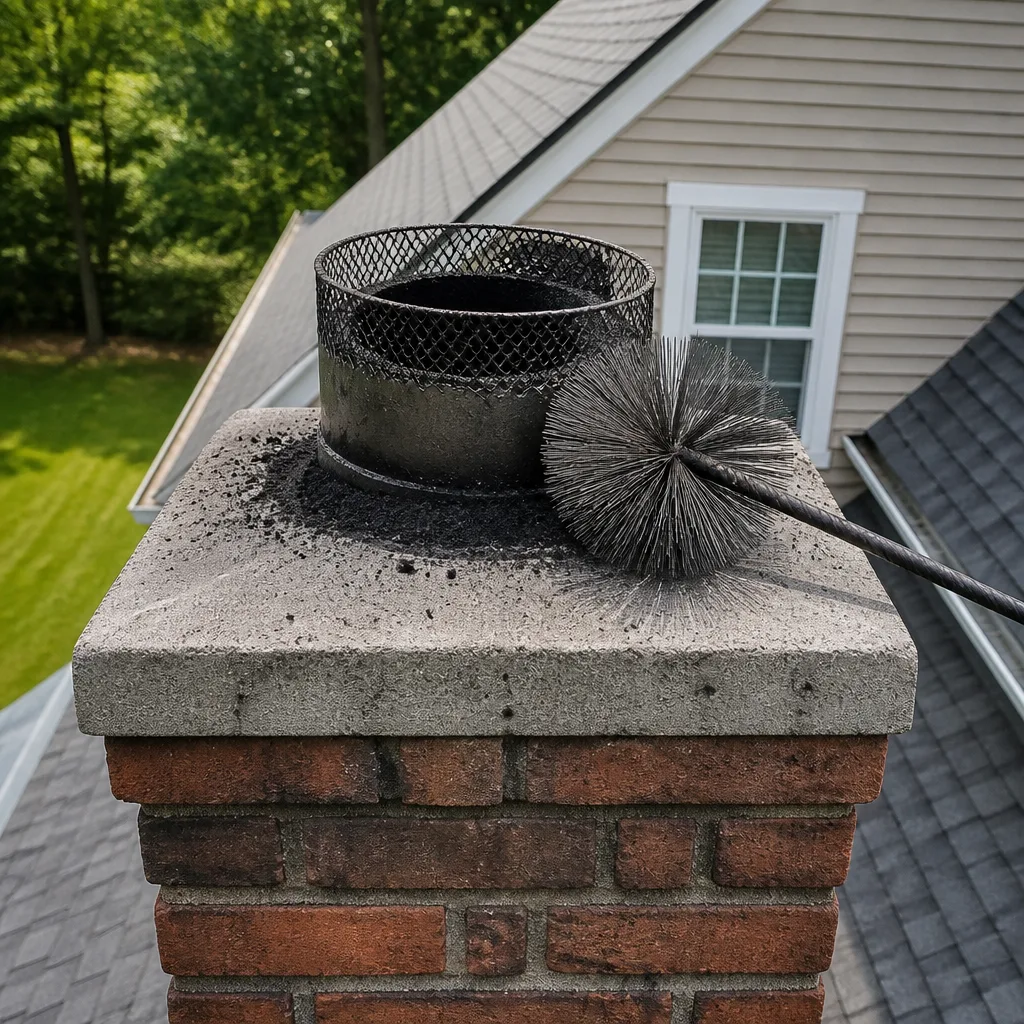
Level 1 sweep and inspection to the NFPA 211 annual standard - flue, crown, cap, and flashing checked and photographed
Chimney sweep logs do not sweep chimneys. They loosen some creosote - which then falls where a brush and vacuum still have to collect it.
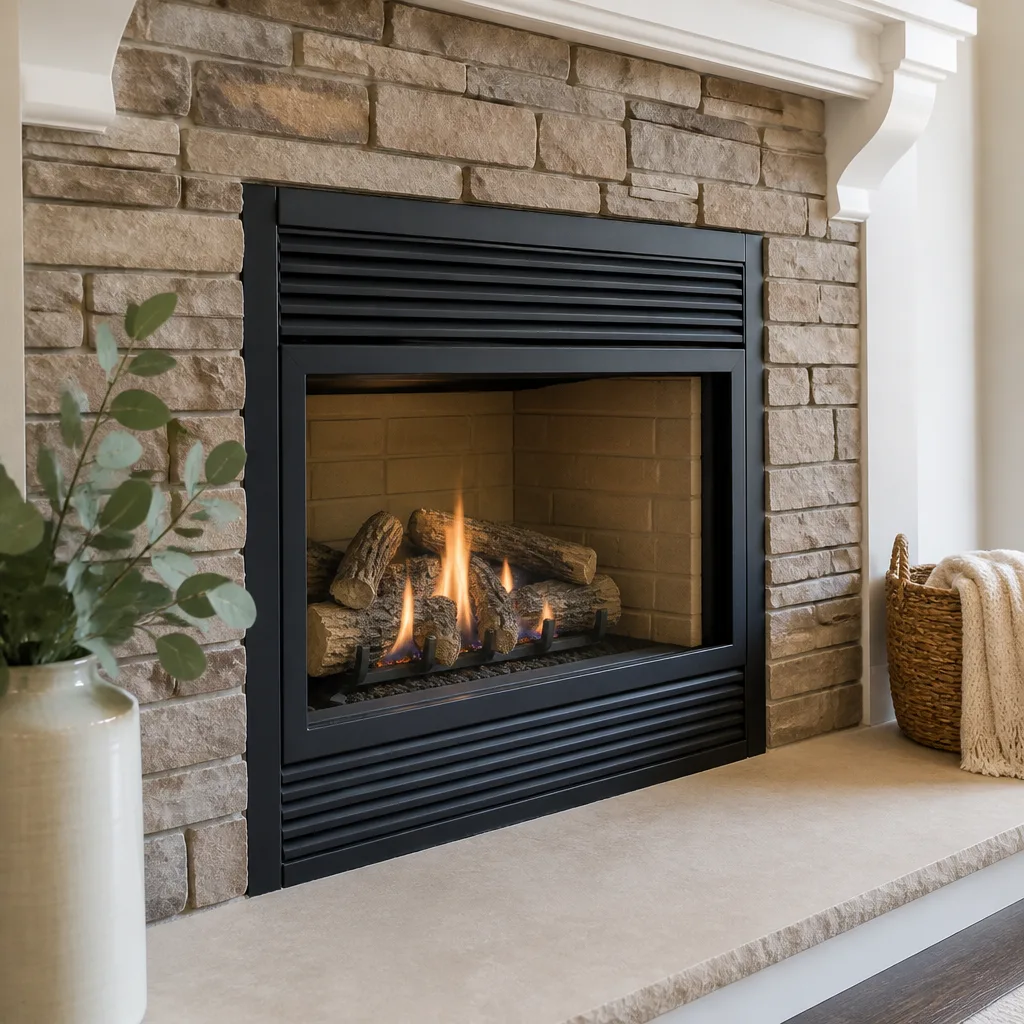
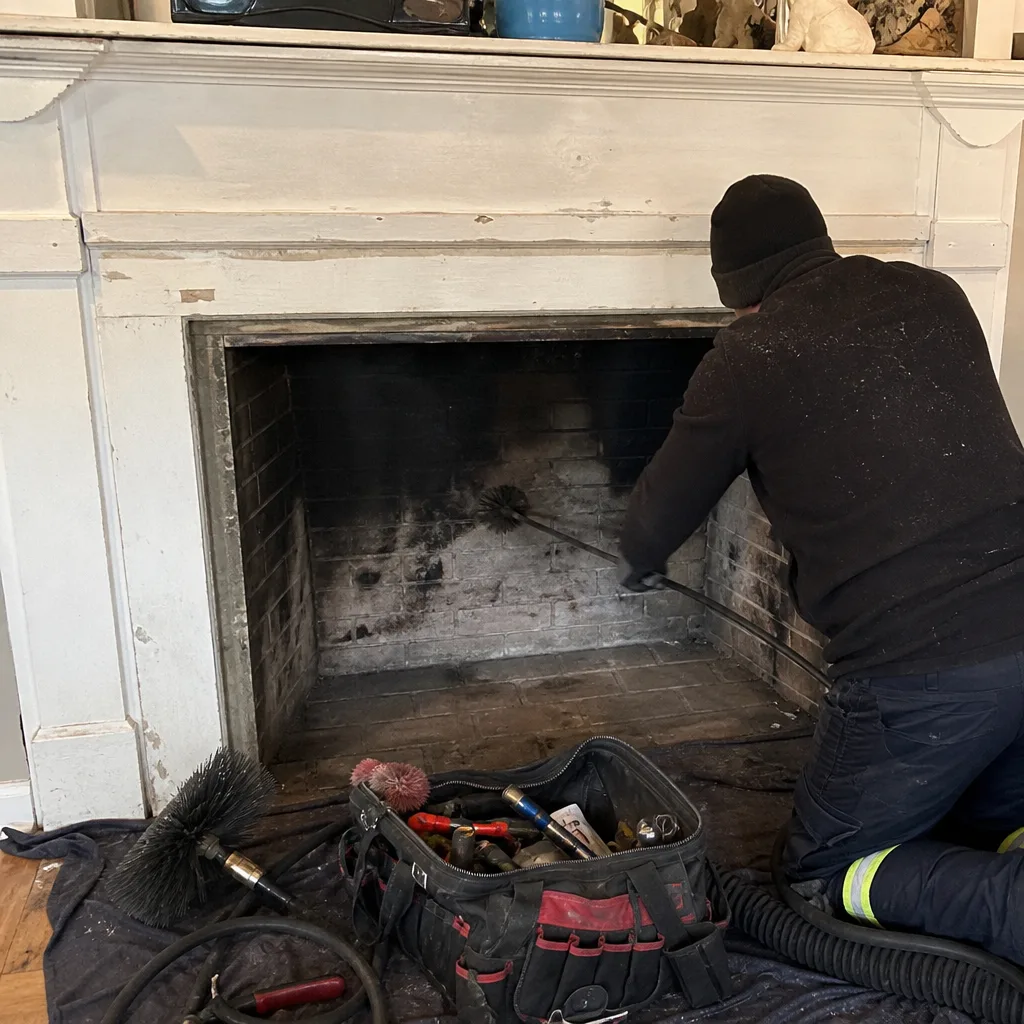 Before
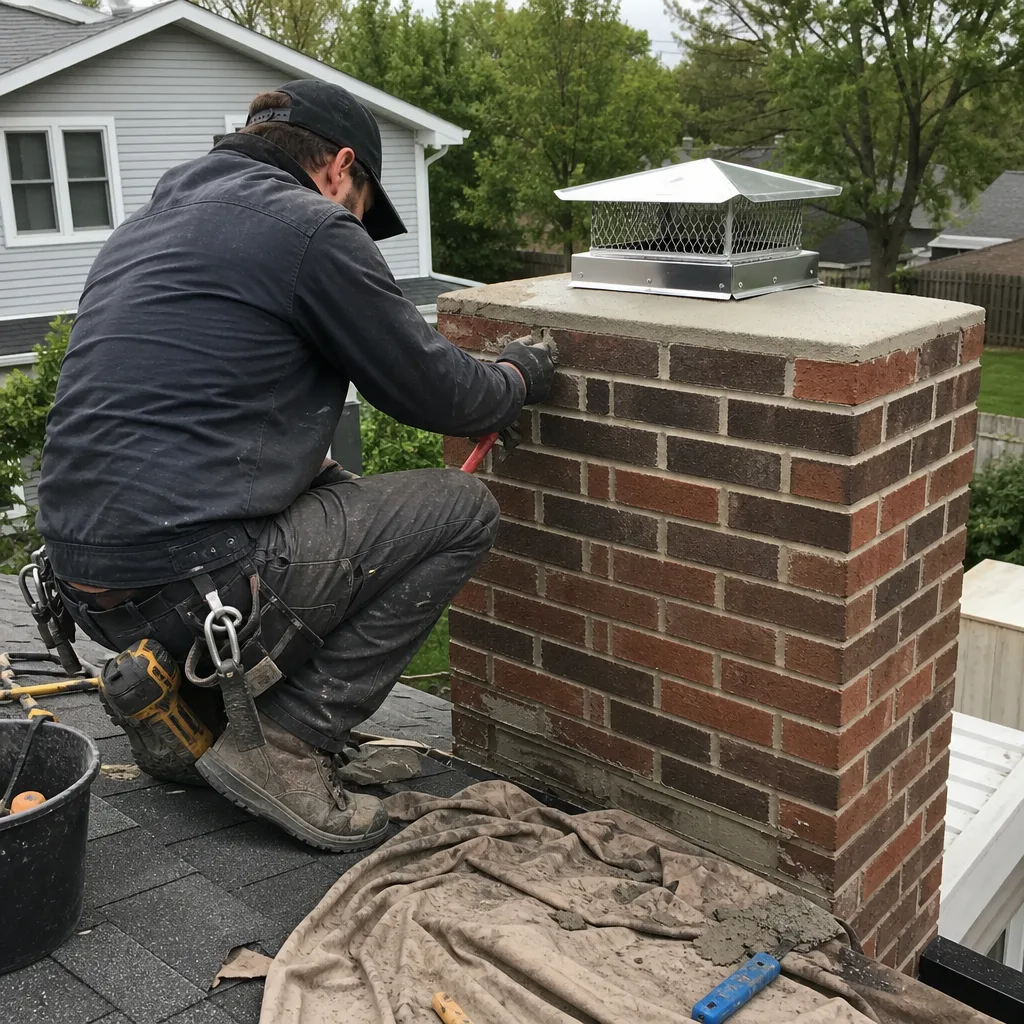 After
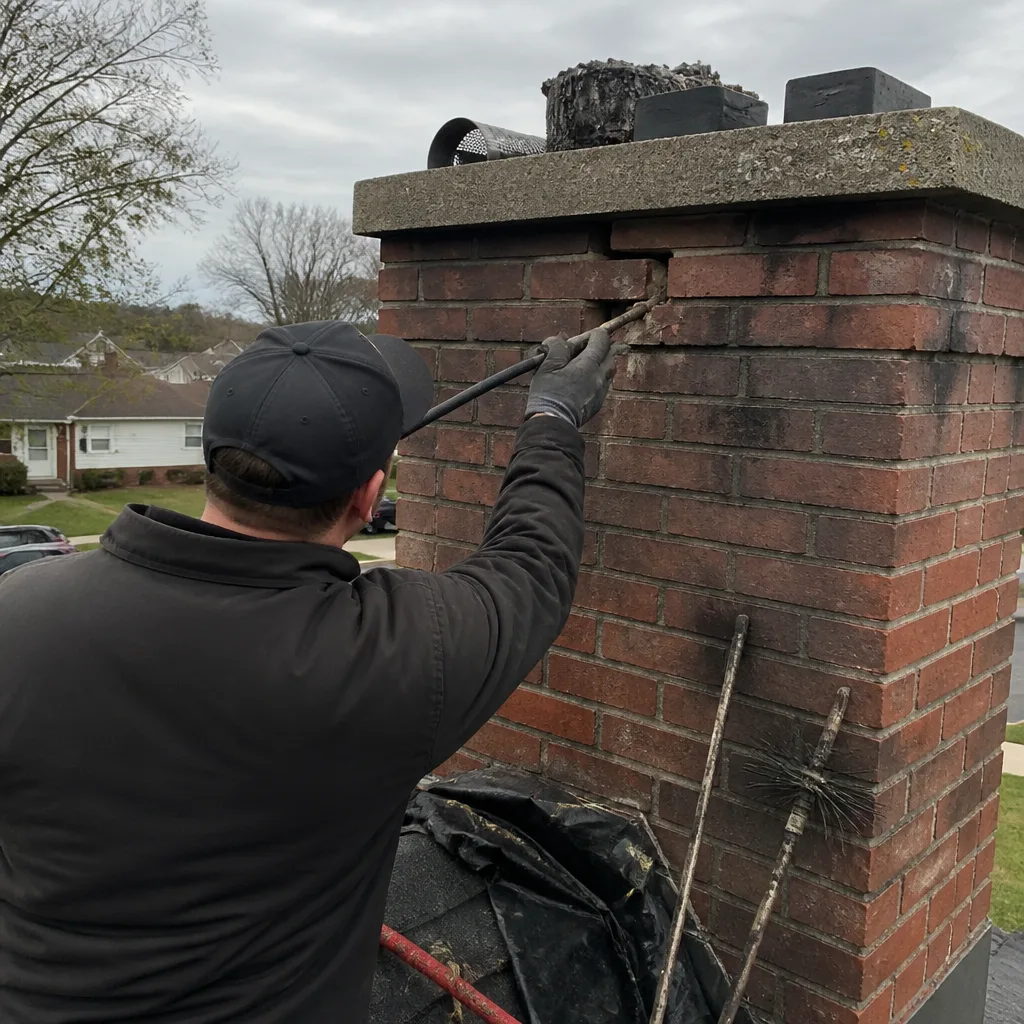 Before
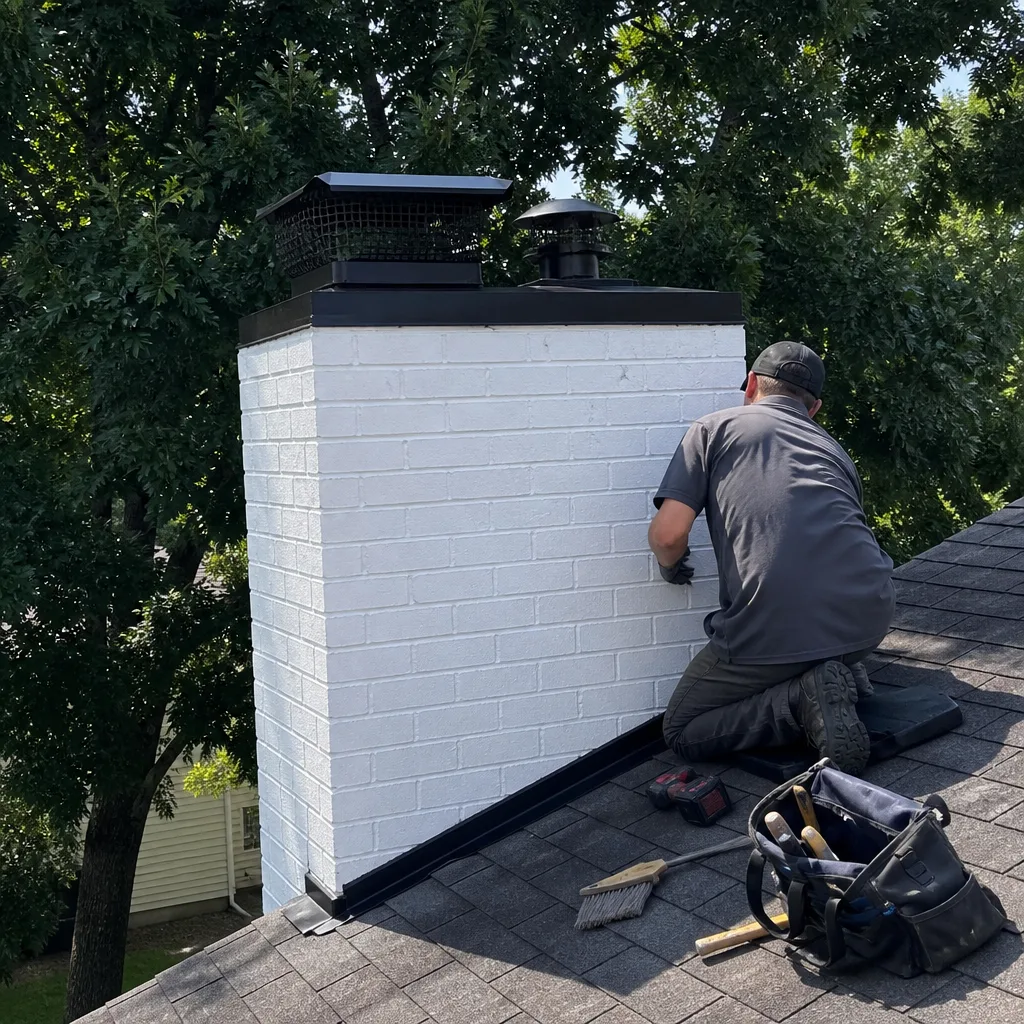 After
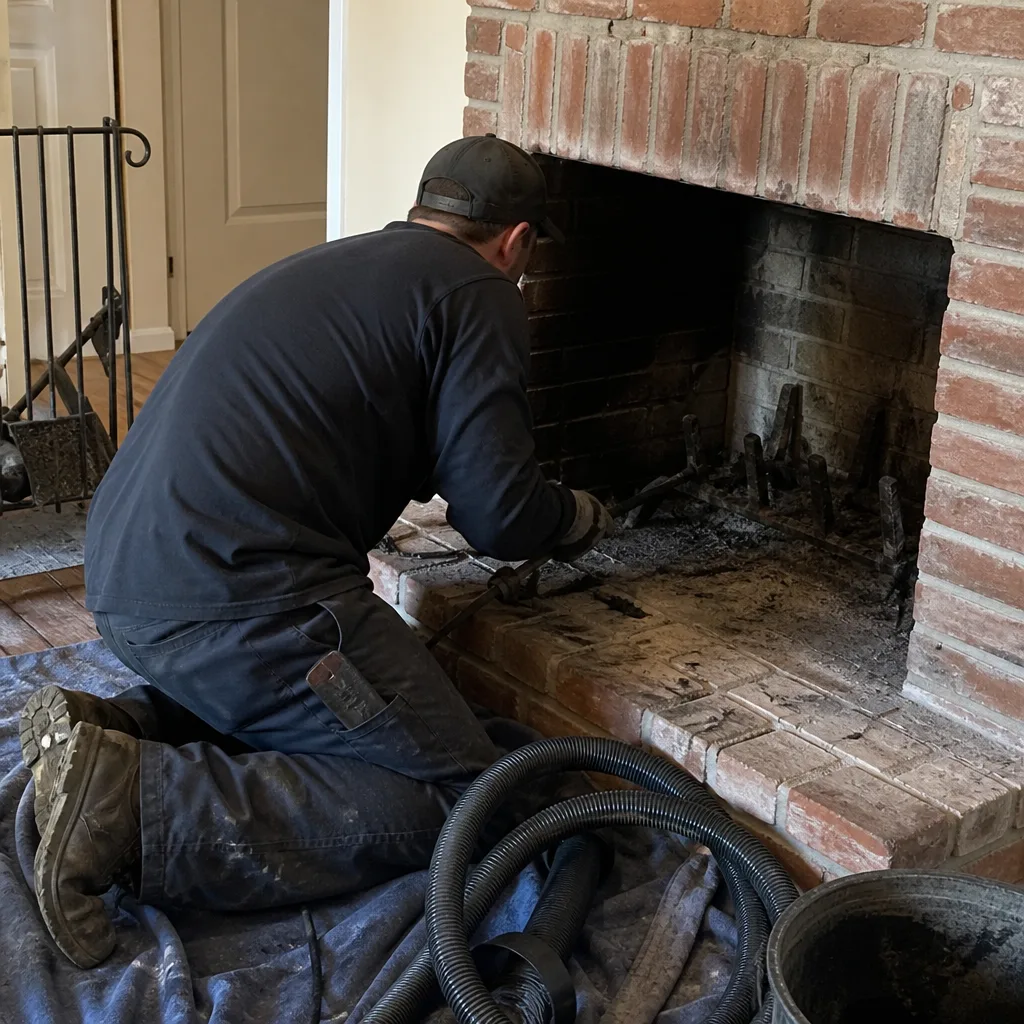 Before
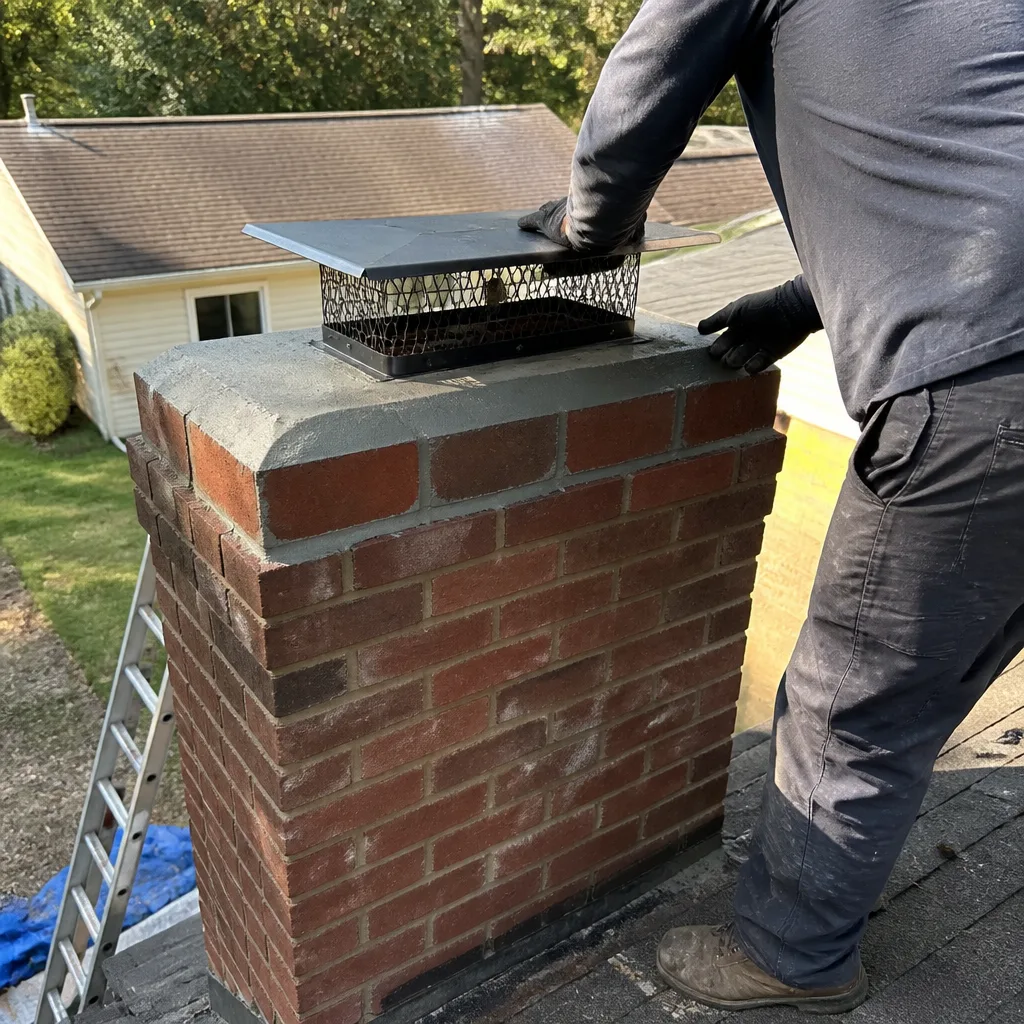 After
Seasonal Chimney Cleaning Care for Chesapeake: Year-Round Homeowner’s Guide
The chimney damage that shows up in October usually started in May. Spring rain, summer humidity, and nesting birds do their worst work in the months between your last fire and your first one. In Chesapeake, where the Elizabeth River and Great Dismal Swamp keep air moisture high year-round, chimneys face a tidewater calendar most national guides never address. Most homeowners here treat chimney care as a once-a-year pre-winter task, but that thinking misses the two seasons that cause the most structural damage. This guide assigns a specific job to each quarter based on what we’ve learned from 42 years of working on Chesapeake homes, from Great Bridge to Deep Creek to South Norfolk, and points you to more guides & resources for year-round chimney care.
Quick Answer
Chimney cleaning and maintenance in Chesapeake should follow a four-season schedule: spring inspection for moisture and animal damage after the burning season, summer repair scheduling when sweeps have availability and damage is fully visible, September sweeping and inspection before the first-fire rush, and winter monitoring of smoke behavior and ice loading on caps. For a detailed task list, see our Chimney Cleaning & Sweep Maintenance Checklist for Chesapeake Homeowners. Chesapeake’s high humidity, hurricane season, and tidewater freeze-thaw cycles create damage patterns that differ from inland Virginia markets.
Table of Contents
- Spring: The Hidden Damage Season
- Summer: The Smart Time to Schedule
- Fall: Beat the November Backlog
- Winter: Mid-Season Monitoring
- Hurricane Season and Your Chimney
- Common Mistakes to Avoid
- When to Call a Professional
- Frequently Asked Questions
Spring: The Hidden Damage Season
By April, most Chesapeake homeowners have stopped using their fireplaces and moved on to lawn care. That’s a mistake. Spring is when chimney damage accelerates fastest in our market, and the problems that start now become the expensive repairs of October.
Here’s what happens in a typical Chesapeake spring. The burning season ends with creosote buildup still clinging to flue walls. March and April bring frequent rain, often 10 to 12 days per month. That moisture mixes with acidic creosote residue and begins eating at terra cotta flue tiles. Meanwhile, daytime temperatures climb into the 60s and 70s while nights still dip to the 40s. In neighborhoods near the river, like South Norfolk or parts of Greenbrier, that daily freeze-thaw cycle causes mortar joints to spall, crack, and shed surface material faster than in drier inland counties.
Spring is also prime nesting season. We’ve pulled starling nests from flues in Great Bridge, squirrel debris from caps in Hickory, and chimney swift nests from half the homes in Deep Creek. A blocked flue in spring becomes a fire hazard or carbon monoxide risk by fall.
Your spring checklist:
- Schedule a post-season Level-2 inspection. Our camera inspection documents the flue interior with photos you can see and a plain-English verdict. In spring, moisture damage is fresh and easiest to spot.
- Check the cap and crown for winter stress. Ice expansion in January and February creates hairline cracks that widen with spring rain.
- Look for water stains on the ceiling near the chimney breast. In Chesapeake’s older homes, especially in South Norfolk and parts of Portlock, flashing deterioration from winter wind shows up as interior stains by late March.
- Verify the damper seals fully. A damper that won’t close tight lets humid summer air into the flue, accelerating corrosion of metal components.
Spring repairs booked in April or May get done before hurricane season complicates scheduling. And you’ll have documentation of your chimney’s condition if summer storms create new damage and insurance questions arise. For details on what’s required, read our Chimney Cleaning Permits, Codes & Inspections in VA: What You Need to Know.
In our experience, the homeowners who skip spring inspection are the ones calling in October with spalling brick, separated crowns, and liner damage that started six months earlier. The repair bill reflects that delay.
Summer: The Smart Time to Schedule
June through August is the season most Chesapeake homeowners ignore their chimneys entirely. That’s precisely why it’s the smartest time to act.
Summer availability is the practical reason. Our schedule in July has open slots that disappear by September 15. A homeowner who calls in early August can typically book an inspection within a week. That same call in mid-October faces a three-week wait, and we’ve seen November backlogs stretch longer after early cold snaps send everyone scrambling for their first fire.
But timing isn’t the only advantage. Summer humidity in Chesapeake, often 75% or higher, fully exposes moisture problems that winter’s dry air conceals. Efflorescence, that white powdery bloom on brick surfaces, appears most prominently in humid summer conditions. It’s a clear signal of water migration through the masonry. We’ve pointed out efflorescence on homes in Western Branch in July that the homeowner never noticed in February.
Summer also reveals animal entry points. Nesting season peaks in June. A cap with a bent screen or missing spark arrestor, damaged by winter ice or spring wind, becomes an invitation. We’ve found active nests in July that would have blocked the flue by October. Removing them in summer is simpler, cleaner, and prevents the odor problems that come with a dead animal in August heat.
What to prioritize in summer:
- Major repairs and liner installations. Crews aren’t racing weather. Materials like HeatShield refractory mortar and DuraFlex stainless steel liners cure properly in warm, stable temperatures. A liner installed in July is tested and ready before the first cold night.
- Crown rebuilding or sealing. Crown sealants need dry conditions and time to cure. Summer provides that window consistently.
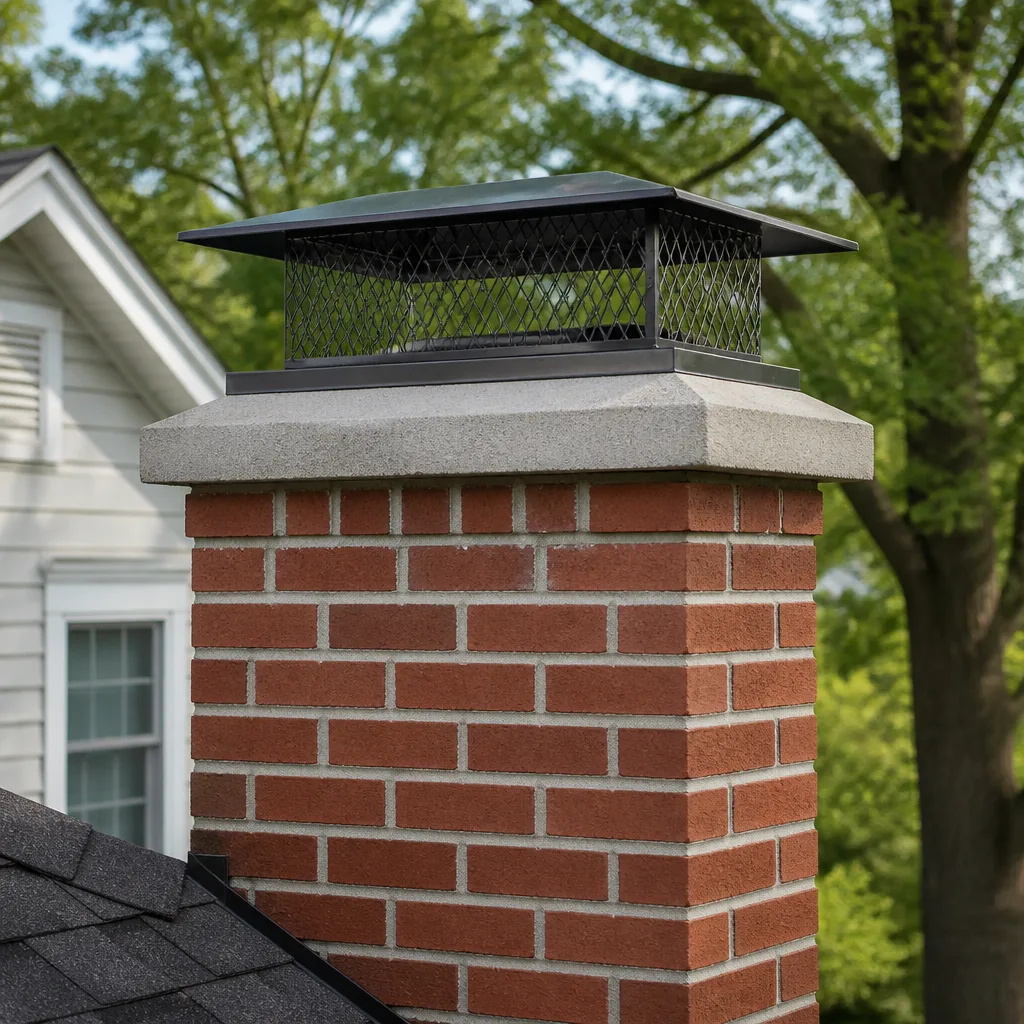
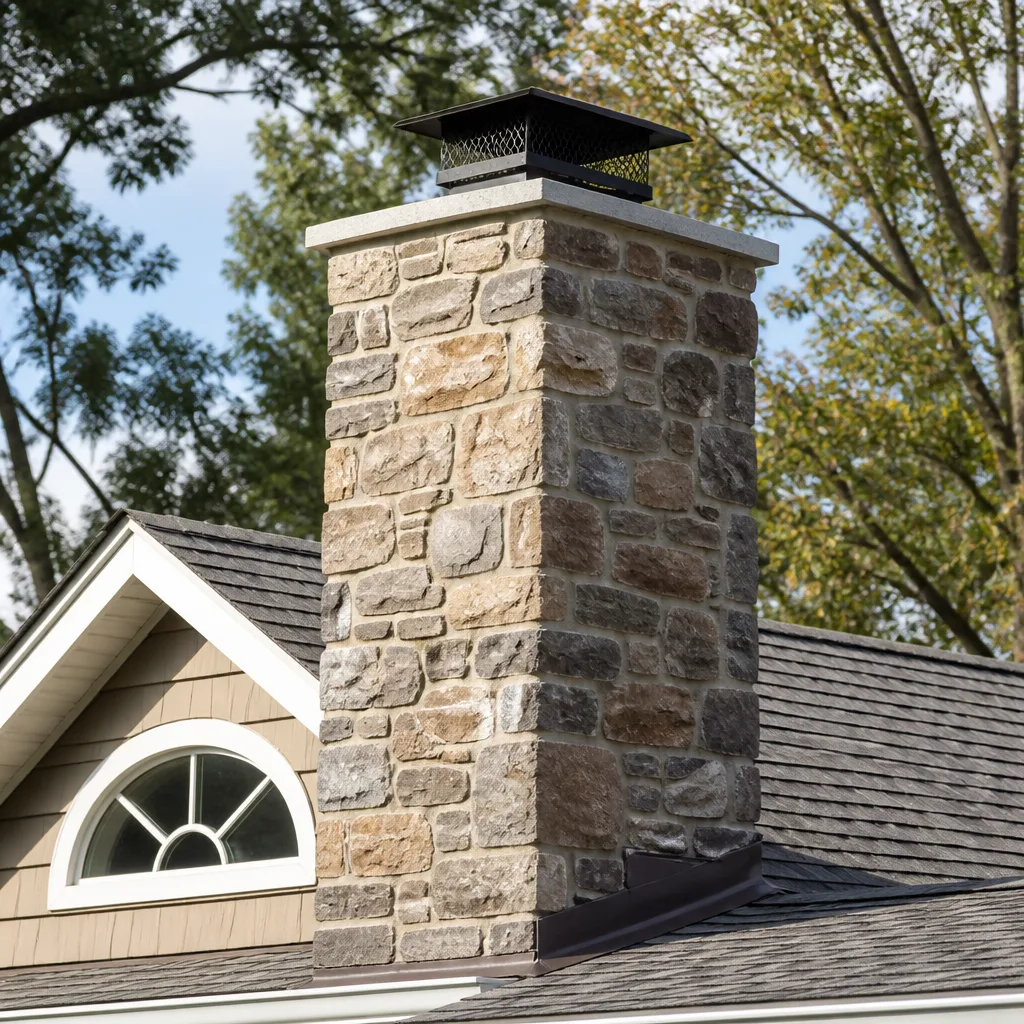
- Cap replacement with quality hardware. We install Gelco and Olympia Chimney caps that withstand Chesapeake’s wind and salt-air exposure. A proper cap installed in summer prevents the autumn leaf and debris accumulation that leads to blockages.
The homeowners who understand this pattern, who’ve lived in Chesapeake long enough to remember Hurricane Isabel or the recurring nor’easters, use summer strategically. They get the same quality work, the same 90-Day Done Right Promise, without the scheduling pressure that comes with the first 40-degree night.
Fall: Beat the November Backlog
September is the month that separates prepared Chesapeake homeowners from the rest. By October 15, our phone rings constantly. By November 1, we’re scheduling into December for anything beyond a basic sweep.
The first-fire backlog is real and predictable. Temperatures in Chesapeake typically drop into the 40s by late October. That first cold weekend, every homeowner who skipped spring and summer maintenance calls at once. The result: three-week waits for inspection, longer for repair work, and some homeowners lighting fires in chimneys that haven’t been checked in two years or more.
We recommend scheduling your pre-season sweep and inspection in early to mid-September. The flue is clean from disuse, any summer repairs have cured, and you’ll have documentation in hand before the burning season begins. In Chesapeake, where many homes still burn real wood from the rural areas west of the city, creosote buildup from a single season can be significant. A Level-2 inspection with camera documentation gives you a baseline for the year.
What happens during a proper fall service:
- Full sweep of the flue. Professional-grade brushes and vacuums remove creosote, soot, and debris without mess in the home.
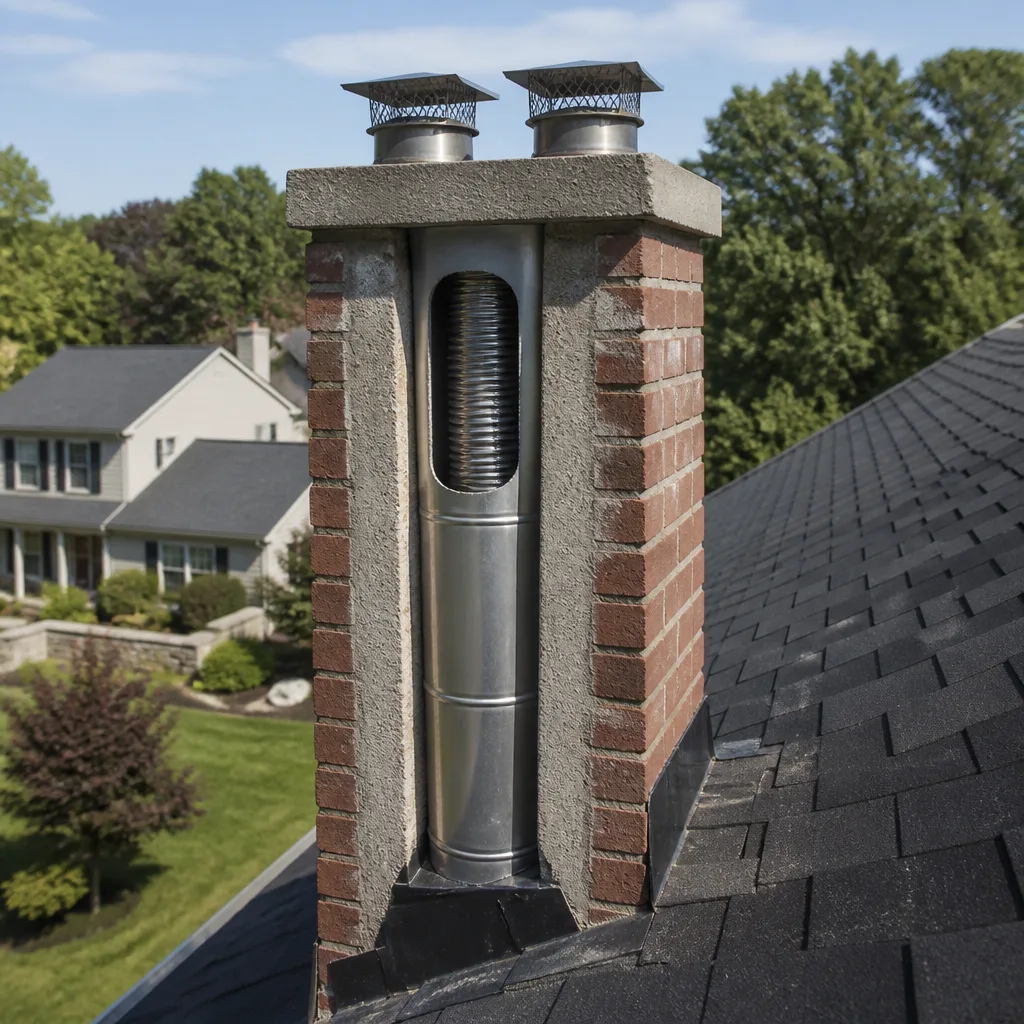
- Camera inspection of the flue interior. We document every flue tile, every joint, every area of concern. You see the photos. We explain what they mean in plain English.
- Exterior evaluation of cap, crown, flashing, and brick condition. Hurricane season isn’t over until November 30. September inspection catches late-season storm damage before it faces winter freeze.
- Damper operation and seal test. A damper that doesn’t seal costs you heated air all winter and can allow downdrafts that blow smoke into the room.
- Written condition report with recommendations prioritized. We tell you what needs immediate attention, what can wait, and what to monitor. Nothing is recommended without camera evidence you can see for yourself.
Our $89 Seasonal Tune-Up, available each fall, includes the sweep and basic inspection. It’s a square deal: the number on the estimate is the number on the invoice. No surprises when the bill arrives.
Homeowners in neighborhoods like Great Bridge and Hickory, where mature trees surround older homes, face additional fall concerns. Leaf accumulation on caps, especially after October storms, creates blockage risks. A proper cap with adequate screening, installed before leaf drop, prevents this entirely.
Winter: Mid-Season Monitoring
Once the burning season is underway, professional service shifts from preventive to responsive. But there’s still important work a homeowner can do between professional visits to catch problems before they become dangerous.
Smoke behavior is your primary diagnostic tool. A properly functioning chimney draws smoke smoothly up and out. Watch for these changes:
- Smoke entering the room on startup. Some spillage in the first 60 seconds is normal as the flue warms. Persistent smoke suggests blockage, damper malfunction, or negative pressure from exhaust fans competing for air.
- Smoke staining above the fireplace opening. This indicates consistent spillage and creosote accumulation on the mantel or surround, a genuine fire hazard.
- Odd odors when the fire is burning. A strong, acrid smell beyond normal wood smoke can signal creosote buildup approaching dangerous levels or animal debris in the flue.
After hard freezes, check your cap and crown from the ground. Chesapeake’s winter temperatures rarely stay below freezing for extended periods, but single nights in the teens, common in January, create ice loading on caps. Look for:
- Visible ice buildup that persists past noon, suggesting poor drainage or cap damage
- Displaced or tilted cap, visible from the yard with binoculars
- Fresh brick fragments or mortar on the ground near the chimney base, indicating spalling from freeze expansion
Monitor the damper seal on mild days. When you’re not burning, close the damper completely and check for cold air falling down the flue. A draft means the damper isn’t sealing, which wastes heated air and allows outdoor moisture into the flue.
In our 42 years, the winter calls we respond to fall into two categories: emergencies that could have been prevented with fall service, and genuine mechanical failures that develop mid-season. The first category is larger. The second is why we answer the phone with a live person 24 hours a day, 7 days a week, including holidays. A chimney fire or carbon monoxide concern doesn’t wait for business hours.
Between professional services, keep burning practices conservative. Seasoned hardwood only, burned hot and bright rather than smoldering. In Chesapeake, where many homeowners have access to oak and hickory from nearby rural areas, proper seasoning means 12 months minimum. Wet or green wood creates dangerous creosote buildup in a single season.
Hurricane Season and Your Chimney
Chesapeake’s hurricane season, June 1 through November 30, intersects with chimney care in ways inland Virginia homeowners rarely consider. Wind-driven rain, storm debris, and sudden temperature drops create a specific damage pattern we’ve documented across the city.
Wind-driven rain is the primary threat. A standard rain shower sends water down the flue in manageable amounts. Hurricane-force winds, even from weaker storms that pass east of Chesapeake, force water horizontally into cap joints, crown edges, and flashing seams. We’ve inspected chimneys in Greenbrier after Tropical Storm Michael passed through that showed water intrusion patterns completely different from normal weather exposure. The water entered from the side, not the top, finding gaps that vertical rain never tests.
Storm debris causes physical damage. Tree limbs, loose shingles, and neighbor’s yard items become projectiles. Caps get dented or knocked askew. Crowns chip. We’ve replaced Famco caps in Deep Creek after limbs struck them, and rebuilt crowns in Western Branch where wind-borne debris cracked the surface.
Post-storm temperature swings accelerate damage. Hurricanes often bring cooler air behind them. A chimney saturated with wind-driven rain that then faces a 30-degree temperature drop in October experiences rapid freeze expansion in mortar joints. This is the spalling pattern we see most commonly in Chesapeake’s older neighborhoods.
What to do after any significant storm:
- Visual ground inspection. Walk the property and look at the chimney from multiple angles. Binoculars help. Note any new leaning, cap displacement, or missing pieces.
- Interior check for water entry. Stains on the ceiling near the chimney breast, musty odors in the firebox, or dampness on hearth bricks all indicate storm damage to the exterior envelope.
- Schedule inspection if anything looks changed. We document storm damage with photos for insurance purposes. The inspection itself is a small investment against larger uncovered damage.
In September 2003, Hurricane Isabel caused widespread chimney damage across Chesapeake that wasn’t fully apparent until the following burning season. Homeowners who had inspected and documented condition before the storm had clearer insurance claims. Those who hadn’t faced disputes about whether damage was storm-related or pre-existing. Documentation matters.
Our recommendation: treat September as both pre-season service month and hurricane preparedness month. The inspection covers both needs.
Common Mistakes to Avoid
- Waiting for the first cold night to call. By then, every sweep in Hampton Roads is booked solid. The homeowner who calls in September gets prompt service and avoids the risk of using an uninspected chimney.
- Assuming no fireplace use means no maintenance needed. In Chesapeake’s humid climate, an unused chimney deteriorates faster than one with occasional fires. Moisture moves freely, creosote residue corrodes flue tiles, and animals nest undisturbed.
- Hiring based on the lowest quote without verifying what’s included. A cheap sweep that doesn’t include camera inspection misses damage you can’t see from the firebox. We provide photos you can see and a plain-English verdict. The difference matters when you’re deciding whether a liner replacement is necessary.
- Ignoring efflorescence as “just cosmetic.” That white powder on exterior brick is soluble salts being drawn through the masonry by water migration. It signals active water intrusion that will eventually destroy mortar joints and spall brick faces. In tidewater neighborhoods near the river, this progresses faster than inland.
- DIY cap installation with hardware-store products. Caps sold at general retailers rarely withstand Chesapeake’s wind exposure and salt air. Professional-grade Gelco and Olympia Chimney caps, properly sized and secured, last years longer.
- Skipping inspection after any hurricane or tropical storm passes within 100 miles. Even peripheral storm effects create damage that worsens through winter.
- Accepting a repair recommendation without photographic evidence. Any sweep who tells you a liner is failing should show you the camera image. If they won’t, call us for a free second opinion on any written estimate.
When to Call a Professional
Some situations require immediate professional evaluation. Call a sweep if you experience smoke spillage that doesn’t resolve after the flue warms, a strong odor of creosote or burning when the fireplace is not in use, visible cracks in the firebox or flue liner, water entry of any amount, or any event like a chimney fire, lightning strike, or nearby tree impact.
For Chesapeake homeowners, we also recommend professional inspection after any hurricane or tropical storm passes within 100 miles, after any earthquake (however minor), and before purchasing any home with a fireplace or wood stove, regardless of what the seller’s disclosure states.
Hearthstone Chimney Co. offers free estimates in Chesapeake. Our Level-2 camera inspections end with photos you can see and a plain-English verdict. No recommendation is made without evidence you can evaluate yourself. Call (757) 590-6579 to schedule. A live person answers 24 hours a day, 7 days a week.
Frequently Asked Questions
A standard chimney sweep and basic inspection in Chesapeake typically ranges from $150 to $250, while a Level-2 inspection with camera documentation runs $250 to $400 depending on chimney height and accessibility. See our Chimney Cleaning Cost Breakdown: The Chesapeake Homeowner’s Reference for 2026 for full pricing details. Our $89 Seasonal Tune-Up includes the sweep and basic inspection during fall booking windows. Call (757) 590-6579 for an exact quote - estimates are free.
The National Fire Protection Association recommends annual inspection for all chimneys, and sweeping as needed based on use and fuel type. In Chesapeake, where high humidity accelerates deterioration and many homeowners burn wood from local sources, we recommend annual sweeping for active fireplaces and annual inspection even for rarely used systems. Homes in river-adjacent neighborhoods like South Norfolk may need more frequent exterior monitoring due to salt-air exposure.
You need a new liner only if the existing one is damaged, improperly sized, or missing entirely, and only if that damage is documented with camera evidence you can see. Cracked flue tiles, gaps between tiles, or significant creosote buildup in a deteriorated liner create fire and carbon monoxide hazards that justify replacement. We install DuraFlex stainless steel liners with a lifetime warranty when replacement is necessary, but we also repair some liner damage with HeatShield refractory mortar when appropriate. Nothing is recommended without photos and a plain-English explanation of why.
Skipped maintenance leads to three predictable outcomes: creosote accumulation that causes chimney fires, moisture intrusion that destroys masonry from the inside, and animal or debris blockages that force smoke and carbon monoxide into living spaces. In Chesapeake’s humid climate, the masonry damage accelerates faster than in drier regions. We’ve rebuilt chimneys in Great Bridge that could have been preserved with timely crown sealing, and replaced liners in Deep Creek that failed because creosote corrosion went unchecked. The repair cost always exceeds the maintenance cost.
A homeowner can and should perform regular visual checks from the ground and monitor smoke behavior and odors, but a proper Level-2 inspection requires specialized camera equipment and training to evaluate the flue interior. The flue liner, which is where most dangerous conditions develop, is not visible without a camera. We document every inspection with photos you can see and explain what they mean. For safety-critical components like the liner and structural masonry, professional evaluation is the responsible choice.
Summer chimney odors in Chesapeake typically come from one of three sources: creosote residue reacting with humid air, animal debris or nests in the flue, or negative air pressure drawing downdraft odors into the home. Our humid summers amplify all three. A proper sweep removes creosote and debris, and damper evaluation addresses pressure issues. If your chimney smells in July, it needs attention before the burning season begins.
The Bottom Line
Chesapeake’s tidewater climate creates a four-season chimney care calendar that most homeowners overlook. Spring inspection catches moisture and animal damage when it’s fresh and least expensive to fix. Summer scheduling avoids the fall rush and allows proper curing of repair materials. September sweeping and inspection prepares your system before the first cold night and the three-week backlog that follows. Winter monitoring of smoke behavior and ice loading keeps your household safe between professional services. Hurricane season adds a specific threat window that demands post-storm vigilance. The homeowners who follow this calendar, who treat chimney care as year-round maintenance rather than a single pre-winter task, avoid the emergency calls and major repairs that define neglected systems. The work is straightforward. The schedule is predictable. The cost of prevention is always less than the cost of repair.
Written by Russell Haines, Owner at Hearthstone Chimney Co., serving Chesapeake since 2014.