
Last updated September 10, 2026
Level 1 sweep and inspection to the NFPA 211 annual standard - flue, crown, cap, and flashing checked and photographed
Chimney sweep logs do not sweep chimneys. They loosen some creosote - which then falls where a brush and vacuum still have to collect it.
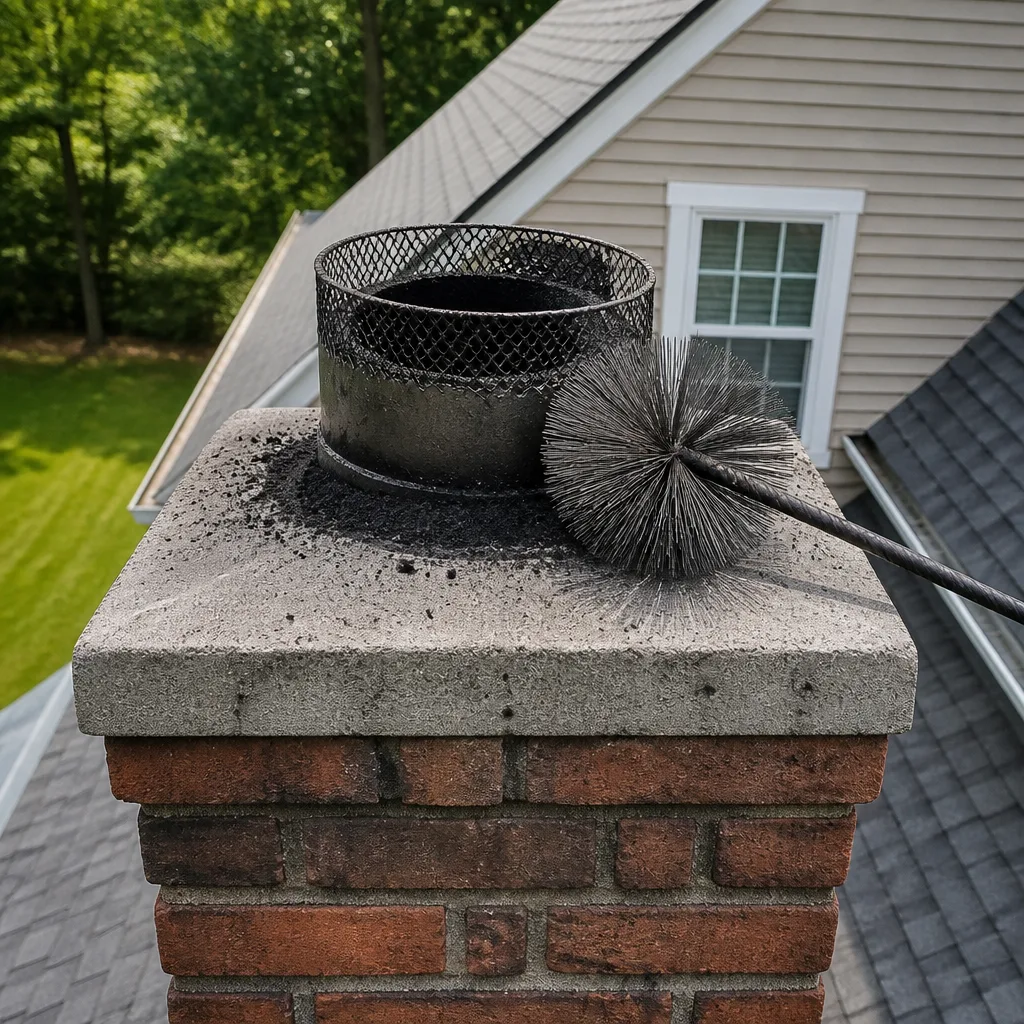
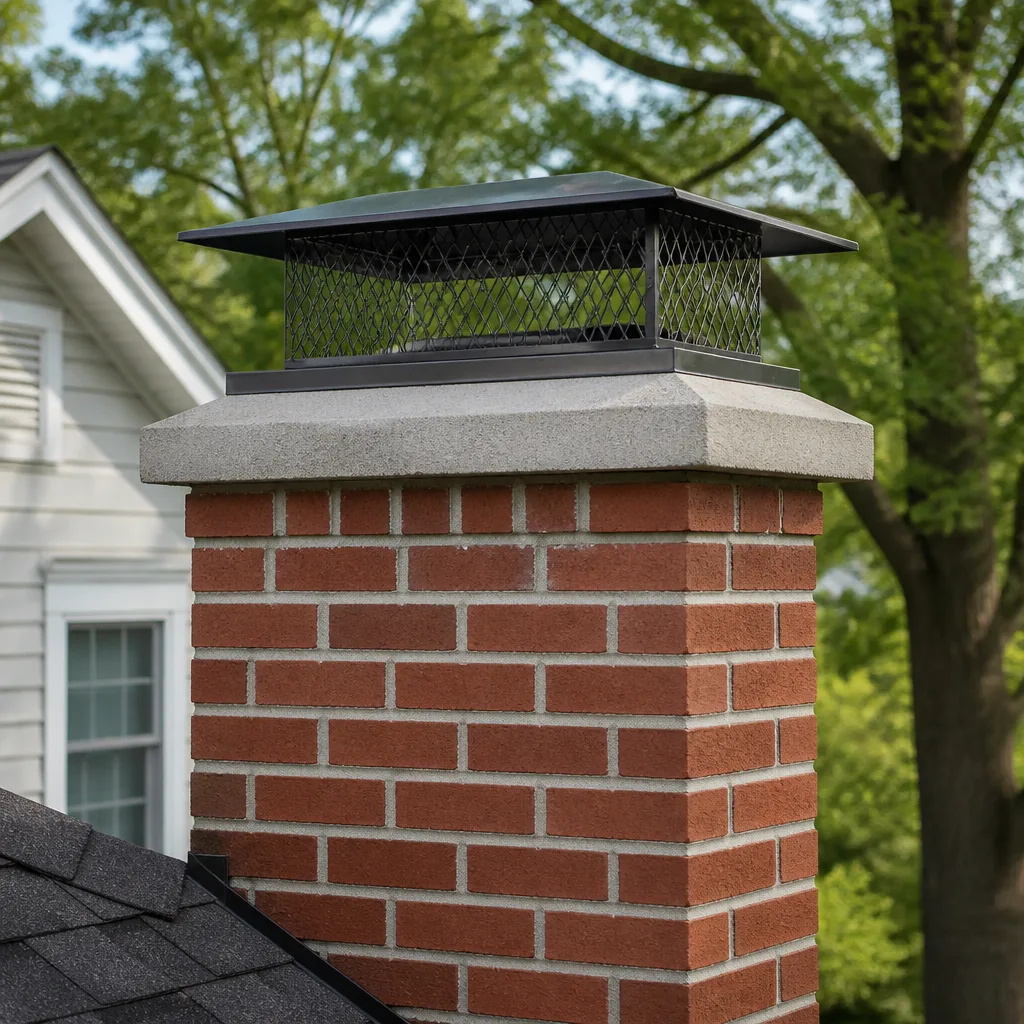
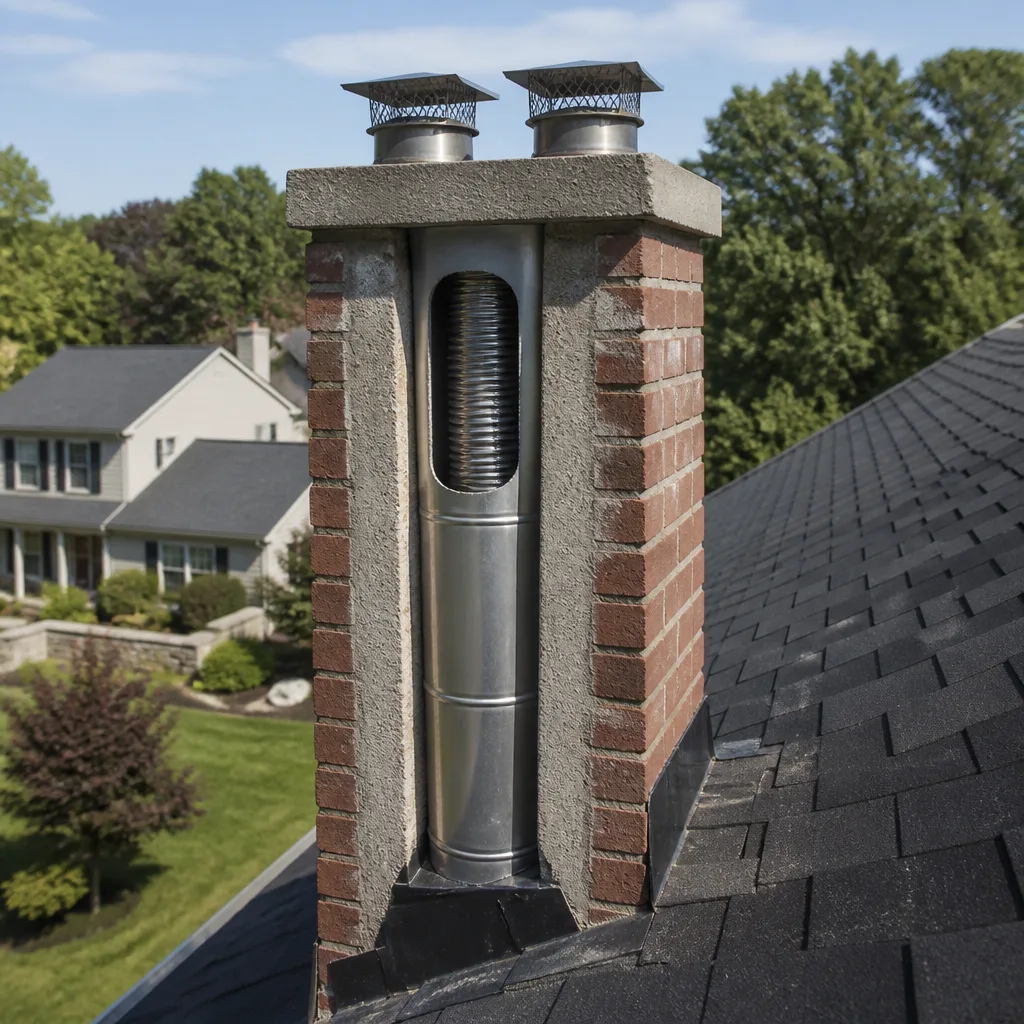
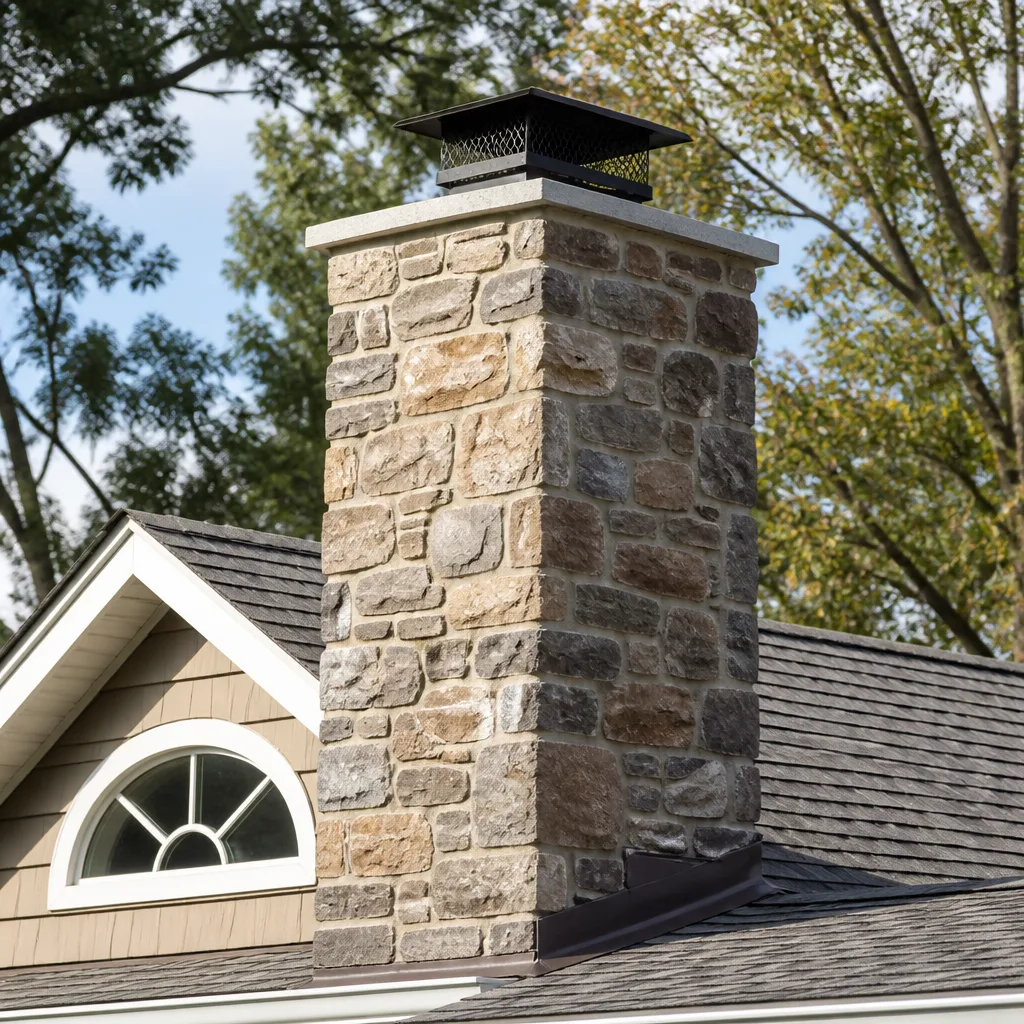
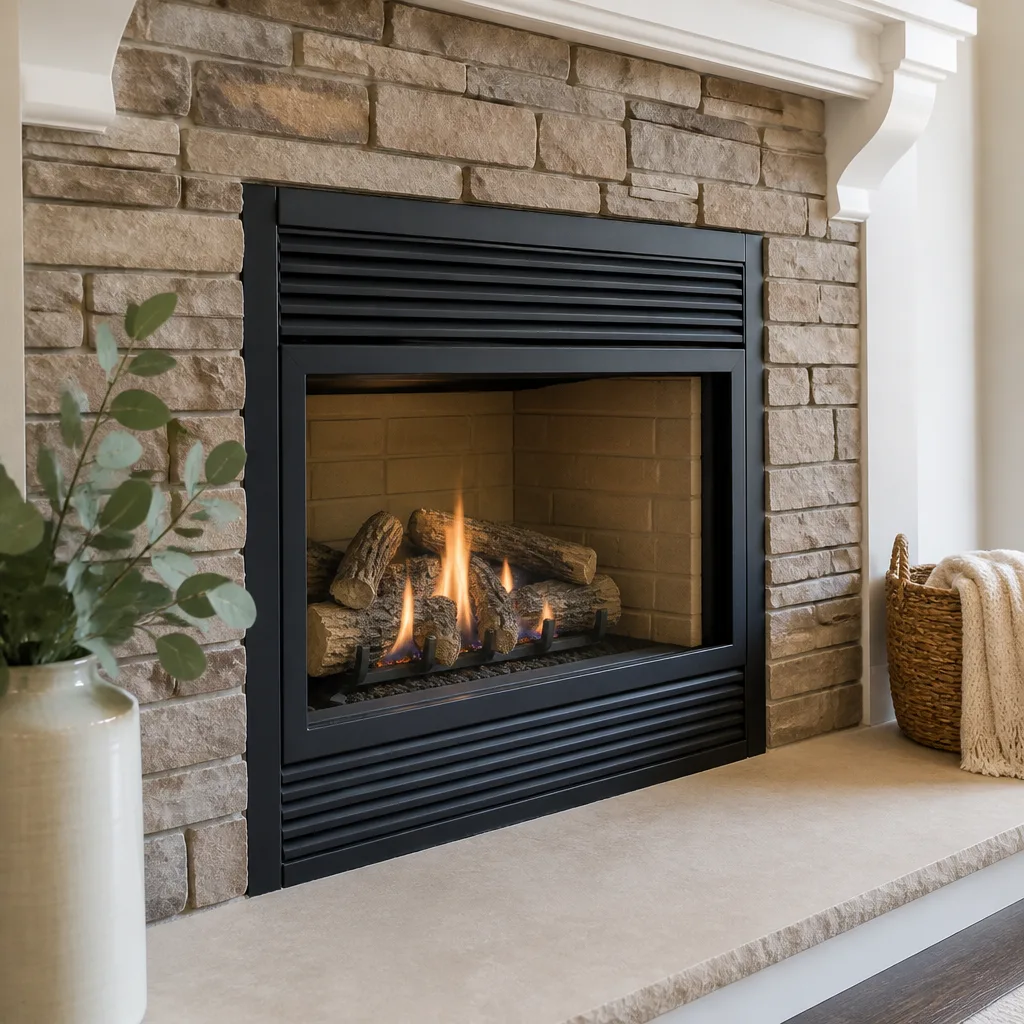
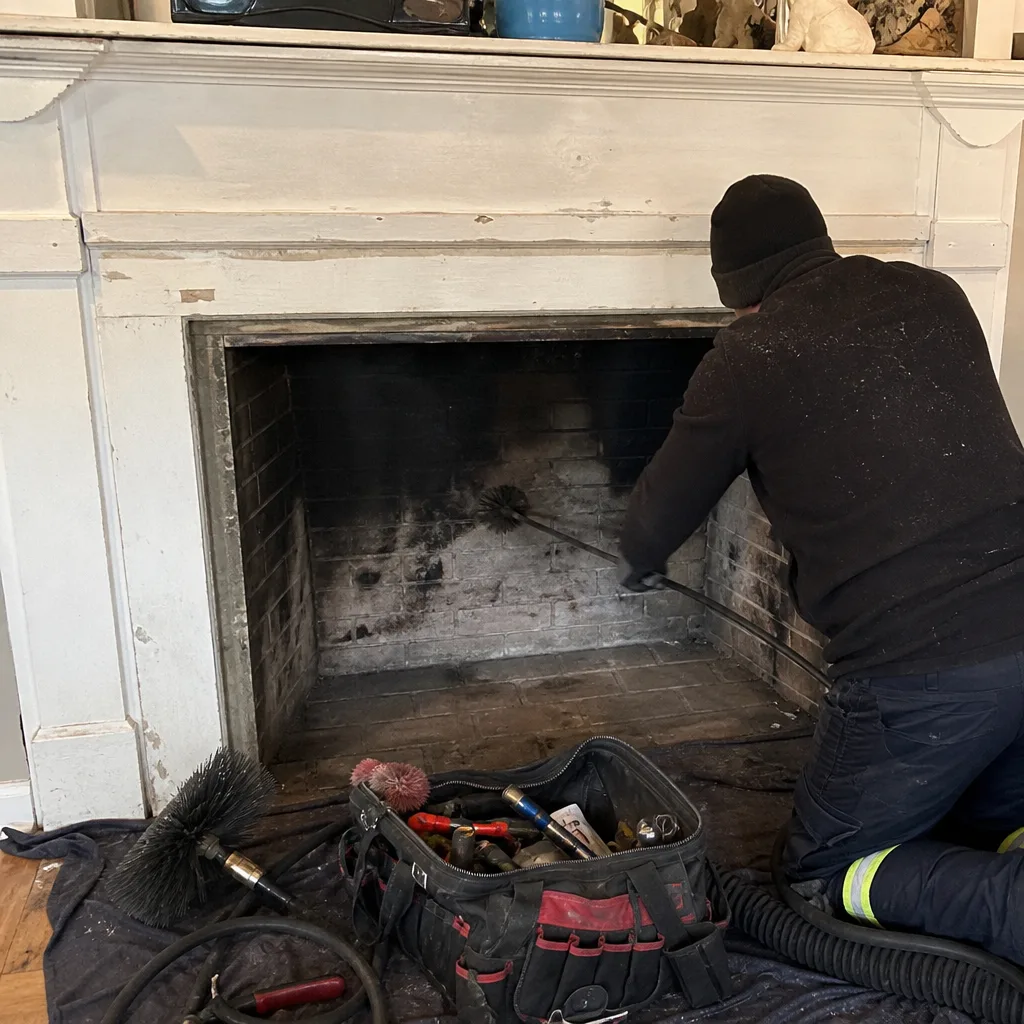 Before
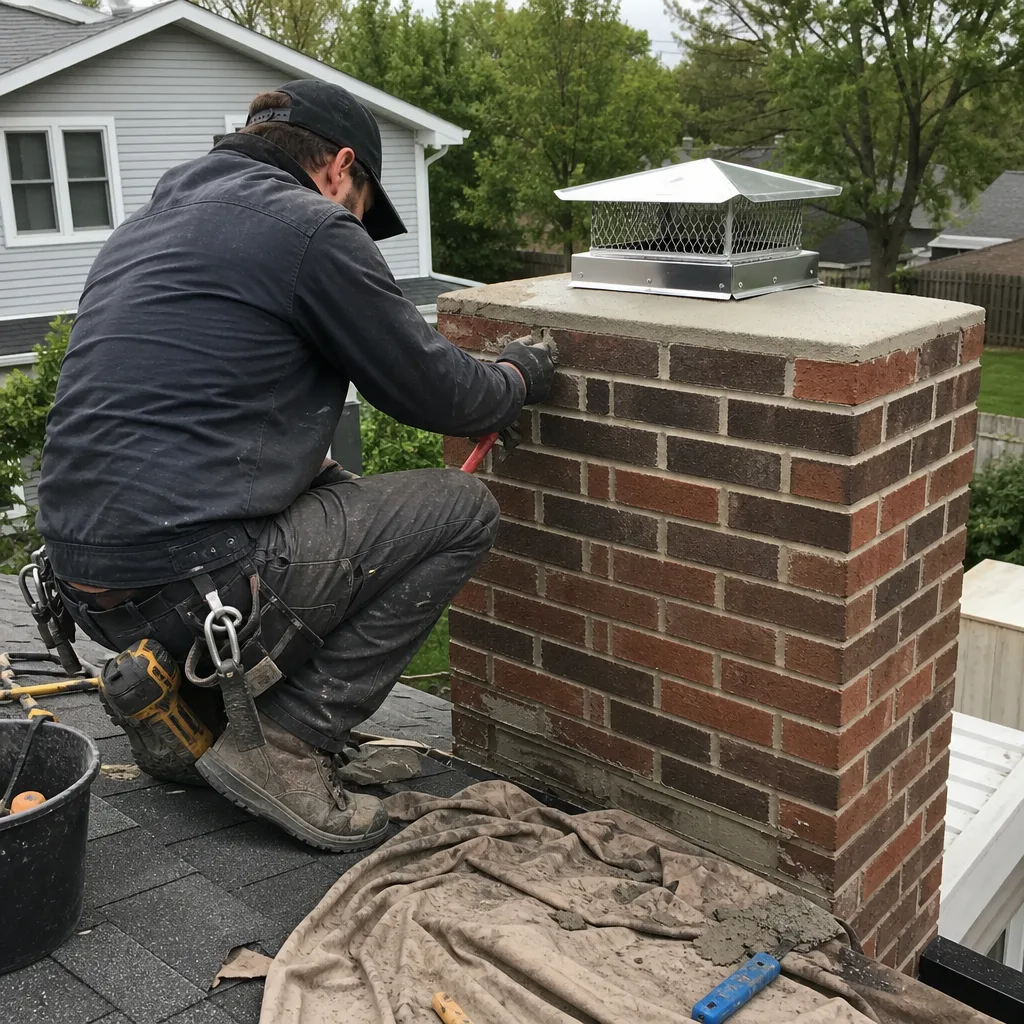 After
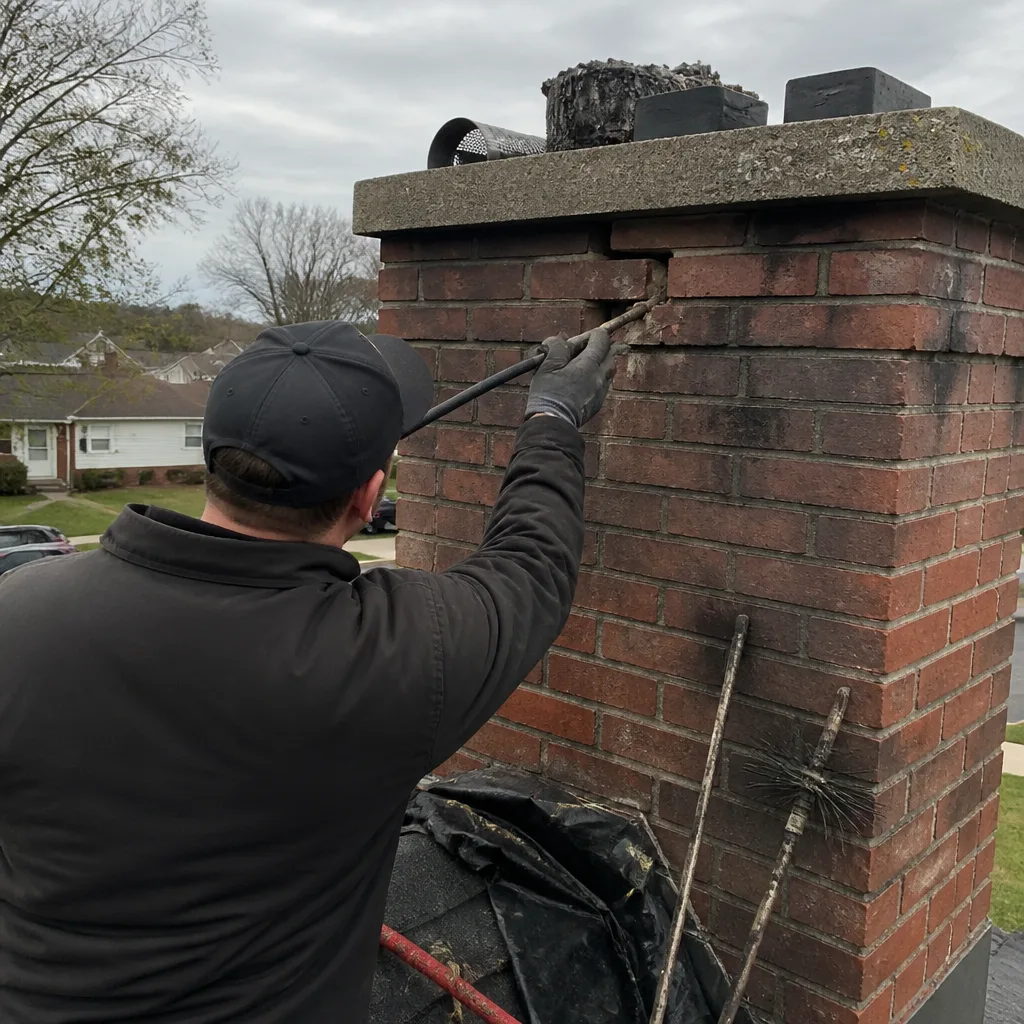 Before
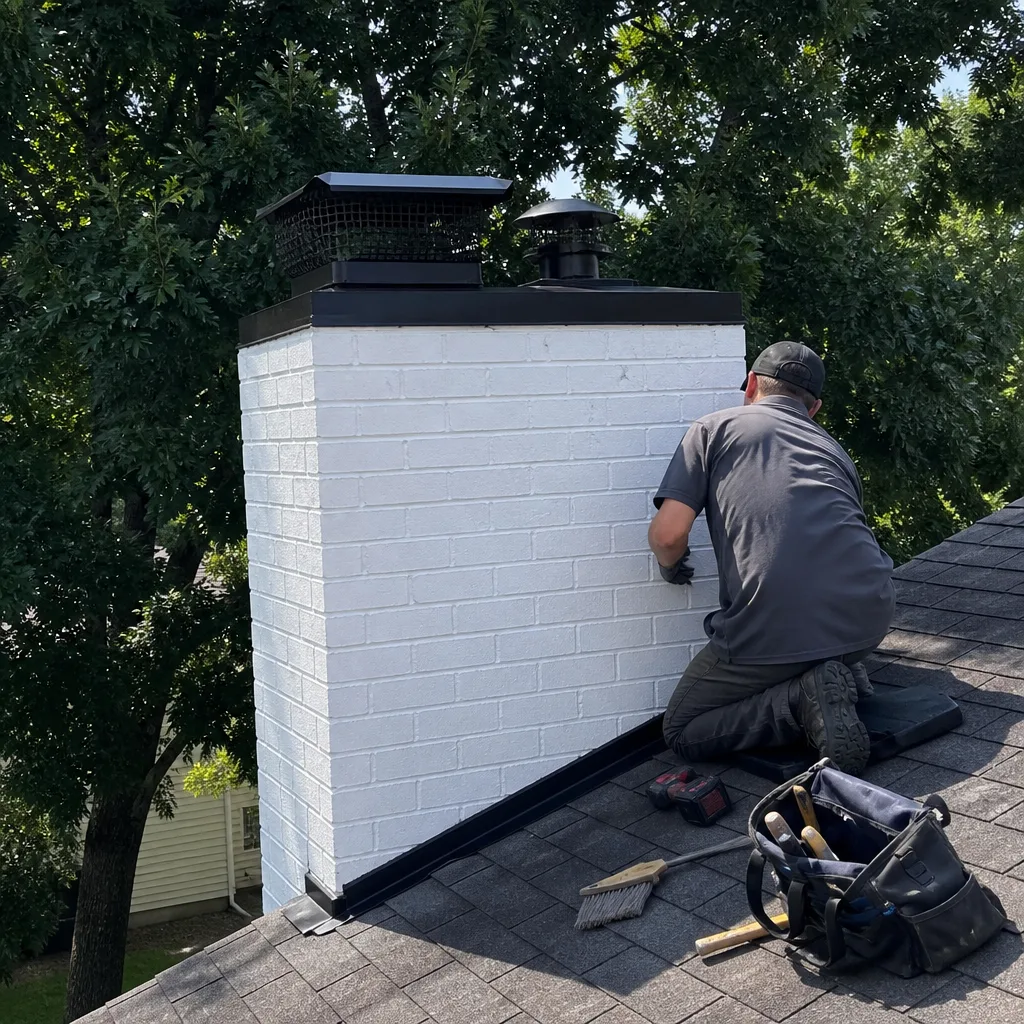 After
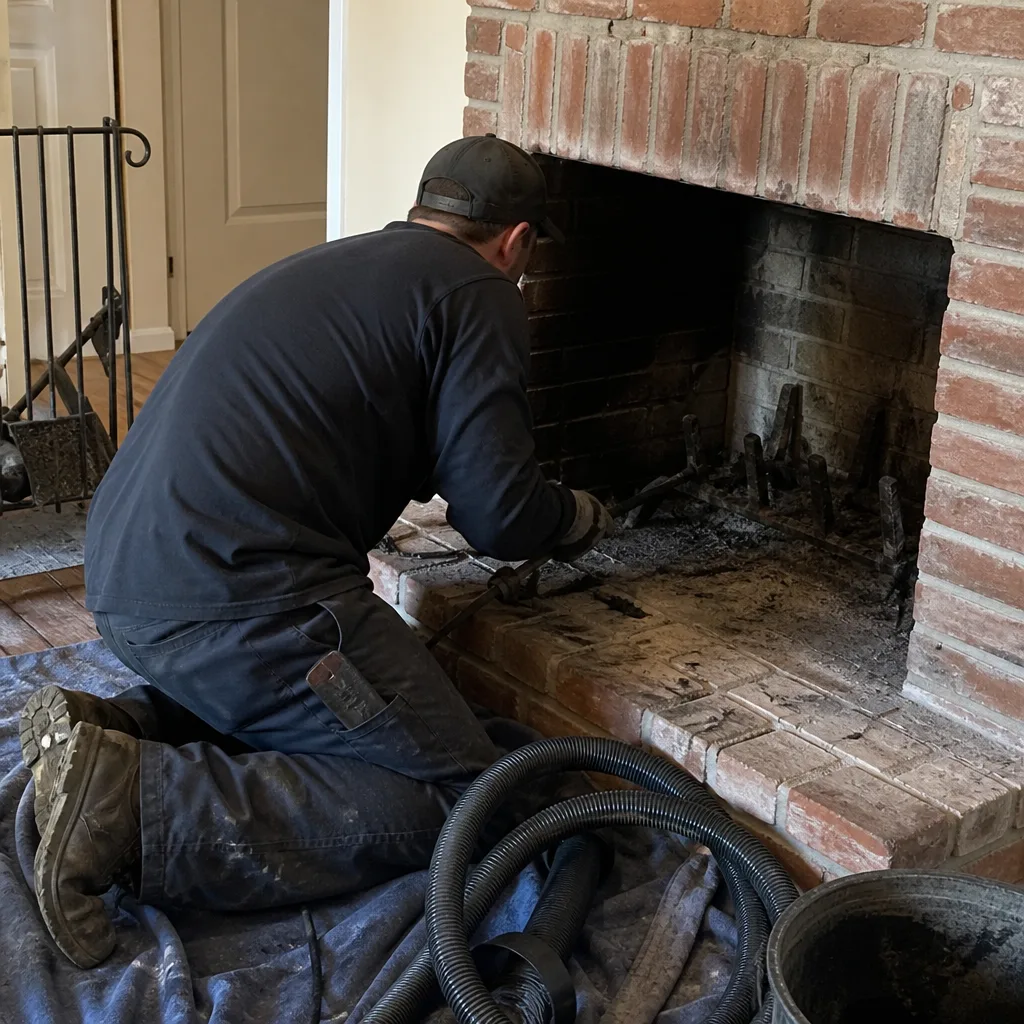 Before
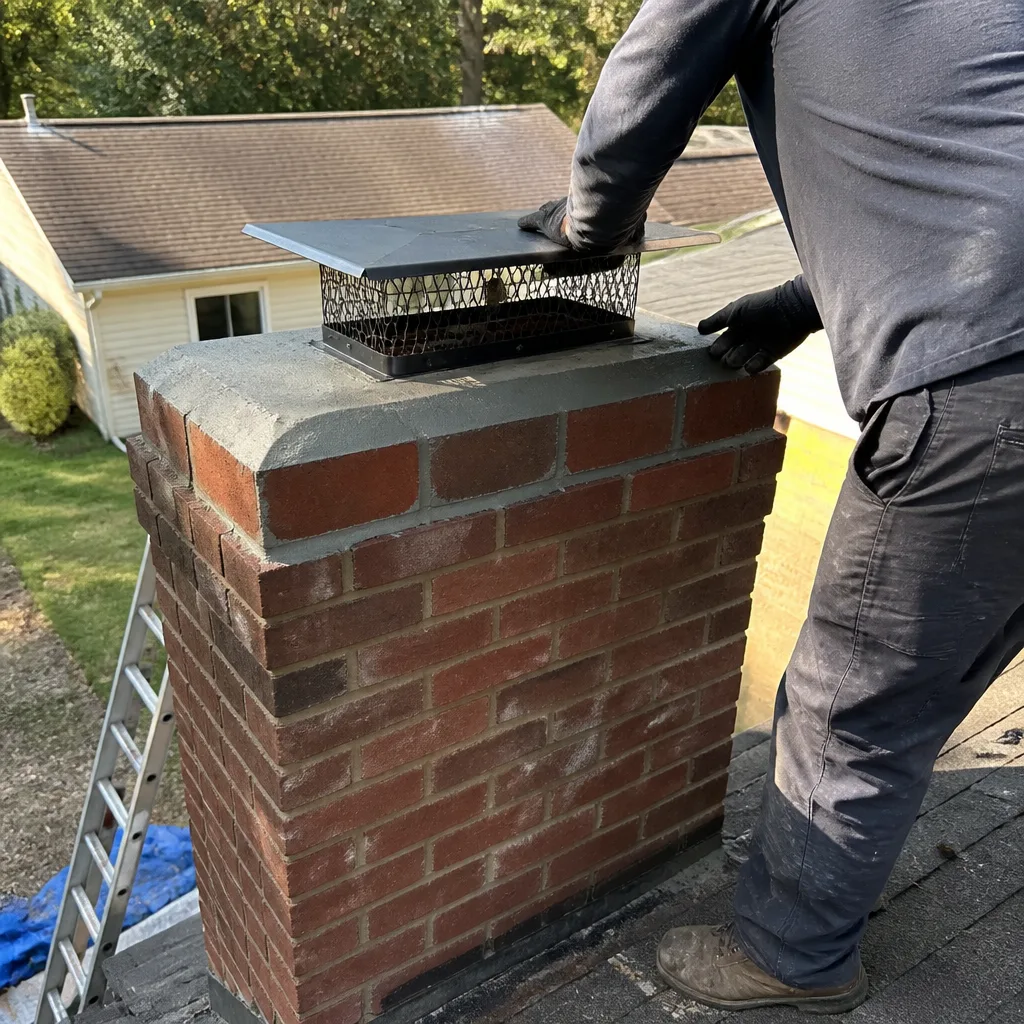 After
The Complete Guide to Chimney Cleaning in Chesapeake
Most chimney fires don’t start in January. They start in October, in chimneys that sat damp and unburned all summer. Chesapeake’s tidewater humidity means the off-season is doing damage your sweep never warned you about. We’ve pulled nests from flues in Great Bridge that were empty in March, found rusted damper assemblies in Greenbrier from six months of stagnant coastal air, and documented liner deterioration in Deep Creek homes where no fire burned from April to November. This guide maps chimney cleaning to Chesapeake’s actual conditions - not a national average written for a climate that doesn’t match ours.
Quick Answer
A professional chimney cleaning in Chesapeake typically costs between $150 and $350 for a standard wood-burning fireplace, with Level 2 camera inspections running $200 to $450 depending on roof access and flue configuration. Most Chesapeake homeowners burning wood 20 to 40 times per season need annual sweeping, while gas inserts used year-round require inspection every two years. The critical difference here is humidity: our coastal climate accelerates moisture damage during idle months, making the timing and documentation of your cleaning as important as the sweep itself.
Table of Contents
- How Chesapeake’s Humidity Damages Chimneys Differently
- What Actually Happens During a Professional Chimney Cleaning
- Level 1, 2, and 3 Inspections: Which One Do You Need?
- Why Hampton Roads Wood Species Change How We Clean
- How Often Should You Clean Your Chimney in Chesapeake?
- What a Legitimate Post-Cleaning Report Looks Like
- Chimney Cleaning Costs in Chesapeake: A Realistic Breakdown
- Common Mistakes to Avoid
- When to Call a Professional
- Frequently Asked Questions
How Chesapeake’s Humidity Damages Chimneys Differently
Chesapeake sits in the southern edge of the Mid-Atlantic tidewater, where summer relative humidity routinely pushes 80 percent and winter temperatures rarely stay below freezing for long. This combination creates a chimney environment that national cleaning guides simply don’t address.
Here’s what happens in our market that doesn’t happen in Chicago or Denver:
- Moisture-driven liner deterioration. Stainless steel and clay flue liners expand and contract with temperature swings, but in Chesapeake, the bigger stressor is condensation. Warm, humid air enters a cool flue during our long off-season (April through September), condenses on liner surfaces, and activates salts in combustion residue. We’ve documented pinhole corrosion in stainless liners after just eight idle years in Hickory homes, where the same liner would last twenty years in a drier climate.
- Accelerated masonry saturation. Our brick and mortar absorb atmospheric moisture even without rain. A chimney crown with hairline cracks - cosmetic in Phoenix - becomes a water funnel here. By October, freeze-thaw cycles may be minimal, but capillary action has already saturated the top courses. We see spalling brick in Chesapeake chimneys at roughly twice the rate reported in drier Piedmont regions of Virginia.
- Biological growth in idle flues. Damp, dark, undisturbed: a Chesapeake flue in summer is an ideal environment for mold colonies and insect nests. We’ve removed mud dauber constructions that completely blocked 8×12 flues in Western Branch, and fungal growth that had compromised the structural integrity of old mortar in South Norfolk.
- Creosote hydration and acidification. Dry creosote flakes off. Hydrated creosote adheres. In Chesapeake’s humidity, Stage 1 flaky creosote can transition to Stage 2 tar-like glaze within a single off-season, requiring mechanical removal rather than simple brushing. The acidity of this hydrated residue also accelerates metal component corrosion.
The practical implication: a cleaning schedule developed for a dry climate, or a sweep who treats Chesapeake like anywhere else, misses half the problem. We inspect for moisture damage as a standard part of every chimney cleaning in Chesapeake, because we’ve learned that the fire you didn’t build causes more damage than the ones you did.
What Actually Happens During a Professional Chimney Cleaning
A proper chimney sweep is not a vacuum-and-go operation. Here’s the sequence we follow on every residential cleaning in Chesapeake, with specific attention to our local conditions:
- Pre-work inspection and protection. We lay floor-to-ceiling protection in your living area, inspect the firebox for cracks or missing mortar, and check the damper operation before touching a brush. In Chesapeake, we also note any musty odor that might indicate hidden moisture issues.
- Flue sweeping with appropriate tools. For standard flaky creosote, we use poly or wire brushes sized to your flue diameter. For glazed creosote - common after humid summers - we deploy mechanical whips or rotary systems. The tool choice matters: the wrong brush for glazed deposits just polishes the surface.
- Smoke chamber and firebox cleaning. The smoke chamber above your damper collects the most concentrated residue. We hand-scrape this area, then HEPA-vacuum all debris. In Chesapeake homes with prefab fireplaces, we inspect the refractory panels for heat stress cracking.
- Exterior examination. We check the cap, crown, flashing, and visible masonry from ground level or roof as access permits. After Hampton Roads storms, we often find cap displacement or crown cracks that went unnoticed.
- Component function test. Damper opens fully and seats cleanly. Gas log igniters fire properly if present. Spark arrestor screens are intact.
- Documentation and consultation. Photos, written findings, plain-English verdict. More on this in the section below.
The entire process typically takes 60 to 90 minutes for a standard wood-burning fireplace. Insert fireplaces and freestanding stoves require additional time for disassembly and reassembly. We complete most jobs in a single visit, with no-hassle upfront pricing agreed before we start.
A note on safety: we do not recommend homeowner brush kits for anything beyond very basic maintenance; see our DIY vs Professional Chimney Cleaning guide for why. The risk of damaging liner sections, missing concealed damage, or improperly reassembling gas components outweighs any savings. We’ve repaired more DIY damage than we care to count.
Level 1, 2, and 3 Inspections: Which One Do You Need?
The National Fire Protection Association defines three inspection levels, and most Chesapeake homeowners don’t know which applies to their situation. Choosing wrong means paying for more than you need, or worse, missing damage that matters.
Level 1 Inspection
This is the visual examination performed during routine cleaning. We inspect readily accessible portions of the chimney exterior, interior, and connecting appliances. No specialized equipment required. Appropriate when:
- Your appliance and venting system haven’t changed
- You’re maintaining a regular cleaning schedule
- No performance problems, chimney fire, or severe weather event has occurred
Most annual cleanings in Chesapeake include a Level 1 inspection as standard.
Level 2 Inspection
This is where our chimney repair work in Chesapeake typically begins. A Level 2 includes everything in Level 1, plus examination of internal surfaces and joints with a video camera system. We document with photos you can see and a plain-English verdict you can keep.
You need Level 2 when:
- You’re buying or selling a home in Chesapeake (required by most insurers and savvy buyers)
- After any chimney fire, even minor
- After severe weather events - hurricanes, tropical storms, or significant lightning
- When you’ve changed fuel types or installed a new insert
- When a Level 1 inspection reveals potential concealed damage
- After a long idle period with known moisture issues (our standard recommendation for Chesapeake homes idle two or more years)
Our Level 2 inspections use camera systems that capture the full flue circumference in high resolution. We look for liner gaps, joint separation, mortar loss, and the telltale white efflorescence that signals moisture intrusion. In Chesapeake’s humid environment, we find actionable issues in roughly 40 percent of Level 2 inspections on homes over 25 years old.
Level 3 Inspection
This is diagnostic demolition: removing components - walls, chimney crowns, interior masonry - to access concealed areas. Required only when Level 2 indicates serious hidden hazards that cannot be evaluated otherwise. We recommend Level 3 perhaps twice annually across all our Chesapeake service calls. It’s the right tool when needed, and overkill when it’s not.
The key distinction for Chesapeake homeowners: our climate makes Level 2 the appropriate default after any significant idle period or weather event. Humidity and storms here create concealed damage at rates that justify camera inspection more readily than in drier, calmer regions.
Why Hampton Roads Wood Species Change How We Clean
Not all firewood is equal, and not all creosote responds to the same cleaning method. Chesapeake homeowners typically burn what arrives on the truck: mixed hardwoods from Virginia timber operations, occasional pine from construction or storm cleanup, and increasingly, compressed sawdust logs from retail suppliers.
Here’s how each affects your chimney:
- Mixed hardwoods (oak, hickory, maple). The standard for good reason. Burns hot, produces moderate creosote that typically stays in Stage 1 flaky form if seasoned properly. Standard poly brushing handles this effectively. The challenge in Hampton Roads: our humidity makes “seasoned” a moving target. Wood stored outside through a Chesapeake summer may absorb enough moisture to burn like green wood, producing glazed creosote despite being structurally sound.
- Pine and softwoods. Faster burning, more sparking, higher creosote volume per BTU. The old “pine ruins chimneys” warning is overstated for occasional use, but accurate for primary heating. Pine creosote is also more acidic, accelerating metal corrosion in our humid environment. When we find heavy glazed deposits in Chesapeake chimneys, pine is often a contributor.
- Construction debris and treated lumber. We see this in rental properties and after storms. Never burn pressure-treated lumber, painted wood, or engineered products. The combustion byproducts include arsenic compounds from old CCA treatment and dioxins from modern alternatives. These don’t just dirty your flue; they make the residue hazardous to handle.
- Compressed sawdust logs. Consistent burn, low moisture, predictable creosote. The tradeoff: some brands use paraffin binders that leave a waxy residue requiring different cleaning chemistry. We adjust our method when these are your primary fuel.
Our recommendation for Chesapeake: burn only well-seasoned hardwoods, store your wood under cover with side ventilation, and tell your sweep what you’ve been burning. The cleaning method that works for oak may be insufficient for pine-glazed deposits or paraffin residue.
How Often Should You Clean Your Chimney in Chesapeake?
National guidelines say “annually.” That’s directionally correct but practically incomplete for our market. Here’s our seasonal chimney cleaning care schedule for Chesapeake conditions:
| Appliance Type | Usage Pattern | Recommended Frequency | Chesapeake-Specific Note |
|---|---|---|---|
| Wood-burning fireplace, open | 20-40 fires per season | Annual sweep, ideally September-October | Humid off-season accelerates deposit hydration; pre-season timing matters more than post-season |
| Wood-burning fireplace, open | 40+ fires or primary heat | Mid-season inspection; sweep as needed | Heavy users may need January/February check for glaze buildup |
| Wood insert or stove | Regular use | Annual sweep with Level 2 inspection every 2-3 years | Inserts trap more heat in flue, altering condensation patterns |
| Gas fireplace, vented | Year-round use | Inspection every 2 years; sweep rarely needed | Chesapeake humidity still affects vent termination and valve corrosion |
| Gas fireplace, unvented | Any use | Annual inspection mandatory | Combustion byproduct safety critical; not a sweep issue but a service issue |
| Any system, idle 2+ years | None | Level 2 inspection before first fire | Moisture damage, nests, and corrosion are primary concerns, not creosote |
The Chesapeake-specific insight: timing matters as much as frequency. A March sweep after your last fire seems logical, but leaves your flue empty and vulnerable through our wettest months. We prefer September-October service, when we can address summer damage before first fire and when you’re making the mental transition to heating season.
For fireplace services in Chesapeake including gas system maintenance, our scheduling follows similar principles but with different technical focus.
What a Legitimate Post-Cleaning Report Looks Like
We’ve said it already: photos you can see, a plain-English verdict. Here’s what that means in practice, and why it protects you.
After every cleaning and inspection, you should receive:
- Condition photos. Date-stamped images of your flue interior, firebox, damper, crown, and any areas of concern. Not stock photos. Your actual chimney. We store these in our system and provide copies you can keep.
- Written findings. Specific observations, not boilerplate. “3/8-inch crack in rear firebox panel” not “firebox inspected.” “Efflorescence at 12 feet indicating moisture penetration” not “flue shows wear.”
- Plain-English verdict. What we found, what it means, what we recommend, and what can wait. We categorize as: immediate safety concern, recommended within 12 months, monitor annually, or no action needed.
- Service record. Date, technician, materials used, measurements taken. Useful for warranty claims, insurance documentation, and tracking changes over time.
- Estimate for recommended work. Itemized, with no-hassle upfront pricing. The number on the estimate is the number on the invoice.
Why this matters in Chesapeake: our humidity means conditions change faster than in drier climates. A photo from last September showing minor crown cracking, compared to this September’s photo showing progression, tells a clear story. Without documentation, you’re relying on memory against a sweep’s word. We’ve been in business 42 years because we put both in writing.
The 90-Day Done Right Promise applies to all work: if it’s not right, we make it right, backed in writing with no paperwork and no arguing. That’s the Keystone Standard - Krafted right, Every time, Your home first, Standing behind it.
Chimney Cleaning Costs in Chesapeake: A Realistic Breakdown
Price ranges without context are useless. Here’s what we actually charge and what drives variation in the Chesapeake market - and how to hire a chimney cleaning contractor you can trust.
| Service | Typical Range | What Affects Price |
|---|---|---|
| Standard sweep with Level 1 inspection | $150 – $250 | Fireplace accessibility, amount of creosote, need for basic repairs (damper adjustment, etc.) |
| Heavy creosote removal (glazed deposits) | $250 – $400 | Mechanical removal required, chemical treatment, extended labor |
| Level 2 camera inspection | $200 – $350 | Roof access difficulty, number of flues, documentation detail |
| Level 2 with sweep combined | $300 – $450 | Package pricing typically 10-15% below separate services |
| Insert or freestanding stove | $200 – $325 | Disassembly/reassembly complexity, baffle removal, gasket inspection |
| Gas fireplace service | $150 – $225 | Valve testing, burner cleaning, ignition system check, vent inspection |
Factors that increase cost legitimately:
- Steep roof pitch or limited access. Chesapeake has ranch homes with easy walks and two-story colonials requiring full fall protection. Safety equipment and time differ.
- Multiple flues. A central chimney with fireplace and furnace flues requires separate cleaning and inspection of each passage.
- Neglected systems. Ten years without service may require multiple passes, chemical treatment, or discovery of damage that changes the scope.
Red flags in pricing: quotes significantly below $150 often indicate no real inspection, no documentation, or uninsured operators. Quotes requiring full payment before work begins violate standard practice. We offer our $89 Seasonal Tune-Up as a genuine entry point, with clear explanation of what it includes and what it doesn’t.
Standing offers that apply: $50 off any repair over $250, free second opinion on any written estimate, and a permanent 5% senior and veteran discount. Call for exact pricing on your specific system - estimates are free.
Common Mistakes to Avoid
- Scheduling post-season instead of pre-season. A March sweep leaves your flue empty through Chesapeake’s wettest months. Moisture, mold, and corrosion follow. Book for September-October.
- Hiring based on coupon price alone. The $99 sweep that skips the inspection, provides no documentation, and misses a cracked liner isn’t a deal. It’s a deferred catastrophe.
- Burning unseasoned wood. “It was dry when I bought it” ignores our humidity. Wood stored outside in Chesapeake absorbs moisture fast. Cover it, ventilate it, or buy kiln-dried.
- Ignoring gas fireplaces. No creosote doesn’t mean no problems. Corroded valves, cracked logs, and blocked vents create carbon monoxide risks we find annually in Chesapeake homes.
- DIY brush kits for “maintenance.” You might clear some flakes. You’ll miss liner damage, improper clearances, and component failures. We’ve documented more DIY-created problems than DIY-prevented ones.
- Skipping inspection after storms. Hurricane season in Hampton Roads displaces caps, cracks crowns, and damages flashing. A visual walkaround isn’t enough; camera inspection reveals what you can’t see from the ground.
- Assuming “no problems” means no problems. Chimney issues often show no symptoms until they’re dangerous. Carbon monoxide doesn’t smell. Liner gaps don’t announce themselves. The inspection finds what your senses miss.
When to Call a Professional
Call when you notice any of these: smoke entering the room, a strong odor from the fireplace when not in use, visible cracks in masonry or firebox panels, a damper that sticks or won’t fully open/close, white staining on exterior brick, or any performance change after a storm. Call before first fire if your system sat idle two or more years, or if you’ve never had a documented inspection since purchasing your home.
We’re not alarmists. Some issues can wait. But the determination of “can wait” versus “needs action” requires the camera, the training, and the documentation we’ve described. Hearthstone Chimney Co. offers free estimates in Chesapeake - call (757) 590-6579. A live person answers, 24 hours a day, every day. We’ll give you a straight answer and a fair price. Done right - and we stand behind it.
Frequently Asked Questions
A standard chimney sweep with Level 1 inspection in Chesapeake typically runs $150 to $250, with Level 2 camera inspections at $200 to $350 and combined packages around $300 to $450. Heavy creosote removal, steep roof access, or multiple flues increase cost legitimately. Call (757) 590-6579 for an exact quote - estimates are free.
Not always. Liners fail from corrosion, cracking, or improper sizing, but many last decades with proper maintenance. We recommend replacement only when camera inspection shows measurable damage that affects safety or performance, and we show you the photos before proposing work. Some “liner replacement” recommendations we’ve second-opinioned were unnecessary sales pressure. Our free second opinion on any written estimate exists for exactly this situation.
Wood-burning fireplaces used 20 to 40 times per season need annual sweeping, ideally in September or October before first fire. Gas systems need inspection every two years. The critical Chesapeake factor: our humidity accelerates damage during idle months, making pre-season timing more important than in drier climates. Systems idle two or more years need Level 2 inspection before use regardless of apparent condition.
Accumulated creosote ignites at approximately 451°F - well within normal fireplace operating temperatures. A chimney fire can crack liners, damage masonry, and spread to framing through gaps or overheated mortar. Even without fire, blocked or damaged flues vent carbon monoxide into living spaces. In Chesapeake specifically, skipped seasons allow moisture-driven corrosion and biological growth that compound the fire risk. The cost of prevention is a fraction of the cost of remediation.
Cleaning removes combustible deposits and obstructions. Inspection evaluates structural condition, clearances, and component function. They’re related but distinct. A sweep without inspection is incomplete; an inspection without cleaning may be appropriate for gas systems or recently serviced wood systems. We typically combine both for wood-burning fireplaces.
We don’t recommend it for most homeowners. Brush kits clear surface deposits but miss concealed damage, liner gaps, and component failures. The risk of improper reassembly - especially with gas systems - outweighs modest savings. For genuinely dangerous components like high flues and steep roofs, professional equipment and training matter more. We’ve repaired enough DIY damage to be certain: a square deal from a qualified sweep costs less in the long run.
The Bottom Line
Chesapeake’s coastal humidity changes everything about chimney maintenance that national guides assume. Moisture-driven liner deterioration, accelerated masonry saturation, and hydrated creosote create failure modes invisible to standard approaches. The right cleaning schedule, the right inspection level, the right documentation, and the right timing for our climate - these separate prevention from emergency. Explore more guides & resources for Chesapeake homeowners. We’ve been serving this region for over 42 years because we treat every chimney as the specific system it is, in the specific conditions it faces. Photos you can see. A plain-English verdict. A price that doesn’t change. And the 90-Day Done Right Promise, in writing, no arguing.
Written by Russell Haines, Owner at Hearthstone Chimney Co., serving Chesapeake since 2014.